An in-flight service revolution aboard first 20-hour, non-stop flight – spicy food, bright lights for first six hours to combat jet lag
- Those on board will eat, drink, sleep, and move about the cabin according to a preset schedule. Pilots will wear brain-monitoring equipment to assess alertness
- Passengers boarding in New York will immediately switch to Sydney time, and be discouraged from sleeping until they are six hours into the journey
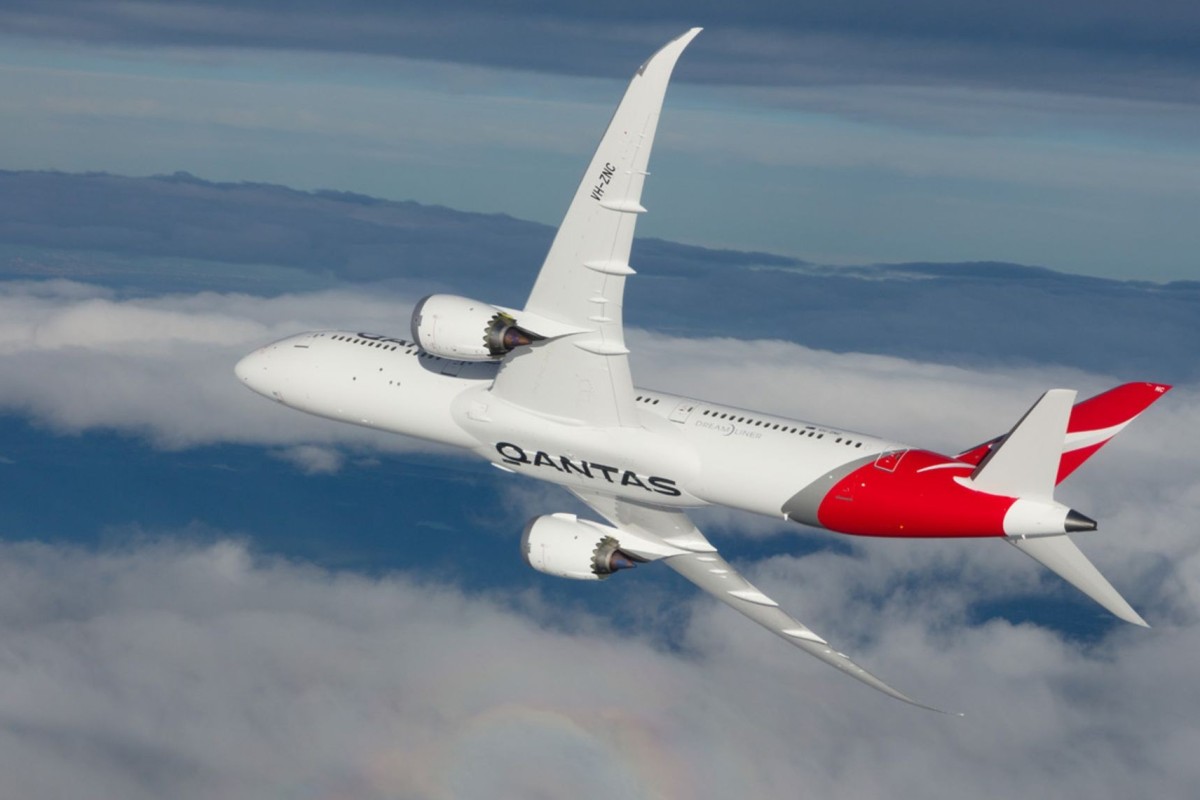
Qantas Airways will ditch the traditional in-flight service routine for this weekend’s marathon non-stop trip from New York to Sydney.
“The passenger research will test alternatives to how airlines have managed in-flight service for decades,” Qantas CEO Alan Joyce said. The industry’s traditional schedule may not be the best way to switch the body clock to the destination’s time zone, he said.
Qantas’ Boeing 787 Dreamliner will carry only about 50 passengers and crew to give the plane the range to reach Sydney on Sunday without stopping. Here are some key features of research that will be carried out on board.
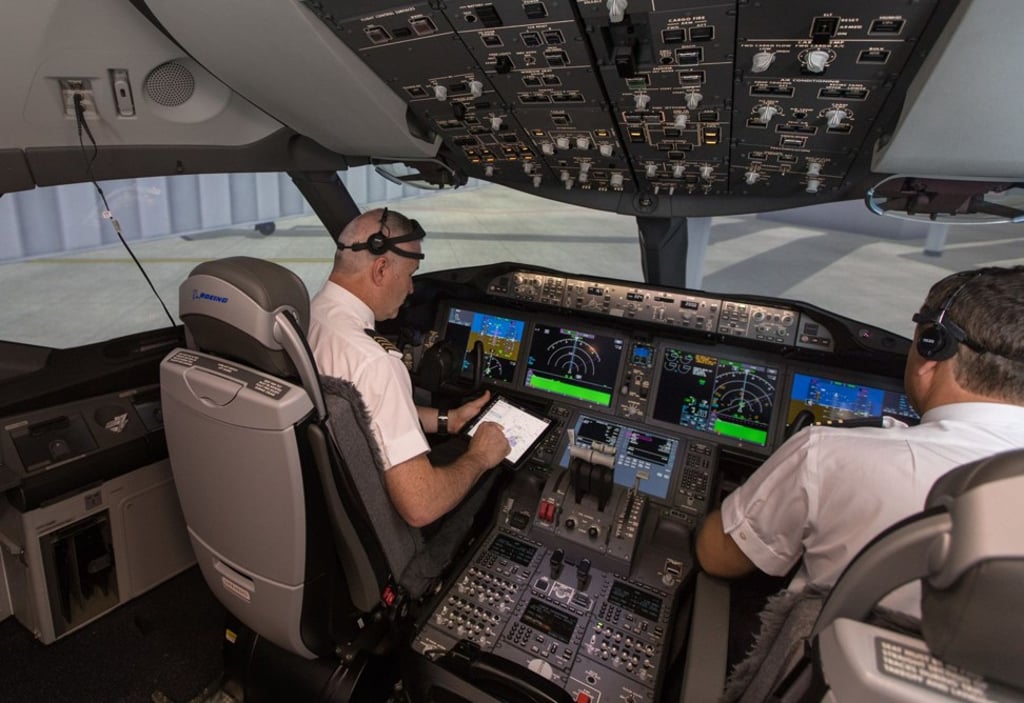
Six Qantas frequent fliers will follow a pre-planned schedule for eating, drinking, sleeping and moving. They’ll keep a daily log before and during the flight, as well as for two weeks afterwards to gauge how they feel. Pilots will wear brain-monitoring equipment to assess their alertness and will provide urine samples to track melatonin levels (a natural sleep-inducing chemical).