The hostel in Indian holy city where Hindus go to die – you have to be on the brink of death to get a room
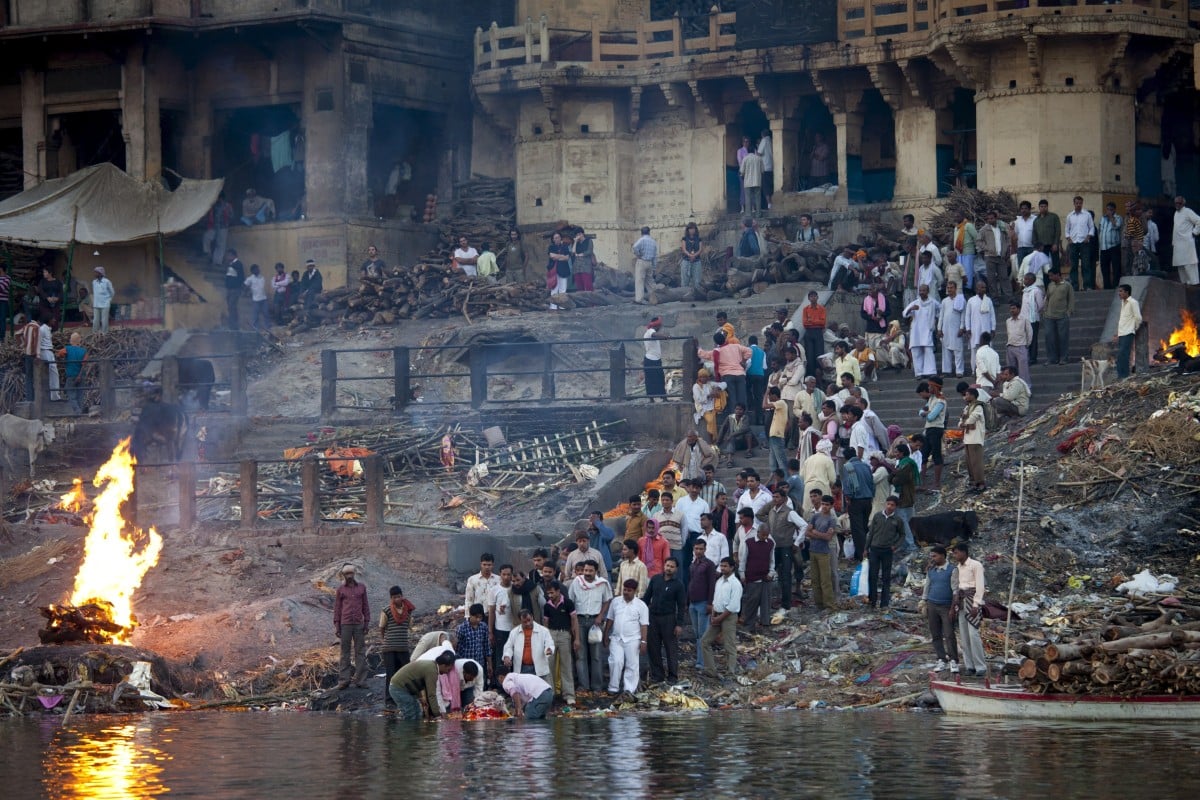
- Thousands of Hindus go to the holy city of Kashi each year to die, believing that dying there breaks the cycle of birth, death and rebirth
- Hostels such as Mukti Bhawan, run by a charitable trust, provide short-stay accommodation for guests at death’s door
Parvati Devi has travelled to Kashi to die. Lying supine on a wooden bed, she looks frail, her bones jutting out of her face. Her sunken eyes are open and move about the room.
The 85-year-old is waiting for the end in a short-stay hostel specifically reserved for the dying, and her son, Sudir Singh, is crouching nearby, cooking food on a portable stove.
“My mother is not suffering from any disease, just old age. It was her wish to die in Kashi,” says Singh, 45, a lawyer who has travelled from Kapuri, a small village in the Indian state of Madhya Pradesh, 650km (400 miles) away. Singh says his mother can still speak but she isn’t aware what is said to her.
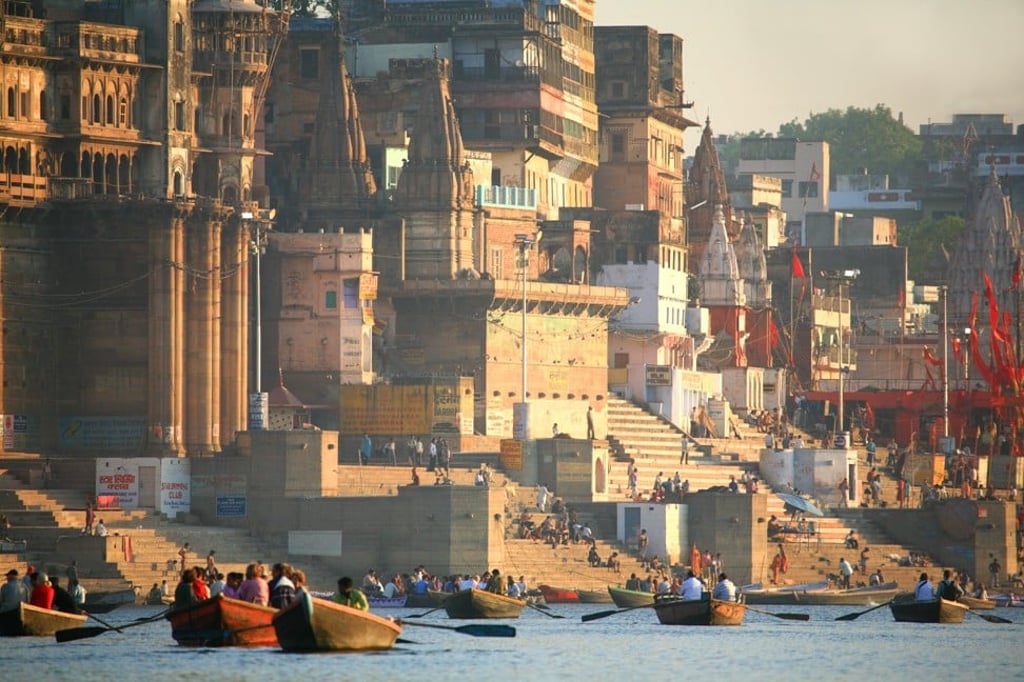
It was on the outskirts of Kashi, at Sarnath, that the Buddha preached his first sermon in the sixth century BC. It was in Kashi that the poet Goswami Tulsidas penned his epic the Ramcharitmanas in the 16th century. Now considered to be one of the greatest works of Hindu literature, it brought the Ramayana – one of the two major Sanskrit epics of ancient India, along with the Mahabharata – to the masses.
Dotted with hundreds of temples, the crowded old town occupies a 5km stretch along the western bank of the Ganges. The river’s famous ghats, embankments made in stepped stone slabs, lead down to the river.