How Siquijor went from haunted, corrupt Philippine island to ‘healing paradise’ destination
- With its white sands, hidden waterfalls and caves, Siquijor is enjoying a tourist boom, but it hasn’t always been popular
- Corruption and tales of witchcraft kept visitors away for decades, but a new governor in 2013 fixed the roads, attracted investors, and now tourists are coming

The glow of fireflies, flitting through molave trees at night, led its 16th century Spanish conquerors to call Siquijor the Isla del Fuego, or Island of Fire. For the longest time, myths of witches and supernatural creatures kept people away, but today its white beaches, caves and hidden waterfalls make the small island one of the Philippines’ must-visit provinces.
On any given day, some 300 visitors make the careful walk down 135 steep, slippery stone steps from Siquijor Circumferential Road to Cambugahay Falls’ three-tiered waterfall and swimming hole. During peak season weekends, the number doubles.
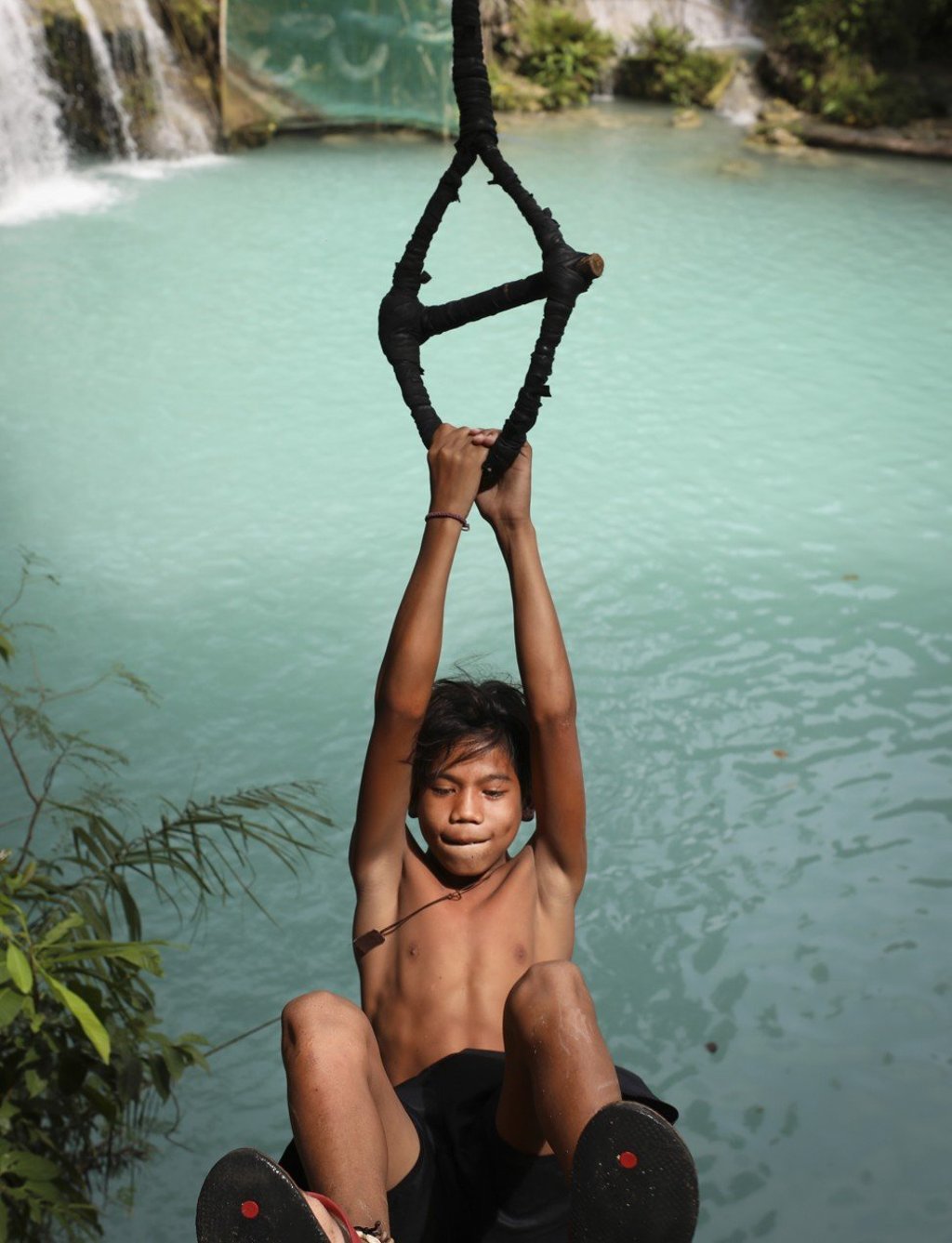
“It’s popular because there are three levels for tourists to choose from, plus a rope set up where they can do a Tarzan swing before diving into the water,” says local guide Ricky Sacabalingon. “It’s also much easier to get to than the other falls on the island.”
Siquijor has been enjoying a tourism boom in the past few years. Visitor arrivals to the province increased nearly eightfold, from 112,658 in 2010 to 862,032 in 2018. Just under half of them are international visitors.
Acting provincial tourism officer Clebern Paglinawan credits this boom to local leadership. “For 25 years, we had a corrupt governor. During that time, tourism here was non-existent. But after [incumbent] Governor Zaldy Villa got elected in 2013, within two years we suddenly had a lot of visitors coming.”