Wet markets selling wildlife – birds, monkeys, bats and more – go quiet in Indonesia amid coronavirus pandemic
- Across Indonesia, markets selling all manner of wildlife usually draw crowds of tourists and locals, but footfall has plunged as coronavirus infections rise
- Authorities have taken steps to curb the wild animal trade, and an activist says social distancing and fear of eating bush meat may be keeping customers away
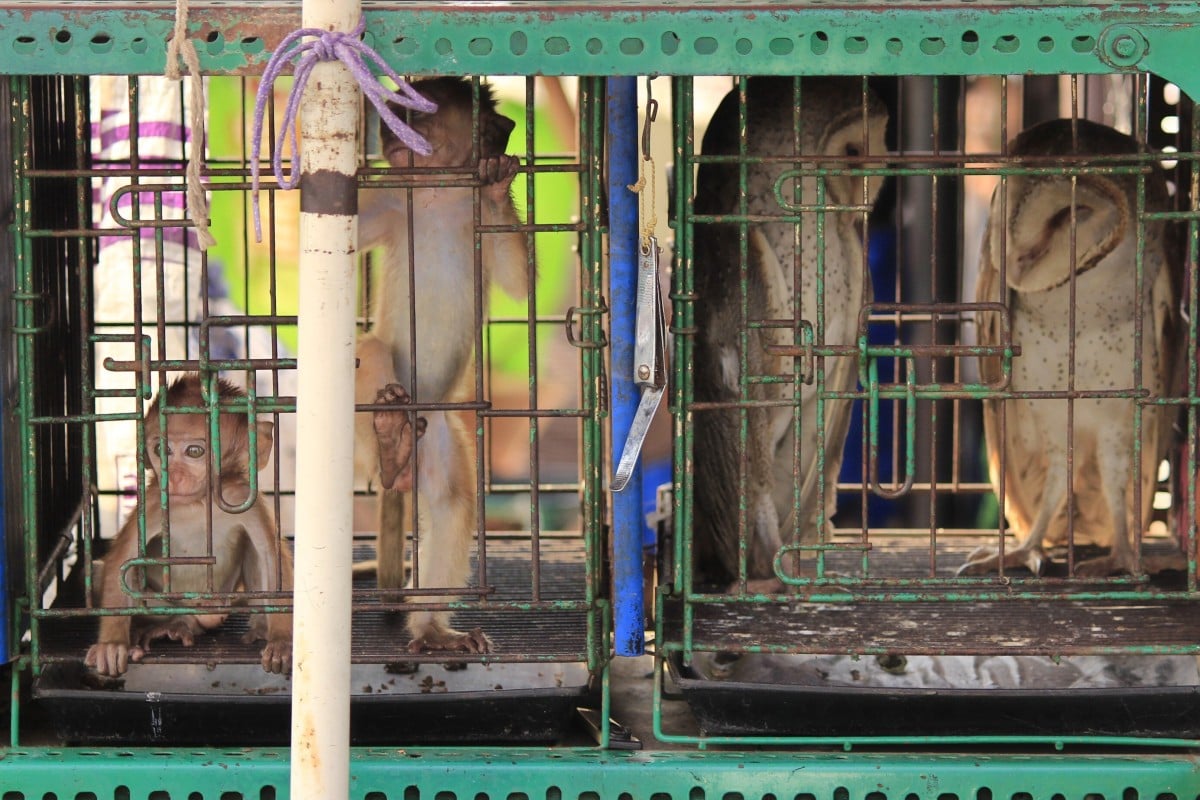
Once popular tourist destinations, wild animal markets in Indonesia have seen visitors staying away thanks to the coronavirus pandemic that has shone a spotlight on the trade and consumption of wildlife.
Organisations such as Change for Animal Foundation, Flight, Jakarta Animal Aid Network, and Animals Asia have urged the Indonesian government to ban all commercial trade in wildlife for human consumption – particularly birds and mammals – and to shut down all the markets to reduce the possibility of diseases being transmitted from animals to humans.
Their demands have not been met, but measures to reduce the spread of outbreaks and to slow the trade in wild animals have been rolled out.
Bali’s Satria Market, in the southern town of Denpasar, sells everything from bats and monkeys to exotic birds, snakes and fish. The market, which used to heave with domestic and foreign tourists on weekends, was deserted on a recent Saturday morning.
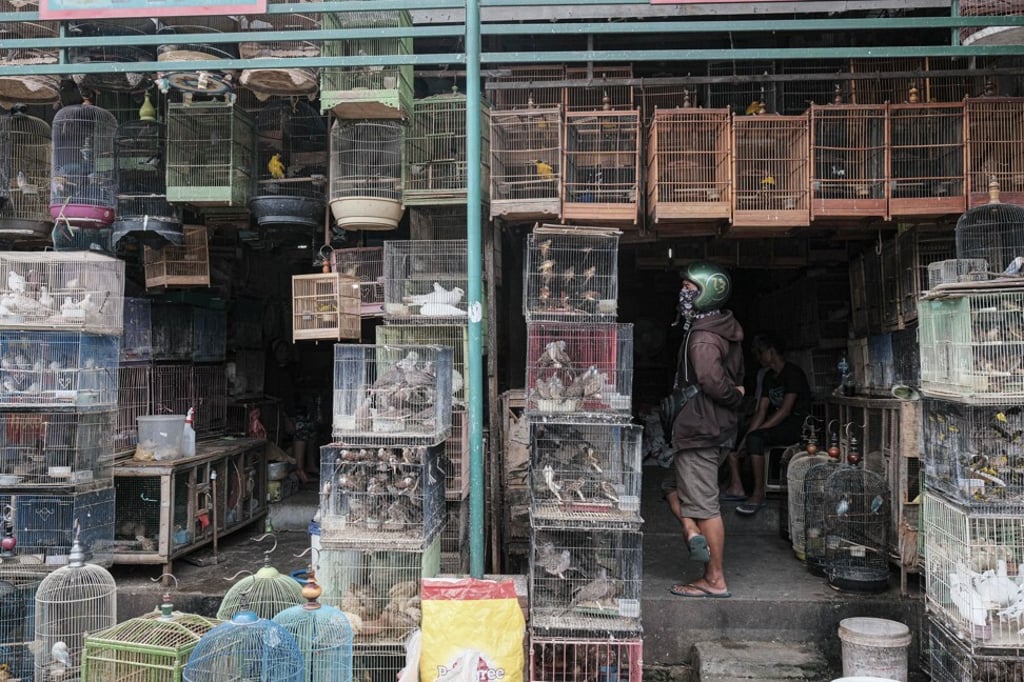
The market, which occupies a site of about half a hectare, has long been a target of critics for its large number of traders – encouraged by the fact that the local government promotes it as a visitor attraction.
Now, only a few traders are turning up, cleaning cages crammed into narrow, semi-open shops, with dark, dank interiors. A few scattered visitors wearing masks browse the stalls.