Lonely Planet story: how travel guide ruled before Tripadvisor and what’s next for founders
- Lonely Planet has sold more than 145 million travel guidebooks but its fortunes turned in recent years with competition from websites like Tripadvisor
- Co-founder Tony Wheeler reflects on the guide’s legacy and details his future plans, including writing more books and philanthropic projects
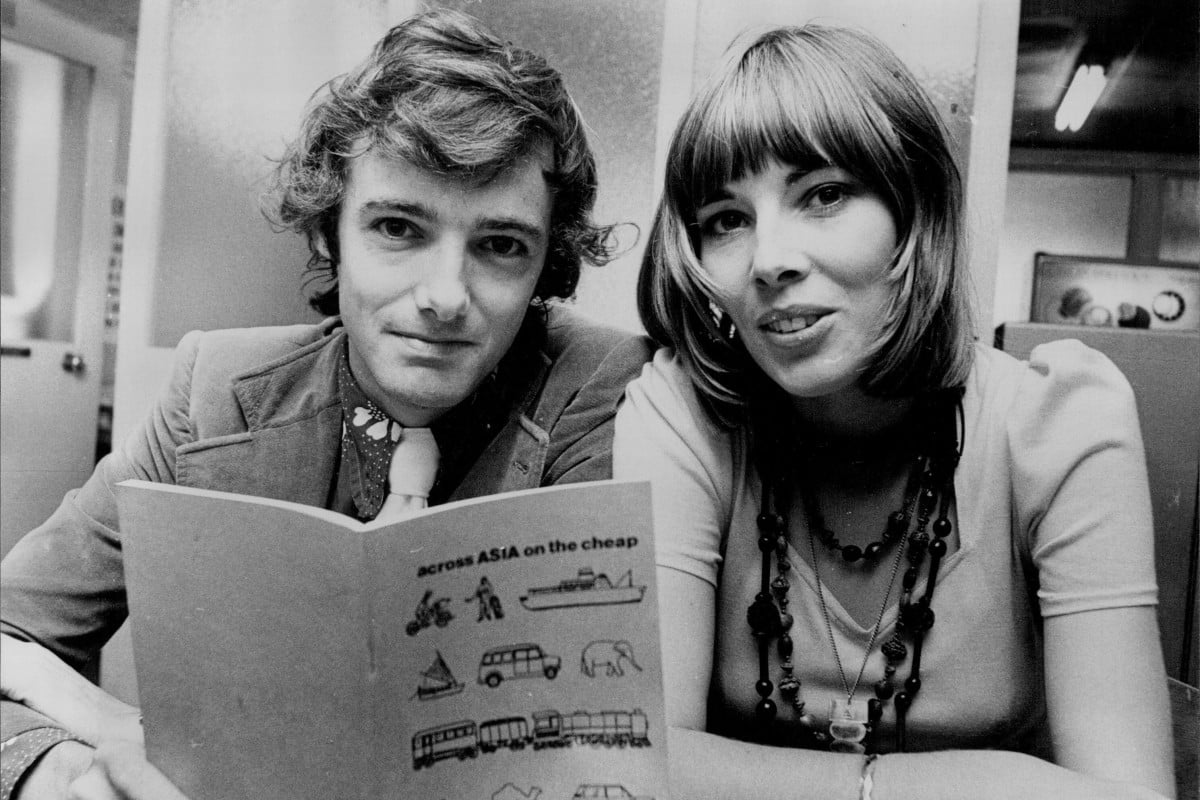
Three years ago, Tony Wheeler was asked what might eventually happen to Lonely Planet, the multimillion-dollar guidebook company he founded on a shoestring with his wife, Maureen, in 1973.
Wheeler mused that given China’s new-found thirst for travel, Lonely Planet could easily end up in the hands of a Chinese buyer.
How times change. Three years later, what was once the world’s most successful travel publisher – which had already been facing stiff competition from Tripadvisor and similar websites – is reeling from the ruinous effects of the coronavirus crisis that has swept the world.
The BBC bought the Wheelers out for £130 million (then US$260 million) in 2007, before selling Lonely Planet in 2013 at a massive loss to reclusive US tobacco billionaire Brad Kelley’s NC2 Media for £51.5 million.
But having drafted in a new CEO in February this year – Luis Cabrera, who declared his intention to “elevate the brand as an omnichannel travel platform” – NC2 announced on April 9 that it would close Lonely Planet’s offices in Melbourne and London and axe its magazine, although it aims to continue publishing guides and phrase books.
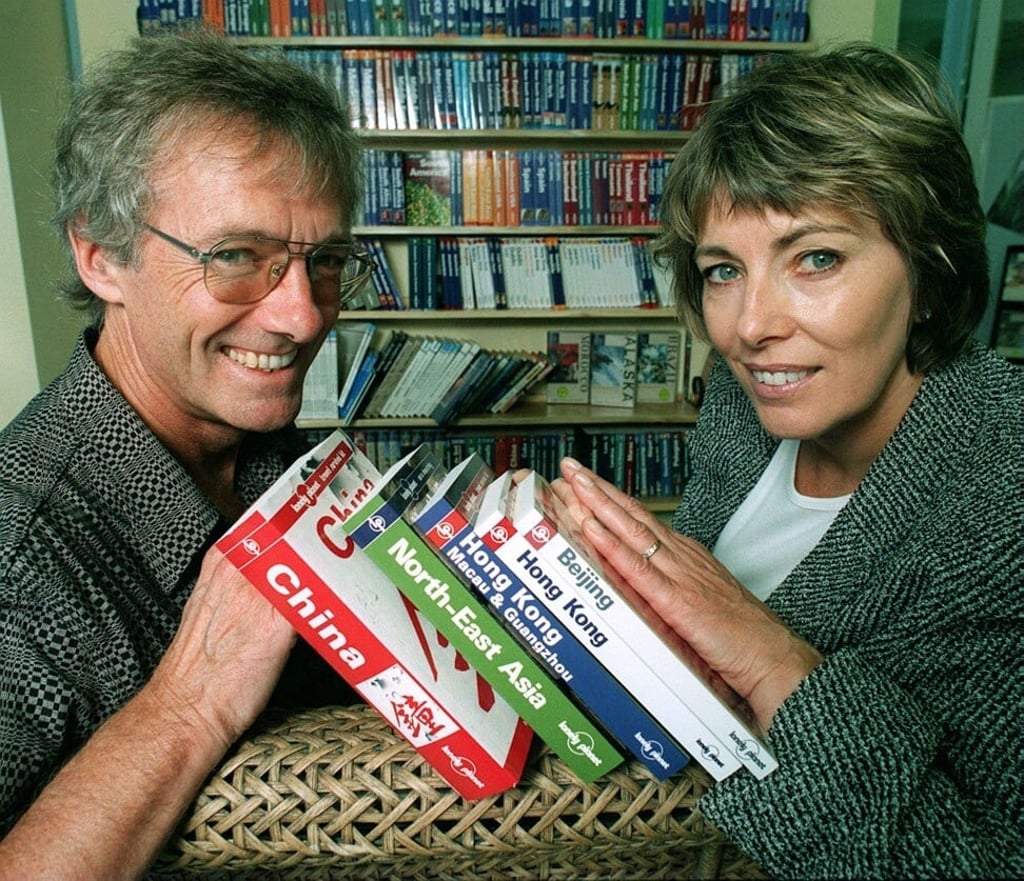
For the couple who’d given birth to Lonely Planet, and seen it grow from a pamphlet hand-stapled at the kitchen table to become the world’s largest independent guidebook publisher, the news of its partial collapse came as a massive shock.