Impala steaks, anyone? African game reserve sells bush meat to survive lack of safari tourists during pandemic
- The Somkhanda reserve in South Africa usually gives away meat from the impala and nyala antelopes it culls. Not this year, with no tourists able to visit
- African countries have lost almost US$55 billion in travel and tourism revenues in just three months because of travel restrictions to curb Covid-19

South Africa’s luxury game lodges are empty and safari vehicles gather dust, with borders closed and airlines struggling due to the coronavirus crisis.
For Somkhanda, a community-owned game reserve, selling game meat has thrown it a lifeline as Africa’s multibillion-dollar safari industry unravels.
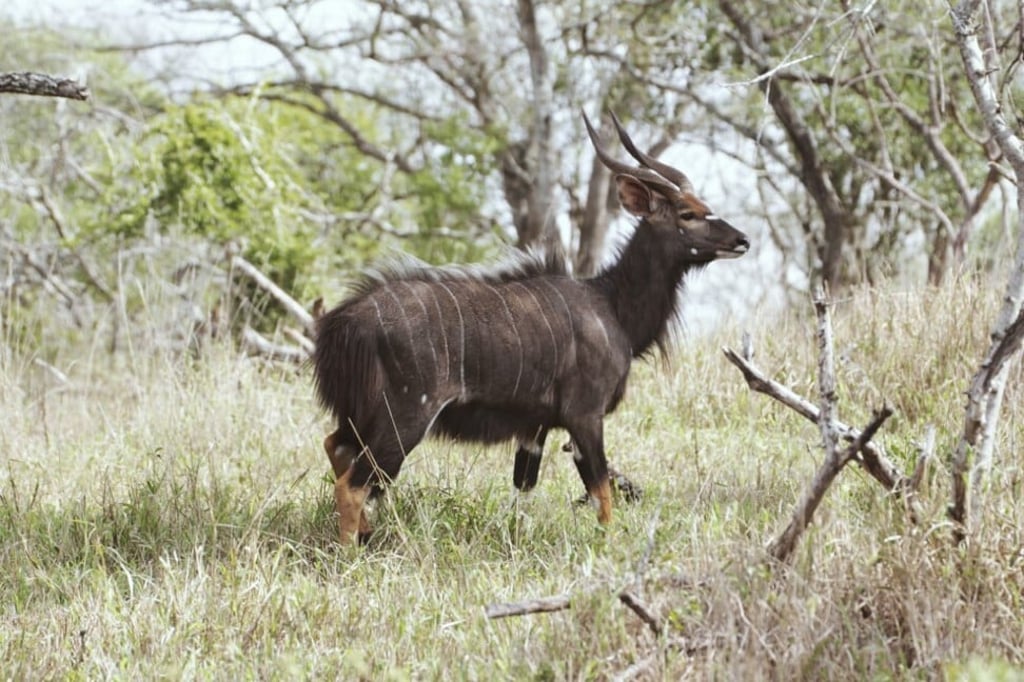
The reserve normally gives away or sells at low cost the meat from grazers such as impala and nyala, a spiral-horned antelope, that it culls each year to manage stocks, depending on the weather and available grassland.
Now, faced with a loss of up to 90 per cent of its revenue, it is more actively marketing the meat – often seen as a delicacy and bought by restaurants and foreign tourists – to bring in 50,000 rand (US$2,900) to 100,000 rand per month, according to the reserve’s management.
“The tourism industry has collapsed. There has been no one coming to visit,” said Roelie Kloppers, chief executive at the Wildlands, which co-manages the reserve in the heart of northern Zululand. “Instead of culling and just giving that meat away [ …] we tried to market it,” said Kloppers, adding: “We would rather have the doors open.”
Before the pandemic, local and international tourists would watch lions and wild dogs – as well as the impala and nyala – on guided bush walks and game drives on the 12,000-hectare reserve.