Thousands of ancient tombs uncovered on construction sites in Xian, home of the terracotta army
- Archaeologists work overtime through the Lunar New Year holiday digging up relics to avoid causing delays to airport and subway extensions
- Xian was China’s capital city for 1,100 years, and every major excavation unearths archaeologically valuable relics spanning thousands of years

Thousands of archaeologically significant finds have been discovered at two construction sites in Xian, one of China’s oldest cities and home to the terracotta army, forcing archeologists to skip holidays and work overtime.
More than 1,000 archaeologists and assistants have been working nonstop to dig up cultural relics in Xian over the Lunar New Year holiday to avoid delaying the construction projects. Xian, the capital of Shaanxi province in northwestern China, is where the world-famous terracotta army of life-size soldier sculptures, part of the mausoleum of the first emperor of China, was discovered in the 1970s.
The new archaeological discoveries were found on sites earmarked for a 76-hectare (189-acre) airport expansion and a 50-kilometre (31-mile) subway line, according to the cultural heritage bureau of Shaanxi.
More than 4,600 finds of archaeological significance, including 3,500 tombs, have been identified since workers started building the new terminal and supporting facilities at Xianyang International Airport in July, the bureau said on Weibo, China’s Twitter, this week.
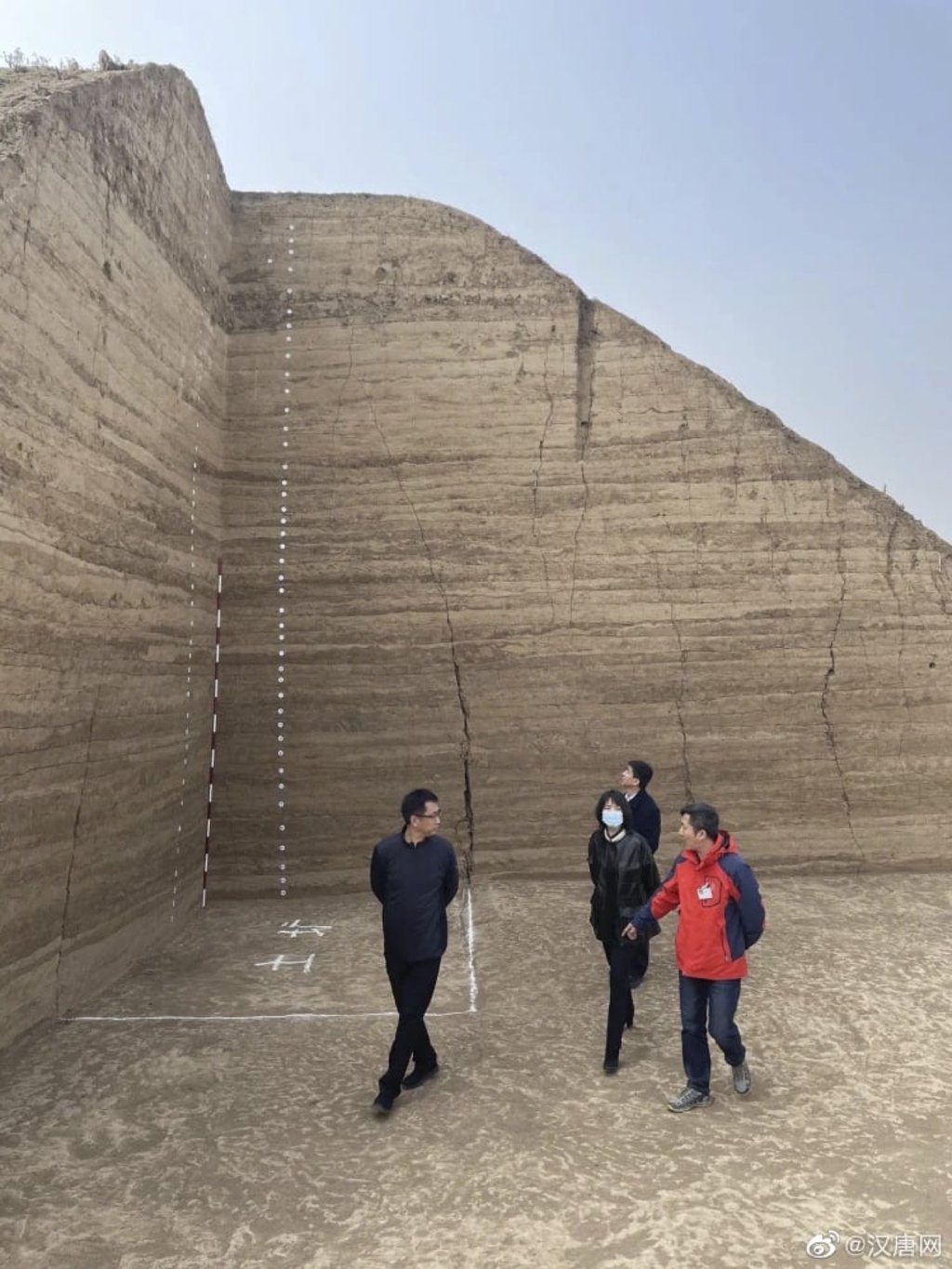
“The number and scale of the relics is huge and the workload of archaeological excavation is enormous,” the bureau added.
Meanwhile, more than 1,300 tombs and four ancient kilns have been found since excavation for the subway began in April, according to another bureau post. The planned subway is to run through a district densely populated with tombs dating back to the Sui and Tang dynasties (581- 907).