How the internet changed travel: remember poste restante, postcards and pay phones?
- BBC-Netflix thriller The Serpent serves up drama, suspense and a fascinating snapshot of Asia before mass tourism
- Going online has transformed tourism, from telecommunications to ticketing platforms, translation apps and online maps

Retro clothes and cars, chain-smoking characters and a serial killer; gripping BBC/Netflix thriller The Serpent serves up drama, suspense and a fascinating snapshot of Asia before mass tourism. That was a time when corruption was rife, borders were porous and you went to the Post and Telegraph Office to make an international phone call. And while you were there, you could rummage through a huge pile of envelopes to see if you had any mail from home.
The internet has been a game changer for travel. From telecommunications to ticketing platforms, translation apps and online maps, today’s globetrotters have so much information at their fingertips, it would make a hippie’s head spin. But in a nod to nostalgia, let’s look back at 10 elements of travel rendered obsolete by the modern age.
Poste restante
Before social media and video calls, tie-dyed travellers mainly relied on the poste restante for news from home. The service, which is still provided free by post offices, allowed mail to be held until it was collected. And it wasn’t used solely for receiving gossip from friends and family. If you had spent time with a cool crowd in India and wanted to meet up again in Nepal a month or two later, an aerogramme (remember those?) sent to “Poste Restante Kathmandu” containing an estimated arrival date served as the hippie version of a WhatsApp message.
Cameras
Few aspects of the travel experience have transformed as much as photography. Film is long gone, of course, but labs quickly adapted to the advent of digital photography and were soon offering to burn your latest snaps onto a CD. More recently, it’s cameras themselves that are in danger of disappearing. Today’s smartphone cameras have closed the gap and sometimes surpass their predecessors in terms of quality while photo-editing apps iron out blemishes and enhance images, adding a wow factor to even the most unremarkable efforts.
Postcards
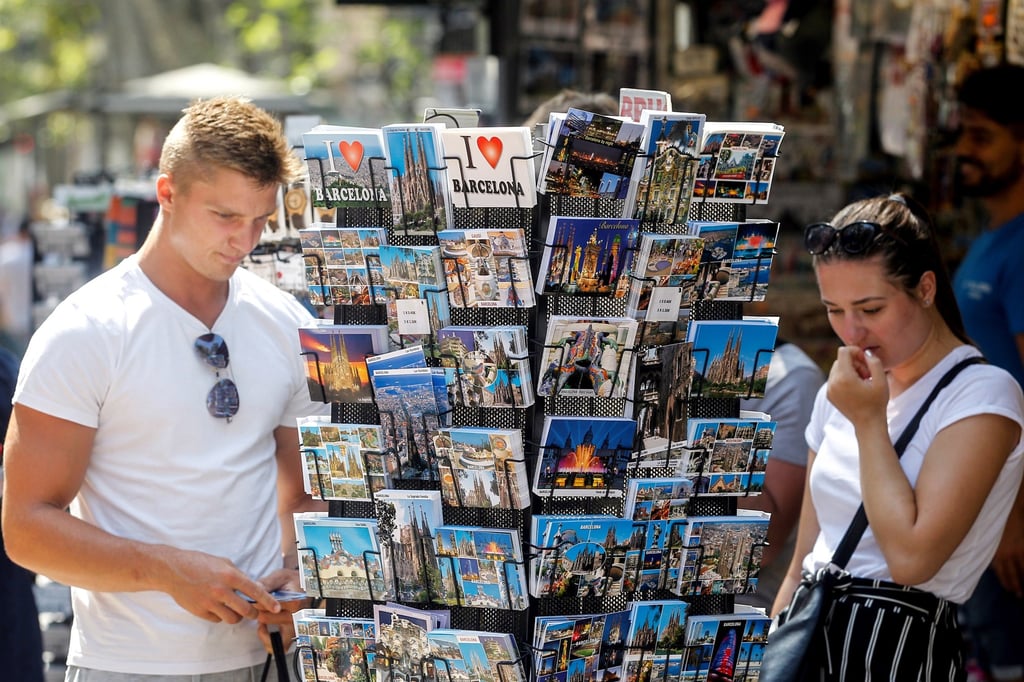
Another victim of the smartphone revolution is the postcard. You’ll still find carousels gathering dust at the back of souvenir shops but collectors aside, not many of us can be bothered to buy them, source the stamps and sit still long enough to write “Wish you were here”. Especially as we can send a series of phone snaps in a matter of seconds.
Learning the lingo
During a taxi ride in Minsk a few years ago my driver gabbled something to me in Belarusian. I was about to smile and shrug my shoulders in time-honoured monolinguist tradition when his dashboard-mounted phone barked out, “Do you think Manchester United will win the Premier League this season?” For the next 20 minutes our conversation veered from football to families, politics to pop music, with neither of us ever uttering a word in the other’s language.
Back in the day, travellers would memorise a few stock sentences from a language cassette tape or buy a phrase book before setting off. Some serious linguists would even sign up for an intensive language course. Nowadays, thanks to translation software, it’s easier than ever to converse with a Kazakh herder or a Zambian witch doctor – should you feel the need.
Internet cafes
The rise and fall of internet cafes highlights just how rapidly cutting-edge concepts can become outdated. In the late 1990s, they heralded the demise of the aforementioned post restante system, enabling global nomads to send emails around the world at warp speed. But in what seems like the blink of an eye, they have been outmanoeuvred by smartphones and ubiquitous Wi-fi.