Singapore’s Gardens by the Bay, a New York rooftop farm, Milan’s vertical forests: 7 urban green initiatives around the world – but are they all worthwhile?
- Urban eco-initiatives shouldn’t just look pretty, they should also fulfil other goals such as lowering temperatures, improving well-being and raising awareness
- ‘Why make trees from concrete when you can have real ones?’ asks one expert about Singapore’s award-winning Gardens by the Bay project

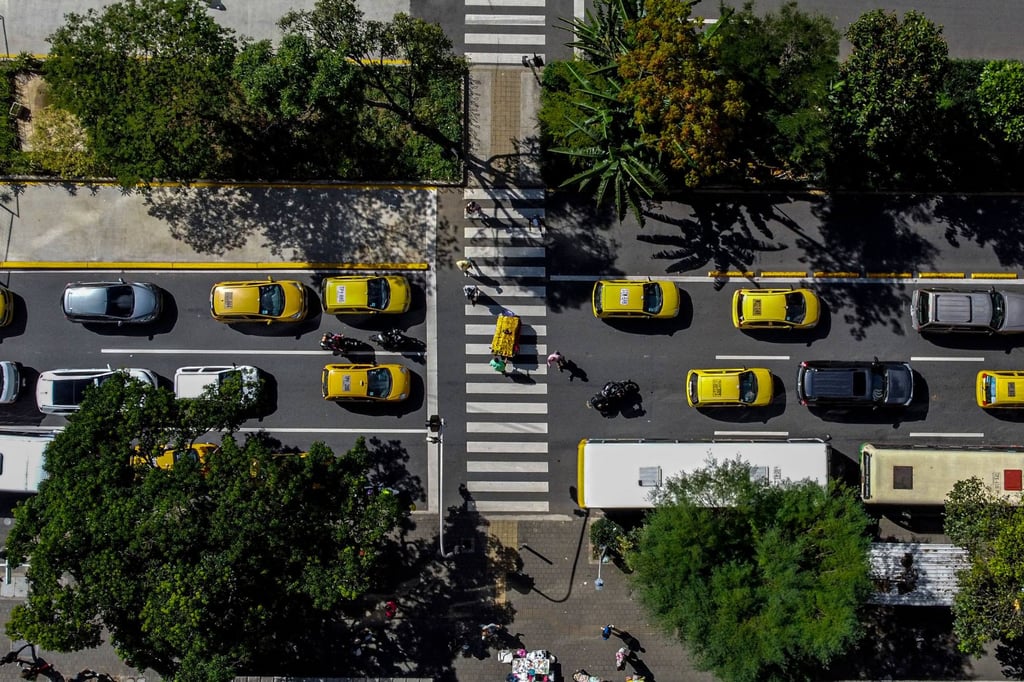
From lettuces farmed on New York’s skyline to thick corridors of trees occupying once desolate Colombian roadsides, green initiatives are running wild in cities around the world.
Planting schemes on walls and roofs can reduce the temperature in so-called street canyons – flanked by high-rise buildings on either side – by 3.6 to 11.3 degrees Celsius at the hottest time of day during the warmest month, according to research conducted by the French Agency for Ecological Transition in nine cities.
Green spaces have also been shown to improve health and well-being, including by reducing stress, anxiety and depression, improving attention and focus, enabling better physical health, and managing post-traumatic stress disorder, says Stephanie Merchant of Bath University’s department for health. “However, it’s about where they are created in relation to the needs of the local communities,” she adds.
But are all urban replanting projects worthwhile?
For a scheme to be seen as “virtuous”, it must fulfil as many functions as possible, according to economist and urban planner Jean Haentjens, who co-authored the book Eco-urbanisme (“Eco-Urbanism”).