These European cities want a better class of tourist after the coronavirus pandemic – less of the party crowd, more museum visitors and culture consumers
- For the benefit of residents, cities in Europe want to neutralise the ‘negative effects’ of rowdy visitors by attracting those seen as more culturally refined
- Amsterdam wants fewer red-light-district visitors, Barcelona wants people interested in more than its beaches, Venice wants businesses ‘different from tourism’

On a warm Friday night in July, the sun seemed to linger behind Amsterdam’s low, 16th century skyline. In the red light district, the crush of tourists that was common before the pandemic had long since vanished, making it easy for a delivery worker to cycle past a handful of gawkers around the old town’s notorious storefronts.
Centuries before its more lurid attractions took hold, Amsterdam was already a tourist draw. As far back as 1345, when a communion wafer at a local church apparently proved indestructible, pilgrims flocked to see the miracle host.
In modern times, decidedly less spiritual activities have drawn millions to the city’s quaint, canal-lined quarters. And the noise, garbage and violence followed.
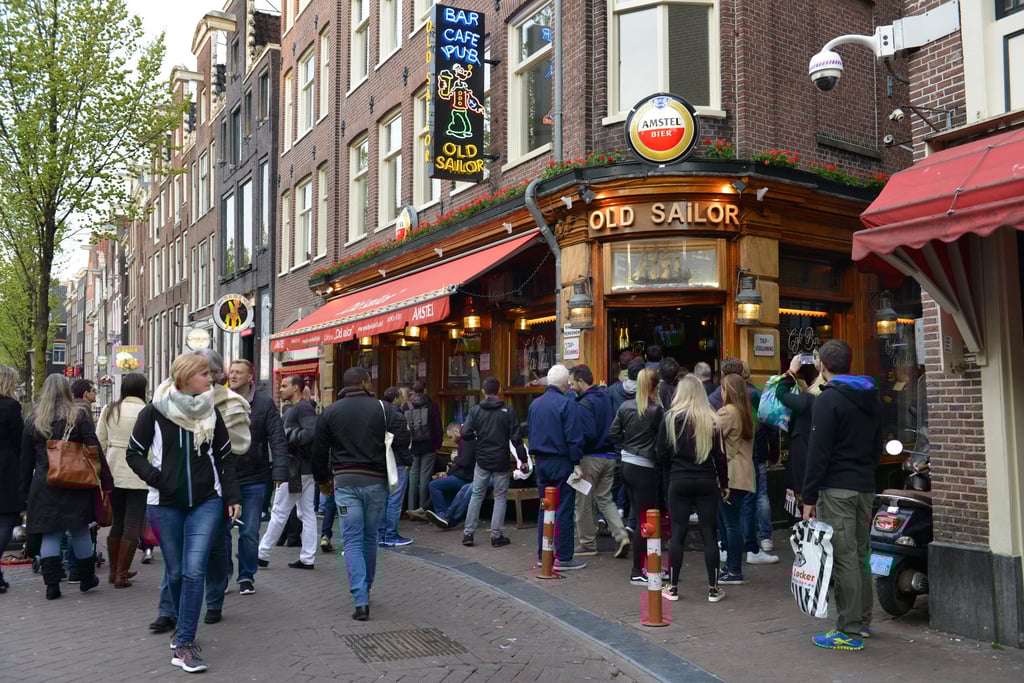
Then, it all stopped. For months, tourists where nowhere to be found as borders were sealed tight. Later, as infection waves receded, only a trickle returned. Overall, Amsterdam’s commercial establishments have seen almost 25 per cent fewer visitors since Covid-19 first arrived.