What’s next for Berlin? Digital industries, modern urban districts and new architecture can help city find a new identity
- Berlin used to be an adventure playground with crumbling charm and amazingly cheap rents, but contemporary housing and infrastructure is now taking its place
- Software and tech are the fastest growing markets, while historic places like the rebuilt former Hohenzollern palace are more dignified and sedate

Berlin has a new cultural centre (the Humboldt Forum) and airport (Berlin Brandenburg Airport Willy Brandt) and even major corporations. But the city is no longer growing, while tourism and the club scene have been at rock bottom since the pandemic. What’s next for Berlin?
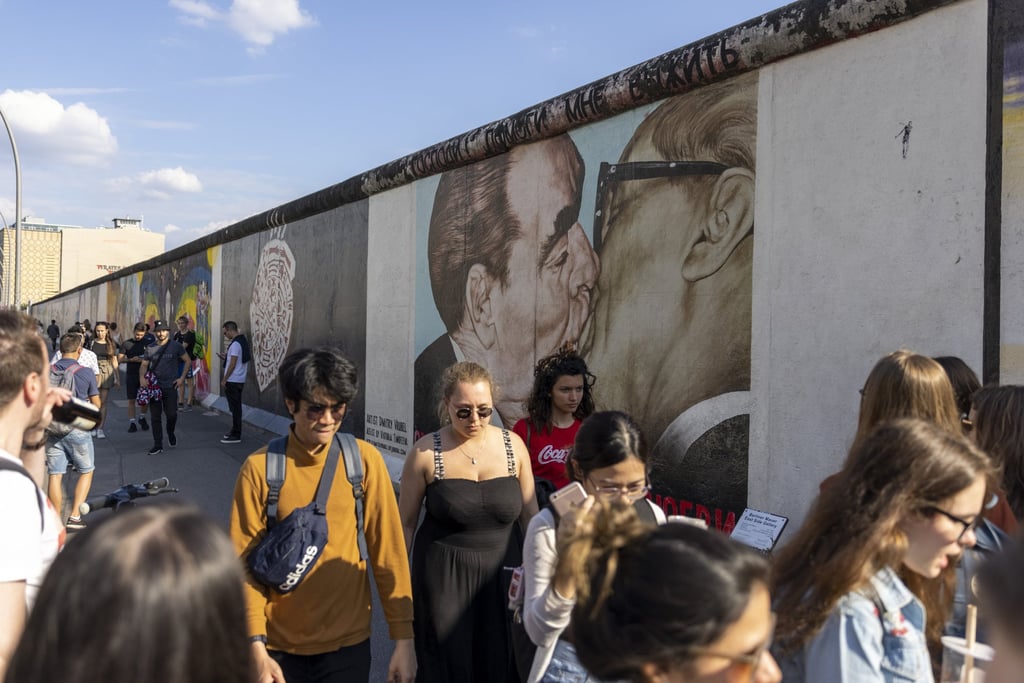
The German capital needs a new story. Something that attracts visitors. Sure, tourists are interested in the Wall, which once separated democratic West from communist East Berlin, and the city’s turbulent history. But Berlin used to be an adventure playground with crumbling charm and amazingly cheap rents.
The old buildings have been renovated and instead of coal-fired heating and a toilet in the stairwell, there are now elegant fitted kitchens and designer bathrooms. When people view apartments, they now have to line up all the way down the street.
In the run-up to the elections to the Berlin state parliament on September 26, many people in the capital are asking themselves what the future holds for the city. What comes after “poor but sexy”?
If you ask entrepreneur Ansgar Oberholz what the next big thing should be, he says: housing and urban development. “Berlin became what it is was due to the cheap rents and open spaces of the past.”