Climate change is melting glaciers from Indonesia to Africa to the Alps, hitting tourism, power supplies and ecosystems
- Climate change is depleting ice masses formed over millennia, risking water and power shortages and threatening livelihoods
- The disappearance of glaciers that draw tourists and worshippers and whose water flows generate electricity will deal a blow to mountain communities and states

From the southern border of Germany to the highest peaks in Africa, glaciers around the world have served as moneymaking tourist attractions, natural climate records for scientists and beacons of beliefs for indigenous groups.
The layers of ice that make up a glacier can be tens of thousands of years old and contain year-by-year information about past climate conditions, including atmospheric composition, temperature variations and types of vegetation that were present. Researchers take long tube-like ice cores from glaciers to “read” these layers.
During a 2010 research trip to the Carstensz glacier, in Indonesia’s western Papua province, oceanographer Dwi Raden Susanto was excited to be part of a team that took a core sample from the remote glaciers. But once the sample was taken, Susanto says, scientists quickly realised the rapid decline of the ice allowed them to get records dating back only to the 1960s.
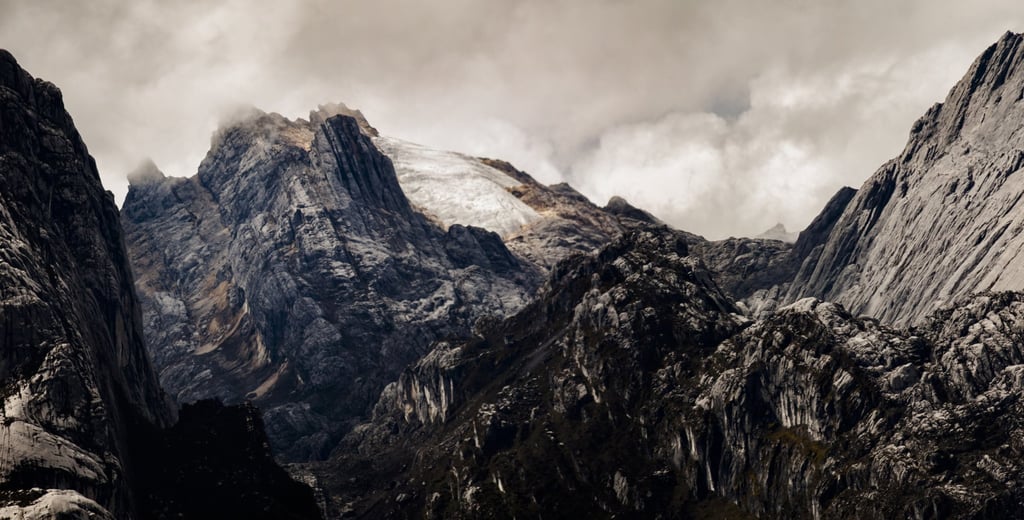
“It is sad because it’s not only a loss of local or national heritage for Indonesia, but this is also the loss of climate heritage for the world,” Susanto says.