Traditional indigo makers and artisans in Japan are passionate about ensuring their dyeing trade lives on
- Indigo has been around for more than 5,000 years, including 1,300 years in Japan and especially in Tokushima city
- Families that grow indigo and make dye from it continue the legacy, while artisans, artists and even chefs support them

From the tips of his fingers to well above his wrists, Toshiharu Furusho’s skin has taken on the colour of his profession.
For nearly 50 years, Furusho has combined wood ash, lime, yeast, black sugar, and most importantly, the dye from fermented indigo leaves – known as sukumo – in perfect ratios.
Only when he is satisfied that the fermentation process has run its natural course, something that can take up to a month, will he reach for lengths of material or finished clothing and repeatedly dip them into stone tubs of the mixture at his ramshackle factory in the backstreets of Tokushima city, before squeezing and rinsing them out by hand.
As he hangs the clothing up to dry, Furusho nods his head. These are the perfect shade of deep, dark blue that is synonymous with the indigo dying that originated in the Indus Valley around 5,000 years ago, before travelling the Silk Road and reaching Japan in the Nara period, between AD710 and 794.
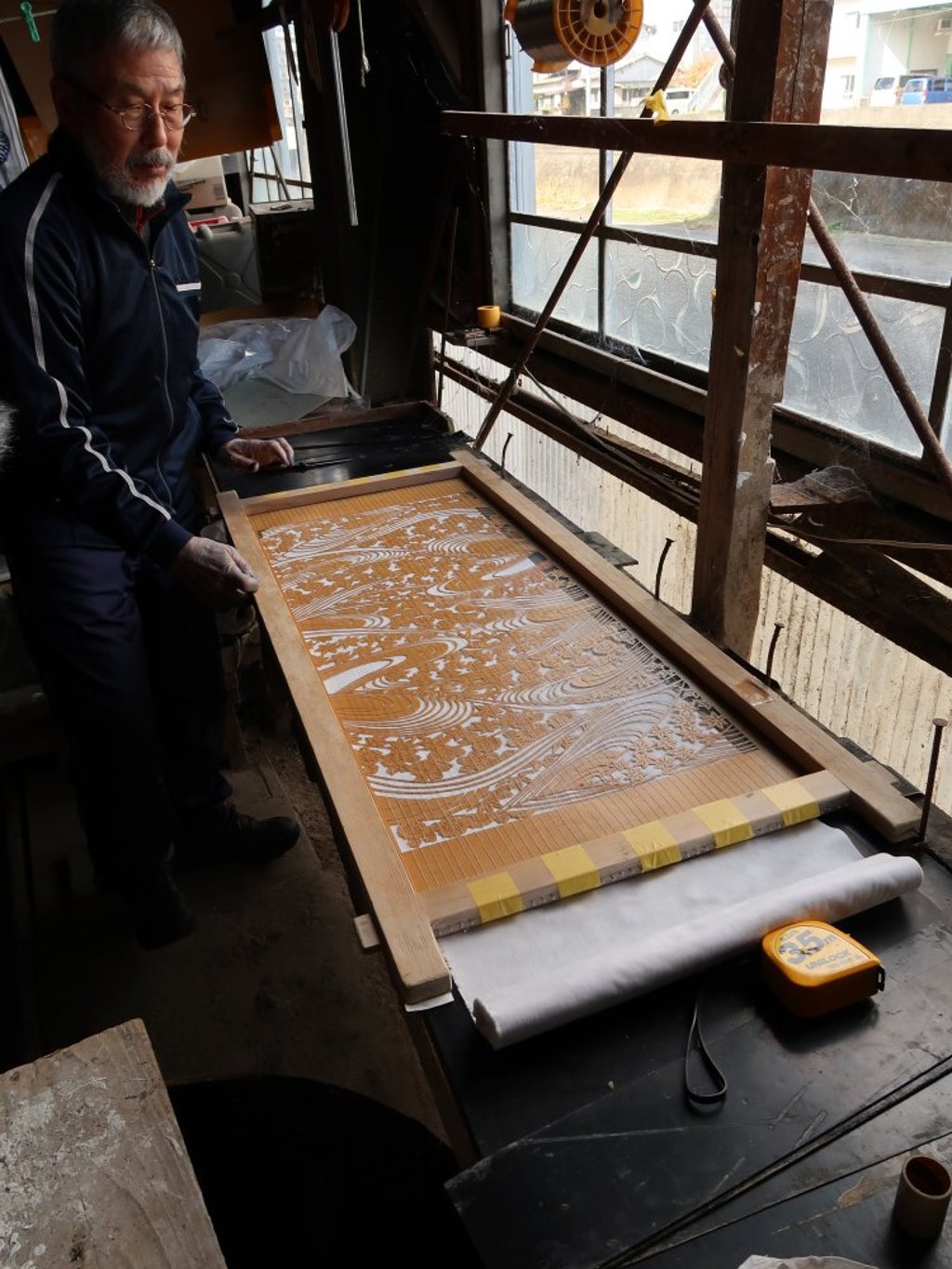
The colour, known as Awa-Ai, is in many ways emblematic of Japan – the logos for this year’s Tokyo Olympic Games and Paralympics were indigo on white – but the people of this part of Shikoku Island in the country’s south tend to refer to it as Tokushima blue.
“The most attractive part of clothes that are coloured with natural dyes is that the shades change gradually as they are worn, making each piece unique,” says 74-year-old Furusho, a sixth-generation traditional indigo dyer who has been recognised by the national government as an artisan with special intangible cultural skills.