‘Experiential travel’: with Indian tea tourism, where estates become boutique hotels and homestays, take your love of the drink to the next level
- More Indian tea estates are offering immersive experiences in which guests can roam around a working estate, visit factories and enjoy tasting sessions
- India is the second largest producer of tea in the world, after China, and provincial governments are recognising the value of their tea heritage
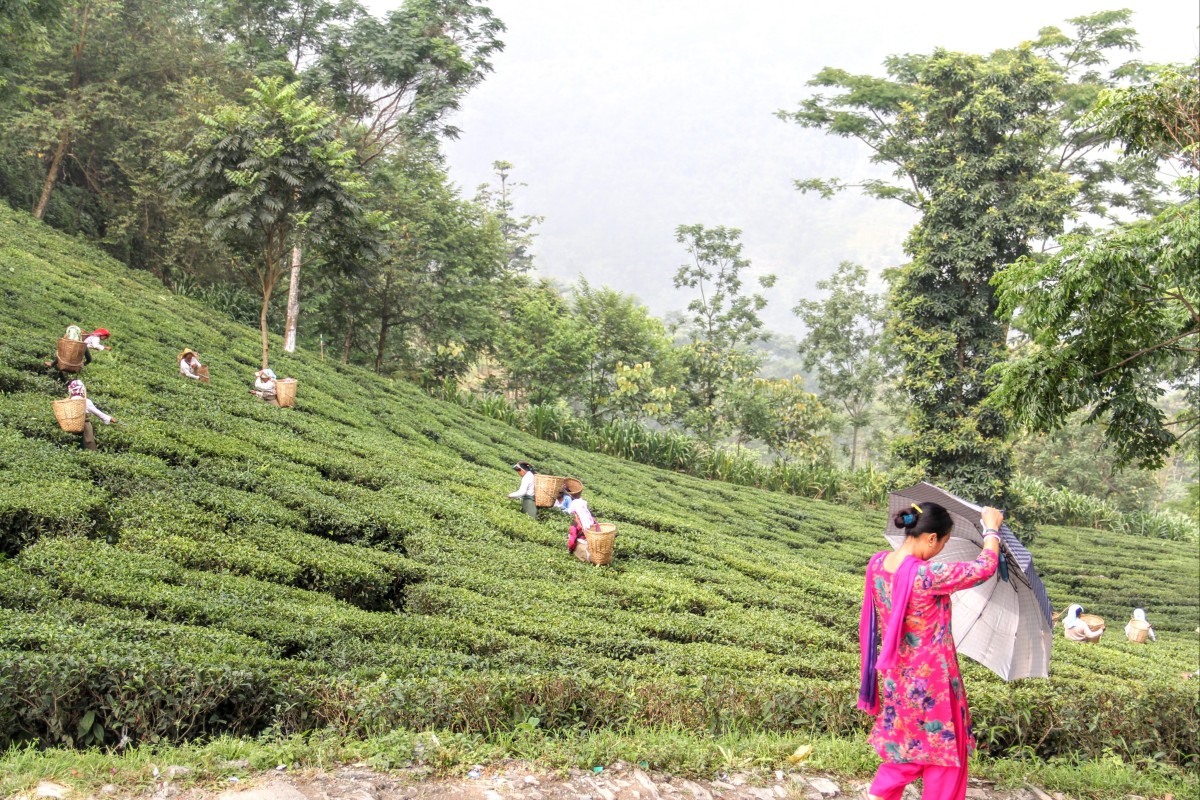
From my rain-streaked window, through floral-print curtains, unfolds an exquisite Impressionist painting: knitted rows of emerald tea bushes, mist rolling across the distant Himalayan ranges, and candyfloss clouds.
My suite, furnished with a Raj-era four-poster bed with hand-embroidered bedlinens, teak flooring, and tables bearing vases and jugs of fresh garden flowers, takes me back to a sepia age.
The siren goes off at 5.30am, signalling the beginning of another day on the Glenburn Tea Estate. Children are sent off to school or crèches before their mothers follow invisible paths through the verdant tea estates and start dropping soft leaves of Darjeeling tea into silken piles in their baskets.
Six hundred kilometres from Kolkata and an hour or so from Darjeeling town, the Glenburn Tea Estate is in the foothills of the Himalayas, bordering the state of Sikkim.
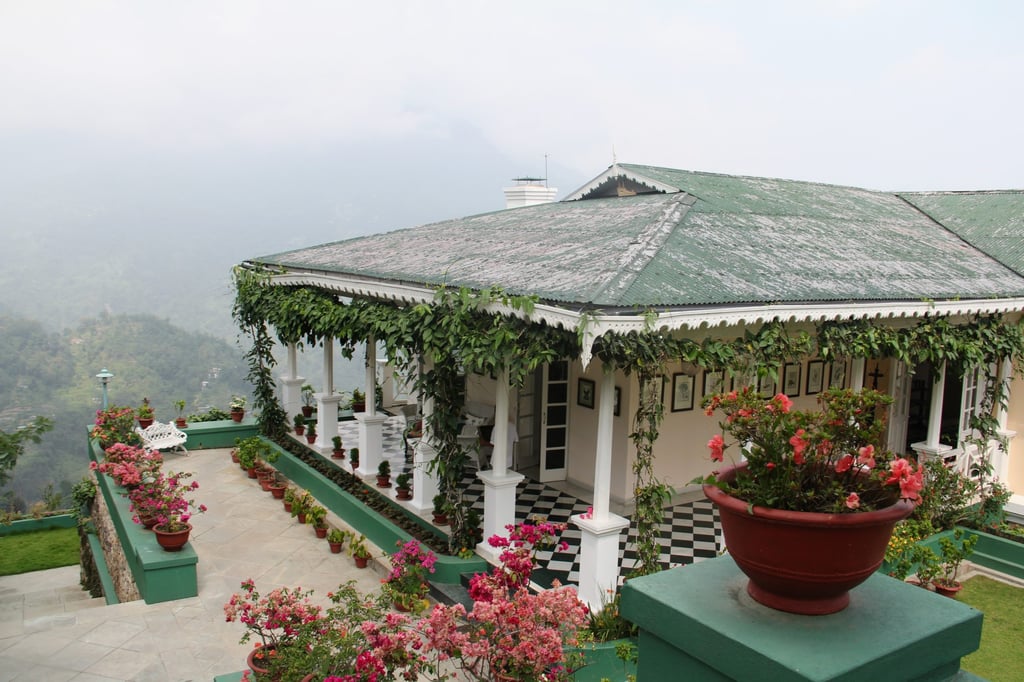
The property – 1,600 acres (650 hectares) of tea gardens, forests and rolling hills – was established in 1859 by a Scottish tea company and is now owned by the Prakash family, who have restored its two colonial-era bungalows. Within are eight guest suites and communal living and dining areas.
Called the “champagne of teas”, Darjeeling is golden or amber in colour and has a unique, delicate flavour.