‘These days, mostly Chinese and Russian people visit Iran’s historic sites’: Islamic Republic looks to neighbours and friends to boost tourism
- Chinese, Arabic and Russian have replaced English, French and German as the main foreign languages heard at tourist attractions in Iran
- Tehran is looking to draw more visitors from friendly nations, its wealthy Gulf neighbours and other Arab states to improve its economic performance

Iran, largely shunned by Western tourists, is making a push to attract visitors from wealthy Gulf Arab states and other nearby countries to boost its sanctions-hit economy.
The Islamic republic is also drawing more visitors from Russia and China to its ancient sites that date back to the Persian empire and the fabled Silk Road, industry figures say.
Iran’s Beijing-brokered diplomatic thaw this year with Saudi Arabia paved the way for direct flights, and Tehran is also seeking closer ties with other countries from Egypt to Morocco.
The slow but steady change is noticeable at major tourist sights, where more visitors can now be heard speaking not English, French or German, but Arabic, Chinese and Russian.
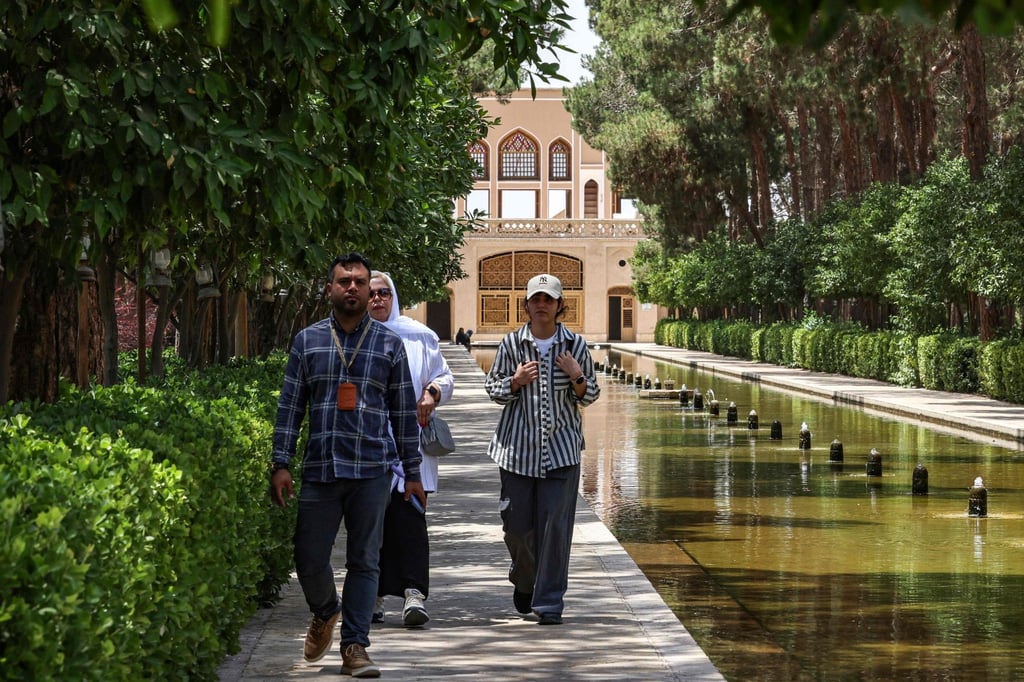
“In the past, we were receiving many tourists from Europe but now those numbers have seen a sharp decline,” said one Tehran travel agency owner, 46-year-old Hamid Shateri.