Advertisement
Giant stone heads, UFOs on Easter Island, one of the world’s most remote inhabited places
- Giant stone figures watch over Rapa Nui, or Easter Island, where visitors can hike, bike, snorkel and learn more about the imposing relics
4-MIN READ4-MIN

I am perched above the kilometre-wide crater of Rano Kau, on the island of Rapa Nui, also known as Easter Island, staring down at a lake thick with green algae.
In between tales of bloody wars and cutthroat physical competitions, my guide, Hanga Eka, describes a UFO sighting over the crater.
“I have seen crazy things,” he says.
Advertisement
It feels a little crazy to have taken a long, expensive trip to see one of the world’s most remote inhabited islands.
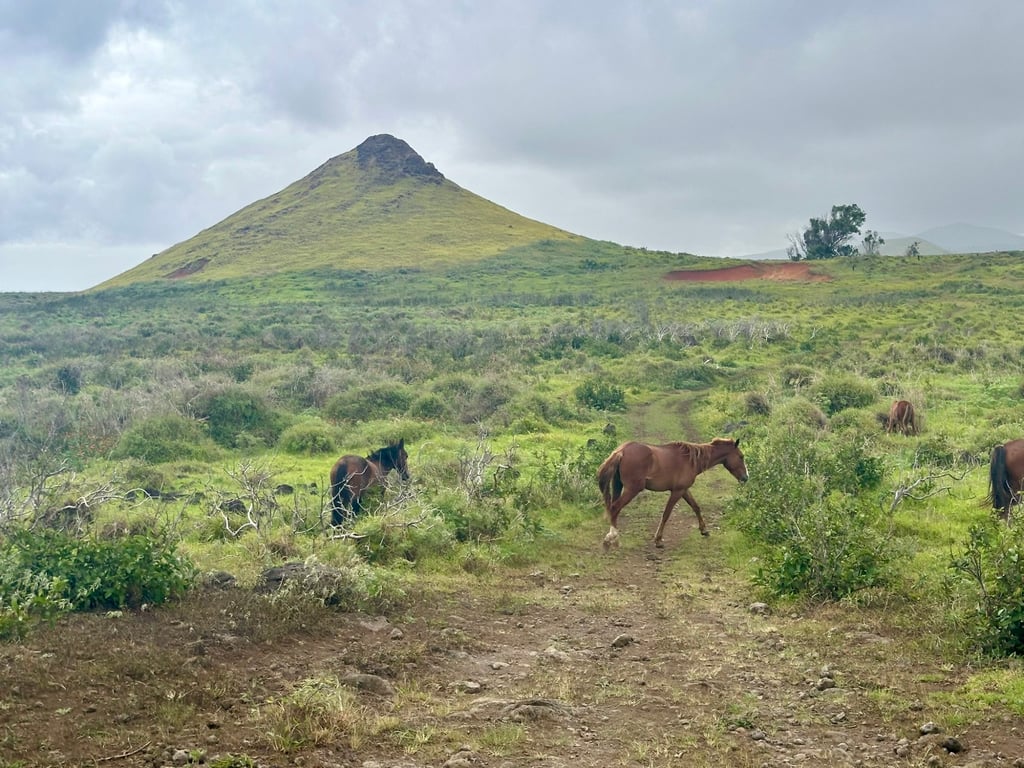
Rapa Nui is 3,540km (2,200 miles) off the coast of Chile, the South American country having annexed it in 1888. If your ideal holiday involves hiking on gently sloping green hills while being watched by huge stone heads – imposing relics of a mysterious past – visiting Rapa Nui is money well spent.
Advertisement
Visitors not arriving by cruise ship fly in from Santiago, Chile’s capital city, on Latam Airlines, the only airline currently serving the island.
Advertisement
Select Voice
Select Speed
1.00x