Homestay on India’s Andaman Islands aims to keep Karen people’s heritage alive via tourism
- The wooden homestay in a village near Mayabunder is one of the last of the Karen people’s traditional homes in the Andaman Islands

Upon exiting Port Blair airport in India’s Andaman Islands I am met with a stream of cabbies offering to take me to the ferry for Havelock or Neil, the archipelago’s two most popular tourist islands.
When I ask to be taken to the Port Blair bus station instead, my driver is confused, eyeing my obvious tourist get-up. He is intrigued when I tell him: “I am going to Mayabunder.”
As if the Andaman Islands – an archipelago of around 200 Indian islands geographically closer to Thailand and Myanmar than to mainland India, 1,300km (800 miles) away – were not remote enough, I am setting out for a part where only a few tourists tread.
A town on Middle Andaman island, Mayabunder was where the first Karen people on the islands set up their homes. The Karen are an ethnic group originally from Myanmar that were brought to India during British rule for their forest know-how and relative immunity from malaria, the Andaman rainforest being similar to those back home.
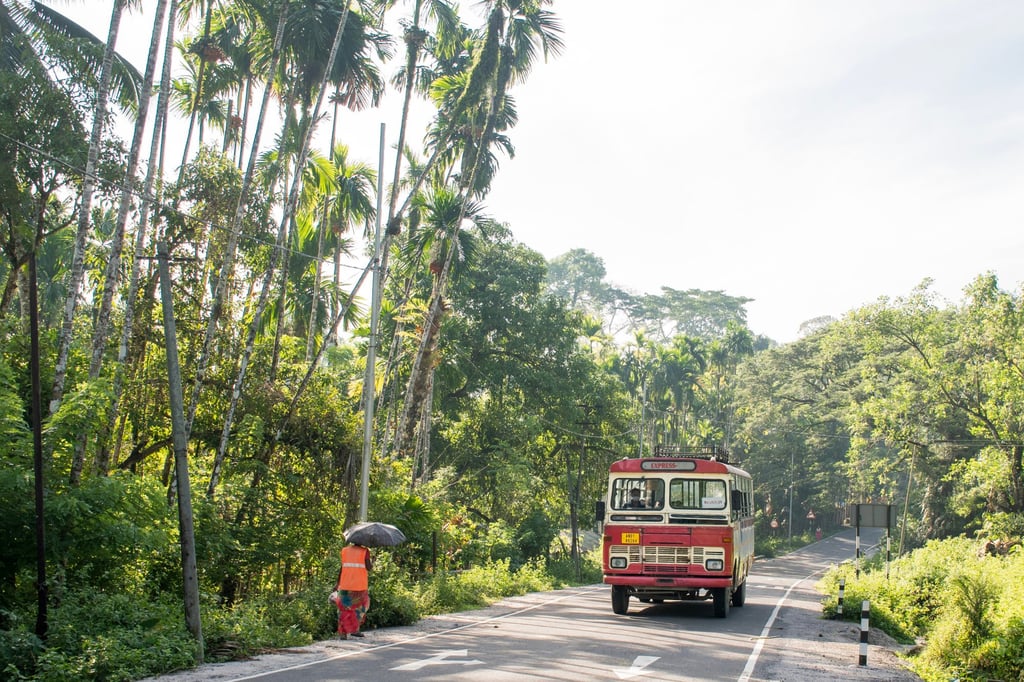
Mayabunder was mostly cut off from Port Blair, the Andamanese capital, until the ATR (Andaman Trunk Road) was built, in the early 1990s. The only other connection between the two is a more than 12-hour journey by ferry that is often cancelled due to cyclones in the Bay of Bengal.