What to see in Warsaw to discover its tragic past, from museums to memorials and monuments
The Polish capital’s rich and often tragic history is seen in places like the Palace of Culture and Science and the Polin Museum

“You can ignore history and just look at Warsaw as a modern city. But if you are curious, then you can find something on every corner.”
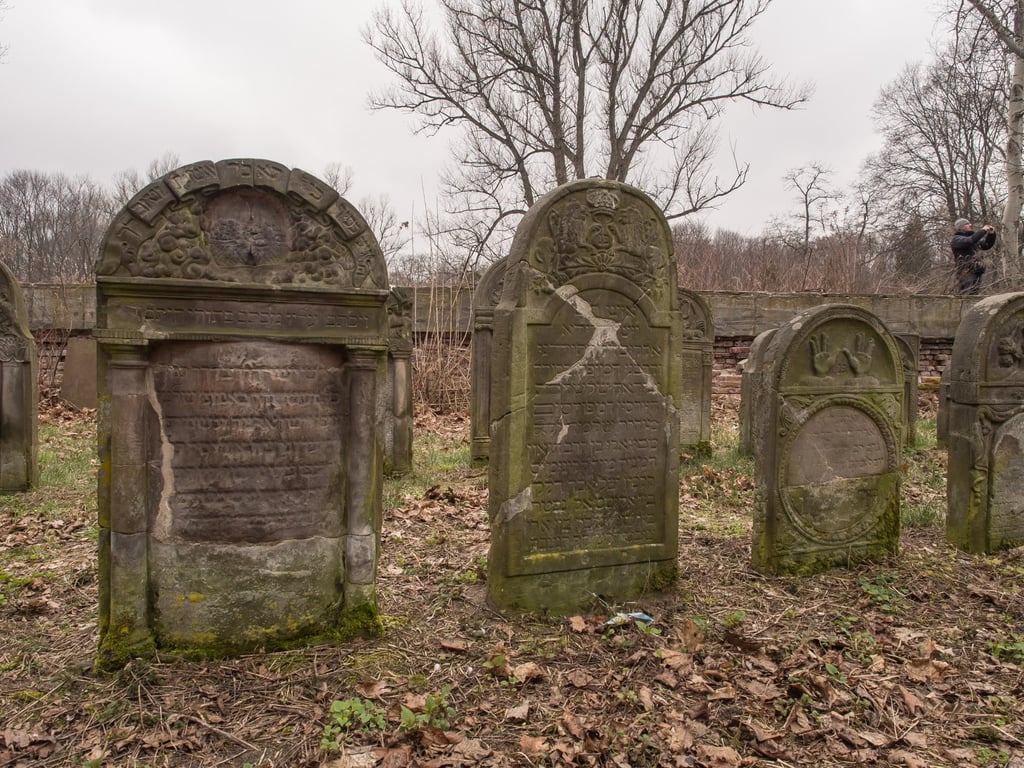
These words are from Witold Wrzosinski, director of the Jewish Cemetery on Okopowa Street in the Polish capital, the largest Jewish cemetery in the city.
The Warsaw native, who oversees the 33-hectare (82-acre) last resting place for the city’s Jews, is not wrong. Anyone who visits the Polish capital who does not come away having learned something of its rich and often tragic history must be walking the streets with blinkers on.
Warsaw looks like a chic and modern metropolis. The architecture is appealing, while the underground stations are stylish and sometimes so clean that they almost seem sterile.
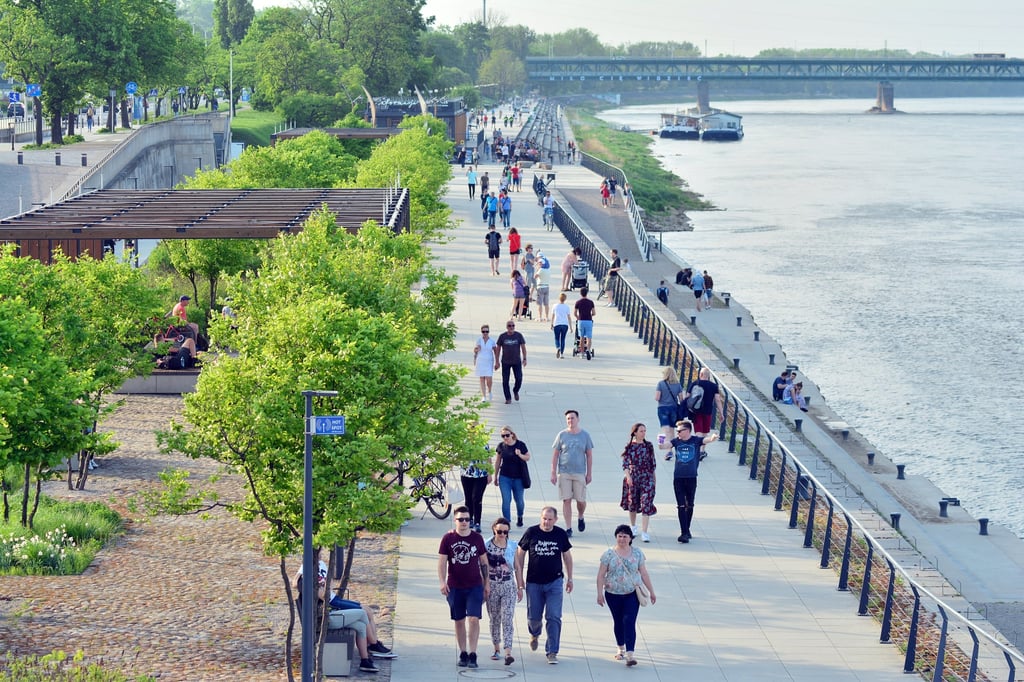
There are many parks to retreat from the hustle and bustle of city life, including the centrally located Lazienki Park, which is the city’s largest.