Dumbo unchained: how ethical elephant tourism in Thailand is changing the industry
Groups are trying to raise awareness of the mistreatment of elephants in Thailand and the importance of ethical tourism
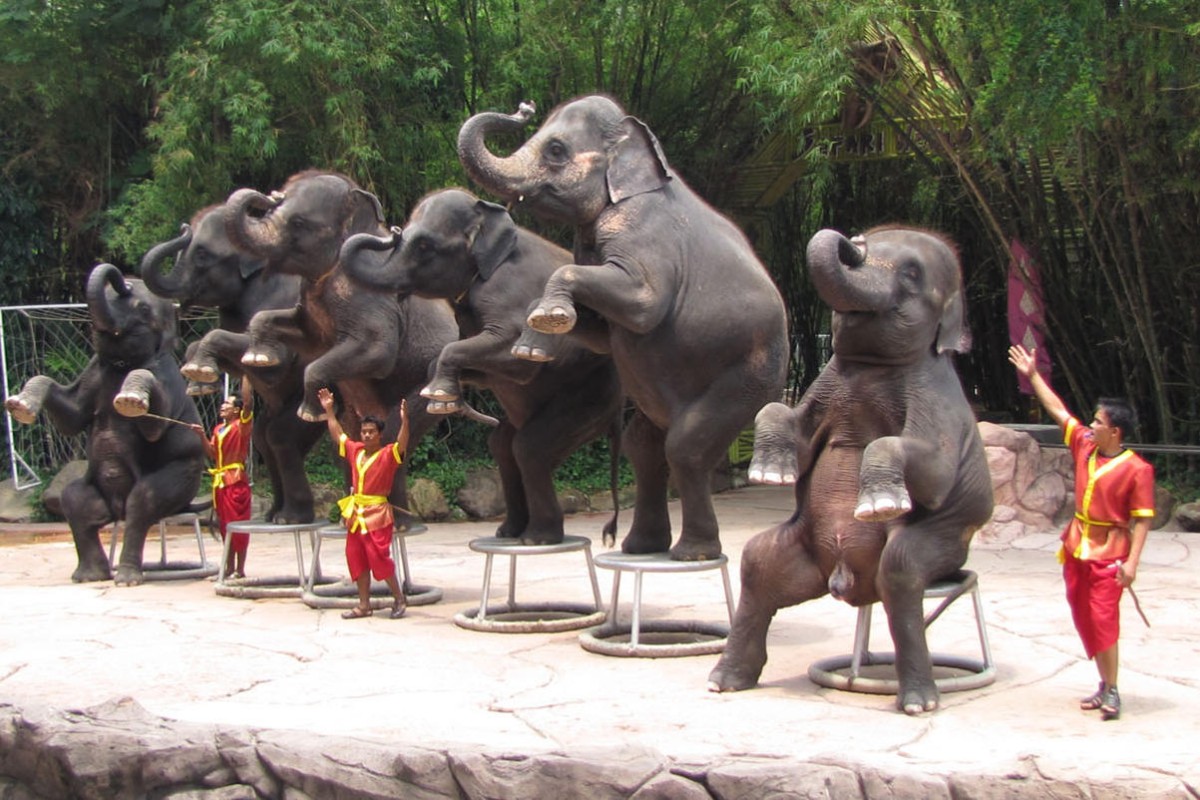
Tourists love elephants. Every year, millions of visitors travelling to countries like Thailand and Cambodia enjoy riding on their backs, or watching them perform circus tricks like balancing on a stool or riding a custom-made bicycle.
But such entertainment comes at a horrific cost to the animals. In Thailand, elephant calves are routinely subjected to the phajaan - meaning "crushing" - ceremony, a centuries-old technique designed to break the animal's spirit and make it amenable to instruction.
"Calves are tethered between bamboo poles … food and water are withheld and beatings are rampant - the baby is forced into submission," says Louise Rogerson, founder and CEO of Elephant Asia Rescue and Survival Foundation (Ears).
Although the elephant is held in high esteem in Thailand - it appears on the country's flag, military insignia, beer labels and currency - the animals have been exploited through the centuries, in wars, as beasts of burden in the logging trade and killed for their ivory. Coupled with a shrinking habitat, the population in Thailand has dropped to fewer than 4,000 elephants, about 60 per cent of which are put to work in the tourism sector.

An animal welfare law adopted in November 2014 is a step forward, but animal rights groups have criticised the legislation as too vaguely worded, and enforcement is a challenge.
Much more has to be done because abuse is widespread and endemic, activists say.