Makgeolli was something your grandparents would drink. Known colloquially as nonju, or “farmer’s alcohol”, the fermented rice beverage had once been Korea’s most popular tipple, but by the 1990s it had lost ground as prosperity convinced drinkers to turn to more fashionable imports such as beer, wine and whisky.
Things have come full circle. Young Koreans have embraced the sweet, slightly fizzy makgeolli, which is made by mixing rice with nuruk, a traditional fermentation starter derived from rice and wheat. The resulting beverage is rich in dietary fibre and lactobacillus, the same kind of probiotic bacteria that gives yogurt its tangy flavour.
Korean cocktails at Ssal Bori Ssal in Tsim Sha Tsui. Photo: Edmond So
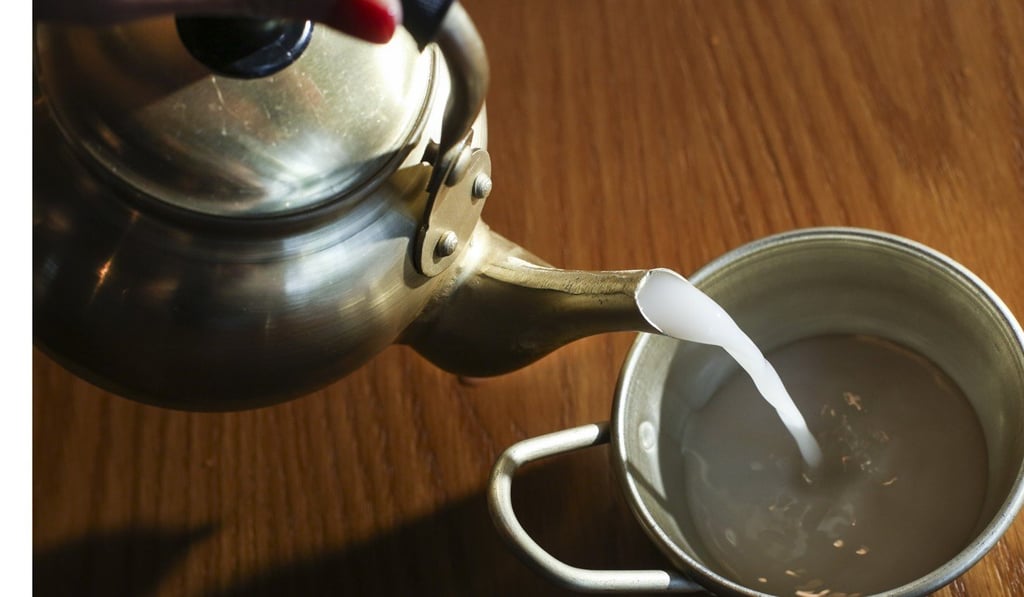
Typically served in a teapot and sipped from bowls, makgeolli is a drink meant to be shared with friends, as countless scenes in Korean television shows and movies have depicted. And, as Korean pop culture has spread worldwide, so too has Korean food and drink. Soju - another staple Korean beverage - is ubiquitous in the many Korean barbecue restaurants around town, often alongside makgeolli, which is sold in supermarkets in cans and bottles.
Advertisement
Yet good quality Korean alcohol remains hard to find.
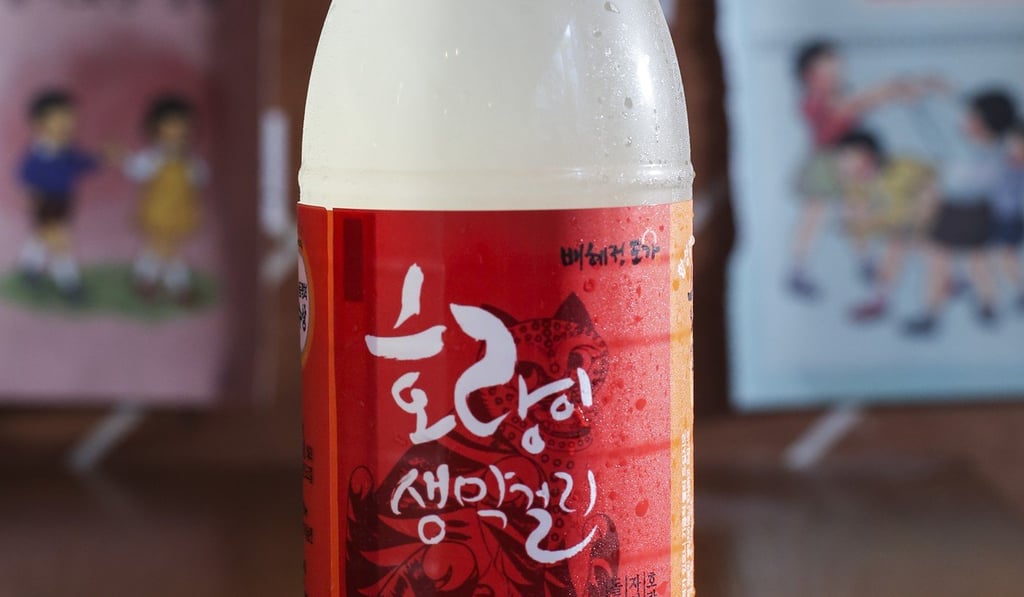
Tiger Fresh Makgeolli at Ssal Bori Ssal. Photo: Edmond So
Makgeolli is a prime example. “The fresh ones only last for 30 days, so a lot of suppliers don’t bring it to Hong Kong because the risk is too high,” says restaurateur Donny Seoh. Born in Korea and raised in Hong Kong since the age of three, Seoh got his first taste of makgeolli at family dinners. “It had so much texture and flavour,” he says.
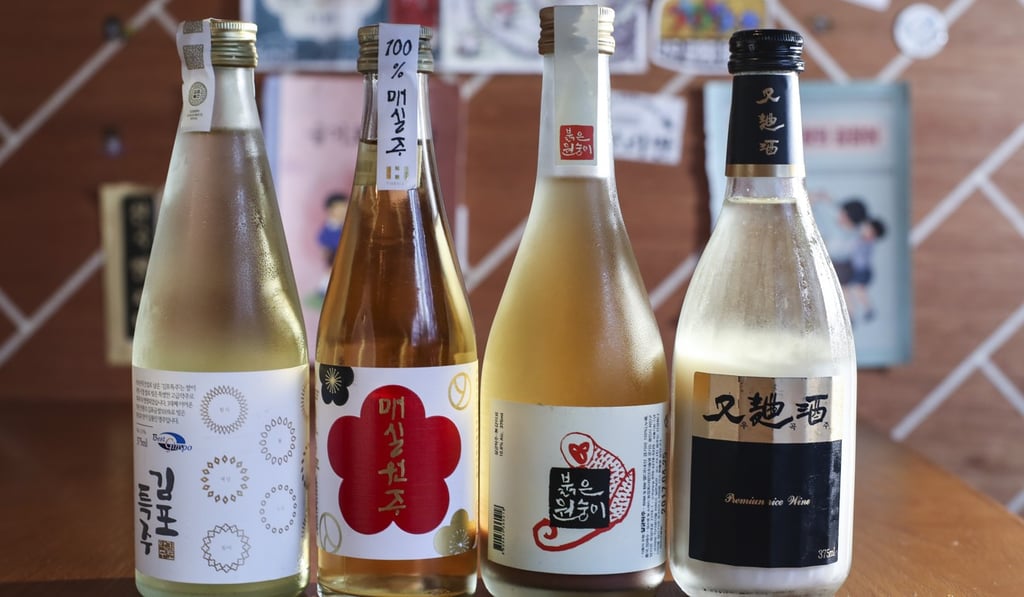
(From left): Gimpo Teukju filtered rice wine at its best; Maesil Wonju Liquor 100 per cent Korean plum liquor; Red Monkey Makgeolli made with super food red yeast; and Ugokju the pinnacle of premium organic rice wine at Ssal Bori Ssal. Photo: Edmond So
When he opened his first restaurant, Momojein, in 2015, he realised that only pasteurised, mass-produced makgeolli was available in Hong Kong. “My partners and I decided that if we wanted to do makgeolli, we had to do it ourselves,” he says.
Advertisement
The result is Ssal Bori Ssal, which opened last May in Tsim Sha Tsui’s budding Korean district around Kimberley Road. The name means “rice barley rice”, an allusion to a childhood game similar to
rock-paper-scissors, and the cosy interior is stocked with vintage décor from ’80s Korea.