Upclose with Diane Wei Liang
Diane Wei Liang is part of a new generation of Chinese writers. She talks to John Robertson about her first novel, "The Eye of Jade," which examines the uncomfortable relationship between China’s past and present.
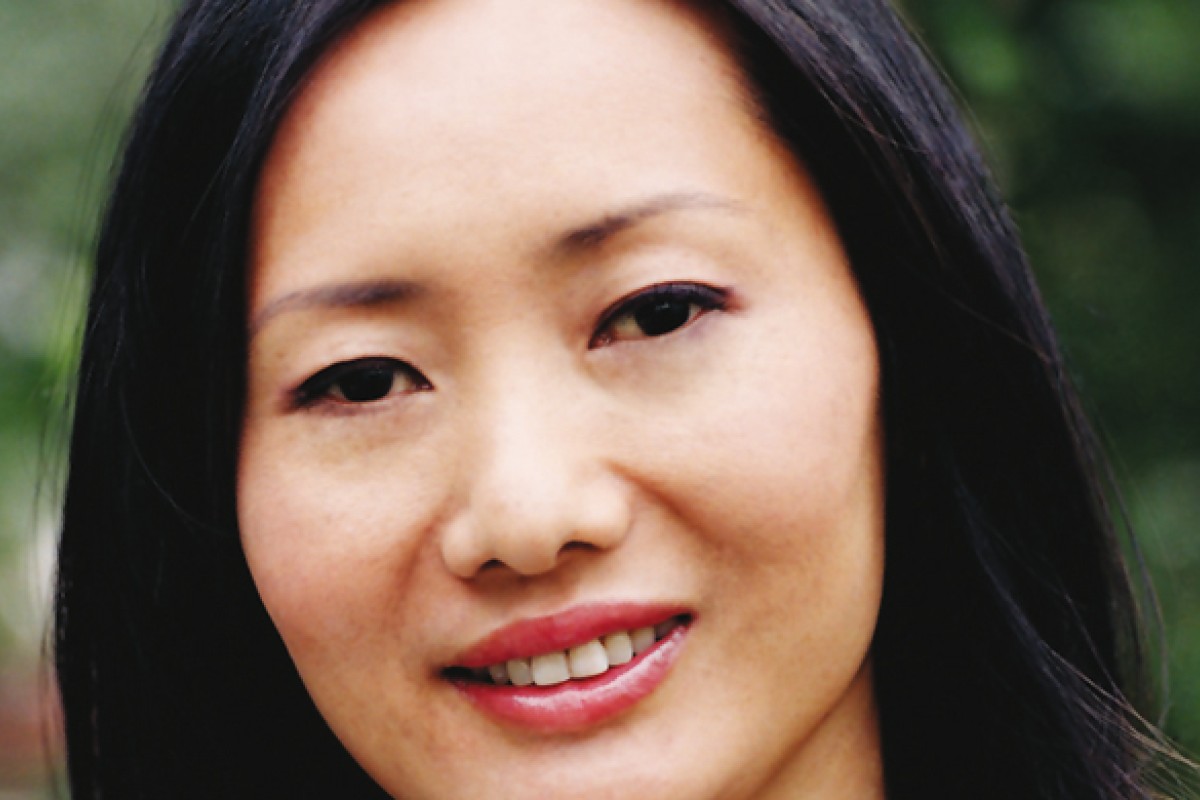
HK Magazine: Is the novel semi-autobiographical in any way as far as the protagonist is concerned? There are certain similarities, including your childhood in labor camps.
Diane Wei Liang: In small part, perhaps. Some of her personal experiences and parts of her personality are mine. The loneliness, the heavy sense of individual responsibility, the uncomfortable feeling when thrust in certain social environments in China. But it’s not something I really thought about. There are certainly bits of her borrowed from other people as well. She’s a character with internal tensions and contradictions. While she has integrity and drive, she’s not perfect; there are a lot of issues to be resolved.
HK: You did a PhD in Business Administration and were a professor of management for many years. What drew you to writing?
DWL: Back when I was 16, I wanted to be a writer. My mother was also a writer herself, and she told me to go live my life first before writing anything. Looking back, I feel it was just my personal route to do what I did in the US and the UK first, after which I was ready and more than eager to write. So I guess I’ve really come full circle.
HK: How do you think the cultural and ideological tensions in modern China apply to women in particular?
DWL: I think the tension and conflict is extremely salient for women, particularly because of established rules around women. As China goes through momentous change, there’s a lot that the women have to go through as well. When it comes to the cultural changes brought on by capitalism, there’s a lot that traditional, modest Chinese people don’t particularly grasp. They can get their heads around the market aspects, the supply and demand issues, but they have trouble getting it around the changes in behavior and social norms that come with it.
HK: What moments in your life have had the heaviest influence on you as a writer? Clearly, taking part in the Student Democracy Movement in Tiananmen Square was one of them.
DWL: Looking back on my life, I see two distinct kinds of influences. Dramatic experiences like Tiananmen Square have obviously had a huge impact on the way I view things now. But then there are personal experiences like the love of my parents. As a writer, I feel incredibly fortunate to have had them, and I’ve derived a lot out of them - everything from momentous events down to things like my first love.