Screen Sirens
As “3D Sex and Zen: Extreme Ecstasy,” the world’s first 3D skin flick produced right here in Hong Kong, hits cinemas this month, we think it’s high time to look back at the 40-year history of the city’s erotic film industry. Is it bound for a resurgence?
The Swinging Seventies
The first wave of erotic films
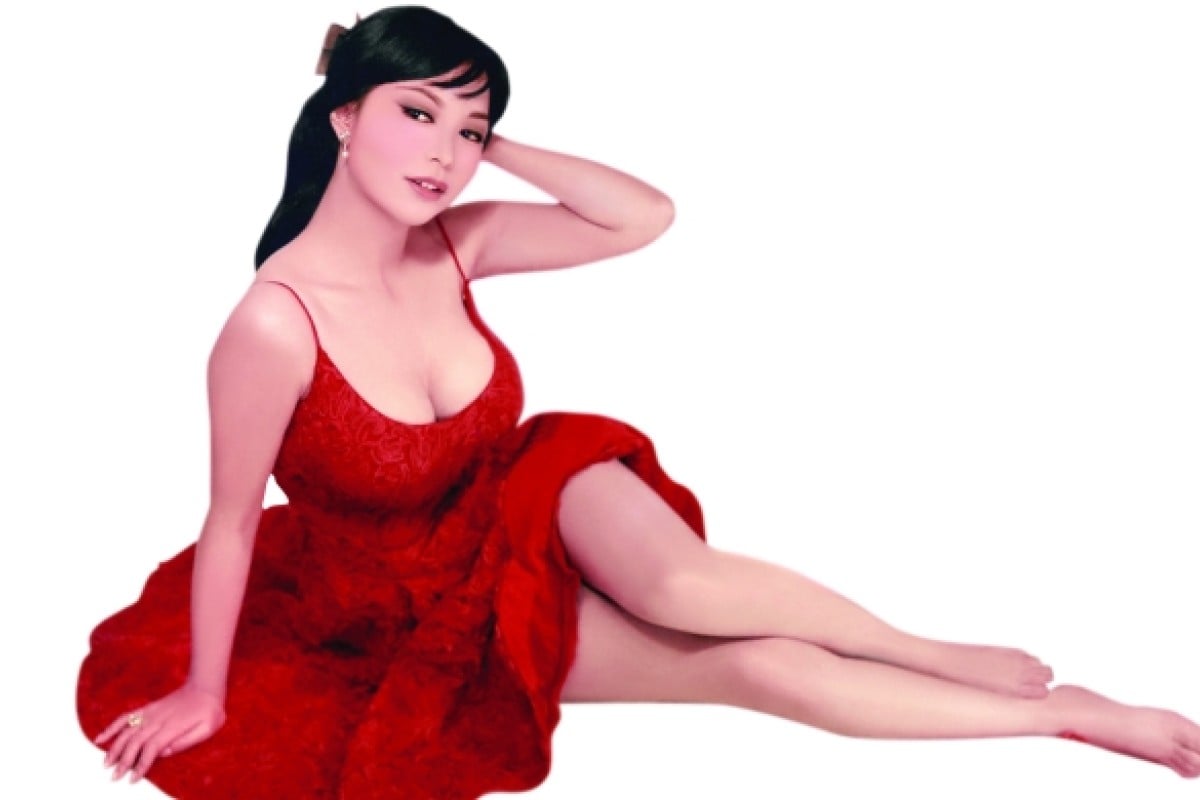
In the 1970s, the first wave of erotic films filled Hong Kong cinemas: actresses shot to fame after showing their curvaceous bodies on the big screen; people were captivated by the seductive imagery; and even famous directors toyed with making sex flicks. It was the golden age of erotic movies in Hong Kong—when no one thought it was a big deal to make sexual movies, and some even considered erotic films a cinematic norm of the time.
That era was also a culturally turbulent time for Hong Kong. Western artists were exploring themes of sexual liberation, and movies such as “Deep Throat” and “Emmanuelle” hit Hong Kong theaters. Under such influences, Hong Kong moviemakers began making local erotic movies, dubbing them “fengyue films.” Such a cinematic experiment was possible in Hong Kong also because of its unique political situation. “The mainland only produced propaganda films at that time. In Taiwan, they either produced propaganda films, or made [romance novelist] Chiung Yao-styled romance flicks,” says Verdy Leung, Visiting Lecturer at Hong Kong Baptist University’s Academy of Film. “You wouldn’t expect to see anything sexual in these films.”
Apart from foreign trends, Hong Kong filmmakers had practical reasons to start making erotic movies. Moviemakers had never before worried about competition. But that changed in 1967, with the launch of TVB, the first free television channel in Hong Kong. “It was a big challenge for the movie industry. People had only watched movies for entertainment before, so there were a lot of grand cinemas, which could accommodate thousands of audience members. But when television first came, everyone turned to it because it was free, and people were still poor at that time. Box-office revenue dropped dramatically, and moviemakers had to find some other ways to ensure survival,” explains Little Grass, author of the “Hong Kong Erotic History” (which was banned from the Hong Kong Book Fair by the Trade Development Council in 2004). Filmmakers used carnal and sexual scenes to attract the eyeballs of moviegoers, as law prohibited television programs from containing sex scenes. They took the right risk—the local movie business was salvaged. Plus, the ploy to win back viewers also spurred a larger movement in the film industry.
Shaw Brothers Studio was the dominant movie production company at that time, bold in its support of fengyue films and known for even including sex scenes in movies of other genres.
Interestingly, Hong Kong’s first famous director of erotic movies, Lee Hung, is actually a woman. In 1969, Lee moved to Hong Kong and set up a production company that specialized in making sex flicks. “It is impossible to watch the movies now, but they could get quite pornographic. [You can tell] just looking at the movie stills,” Little Grass says. Because society was still very conservative, Lee’s company soon closed down, but not before she blazed a path for other (male) directors to follow later.