This New Year’s Eve, ditch the champers for some exotic—and pocket-friendly—bubbly.
4-MIN READ4-MIN
While champagne toasts on New Year’s are as customary as… um…the New Year itself, why not be more avant-garde this year and go for some sparkly alternatives from other parts of the world? Here are a few recession-friendly suggestions that’ll make popping a bottle of Dom seem so last year.
Cava
In 1872, after a visit to the Champagne region, Joseph Raventós Fatjó—whose family had tended land and maintained vineyards in Catalonia since 1497—made the world’s first cava (the Spanish version of the original French product).
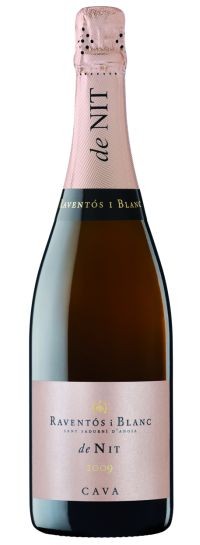
Though cavas are similar to champagne in that they are traditionally produced in accordance with the “méthode champenoise,” where the product’s secondary fermentation occurs in the bottle, the drink uses different grape varieties to those in the Champagne region. Today, the Raventós i Blanc brand makes several cavas, and of particular note are the 2008 L’Hereu Brut ($172) and the 2009 De Nit Rosado ($218). The L’Hereu Brut is made with macabeo, xarello and parellada grapes—all handpicked, immediately pressed and processed via a gravity flow system—making for a light-colored sparkling wine with green apple and lime flavors and green herb aromas. In addition to the three varieties of grape featured in the Brut, the De Nit is also made from monastrell grapes. As a result, the cava has a pale pink hue, a cherry and peach cream nose and a tart berry, peach and mineral palate. Both Raventós cavas pair well with seafood, white meat and traditional tapas. Raventos i Blanc. Available at Finessa Direct, Unit 2511, 25/F, Trend Centre, 29-31 Cheung Lee St., Chai Wan, 2898-8815, www.finessa.com.hk.
Sekt
With the highest yearly per capita consumption in the world, it’s fair to say that Germans know how to enjoy their sparkling wine (or “sekt” in German). Sekt typically contains less alcohol than its French counterpart—but this just means you can drink more of it.
Rotkäppchen-Mumm, a German winemaking company that traces its origins to medieval Europe, is responsible for a third of the bottles that feature in the sekt market. Established in the 1800s, using classic base wines from a variety of European vineyards and aged and stored in the town of Freyburg, Rotkäppchen-Mumm’s traditional range is a mainstay and a common beverage in the German sekt market. Of the three sekts in the traditional range (all of which sell for $99), the most popular is the Halbtrocken—a medium dry, fruity and bubbly sparkling wine made from French, Italian and Spanish neutral base wines. R-M’s “Gelderman” range—which is produced entirely by traditional bottle fermentation—is the brand’s premium sparkling wine. Today, both Gelderman’s Brut and its salmon-colored dry Rosé (each $349) are produced and aged in the Rhine Valley town of Breisach. Rotkäppchen-Mumm. Available at S&D German Wines, Room 3207, 32/F, Tower 6, The Gateway, 7-11 Canton Rd., Tsim Sha Tsui, 2117-8286, www.sd-germanwines.com.
Prosecco and Moscato
Besides pizza and pasta, Italy is also a major sparkling wine-producing country—with prosecco (a dry white sparkler made with prosecco grapes) at the forefront.
Unlike champagne, Italy’s prosecco production mainly uses the Charmat method of secondary fermentation in stainless steel tanks as opposed to in the bottle. Italian producer Astoria offers a number of prosecco products in its sparkling wine portfolio. The baby, classic, magnum and Jeroboame Astoria Lounge ($47, $100, $211 and $717 respectively) use chardonnay and prosecco grapes produced via a soft pressing system that makes for a mild wisteria nose and a dry, fruity taste. Similarly produced with distinct fruity-flowery tastes and apple and pear aromas is the accademia prosecco spumante ($168), which is made entirely from prosecco grapes. Astoria also offers a rosé ($168) that uses Raboso and pinot noir grape varieties harvested by hand and vinified within three hours, as well as the low alcohol content moscato spumante ($168) made entirely from moscato grapes grown on the Euganean hills. Astoria. Available at CiboAmante, Unit C, 24/F, Yiko Industrial Building, 10 Ka Yip St., Chai Wan, 3523-1473, www.ciboamante.hk.