City scope: just for kicks
Rong Xiaoqing in New York
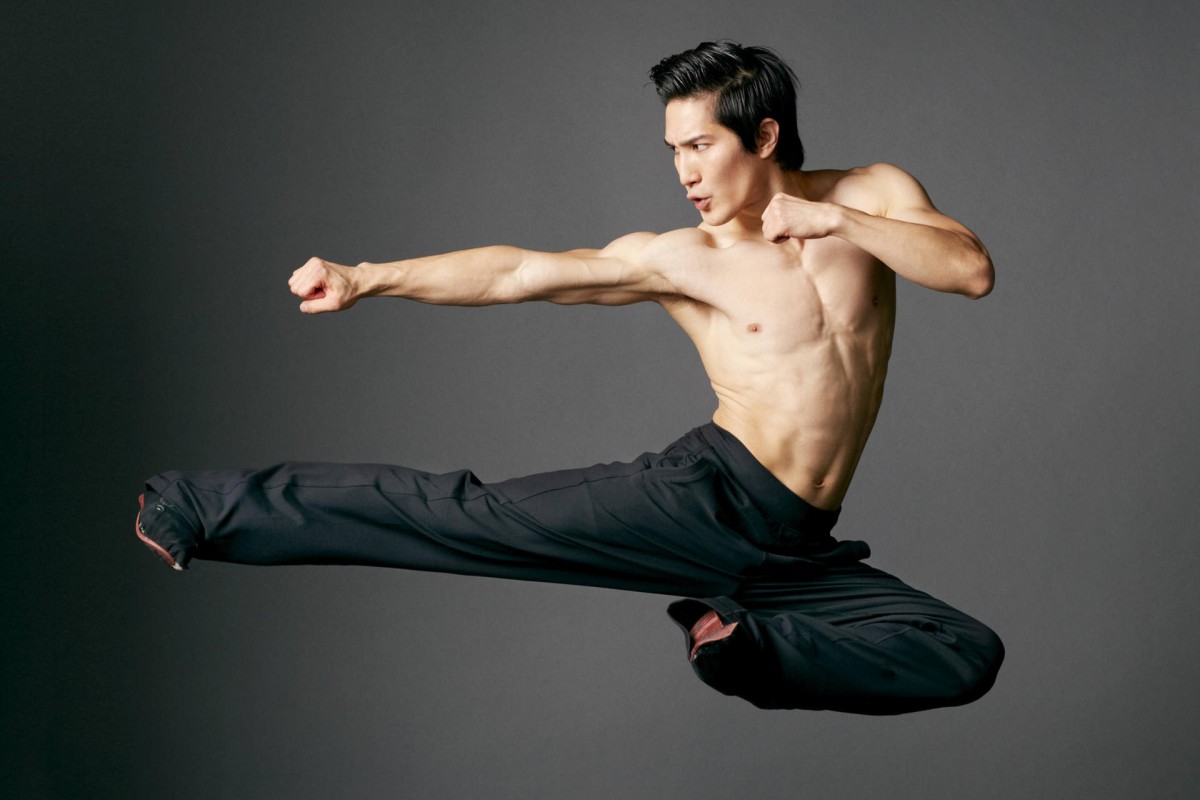
Ask anyone who has seen the play Kung Fu, at the Signature Theater in Manhattan, and they will likely tell you that it was hard for them to stay in their seat. The vibrating music, the trippy lights and the physical power exuded from the stage all make one want to dance, in a kung fu style.
Since its opening, on February 24, the show has gained broad attention from critics and audiences. This can be partly attributed to the talent of its playwright, Tony award-winning David Henry Hwang. But, Hwang admits, the person who inspires the audience most is Bruce Lee, the lead character, played by Japanese-American actor Cole Horibe.
Kung Fu may be all dancing but it isn't, thankfully, all singing. Horibe takes us through the late martial-art legend's story - his transformation from insignificant boy to international star amid racial bias in both Hong Kong and the United States. But he also gets to display the beauty of martial arts in what Hwang, who practises karate and yoga, calls a "dancical".
"Fists fly with all the fury an action fan could want," says The New York Times of the show, which has been extended until April 6.
Away from the bright lights of off-Broadway, however, things are not quite as rosy.
Kung fu master Wing Hong Yip, 63, opened his school, Dragon Style Kung Fu, in Chinatown six months after Lee's sudden death, in 1973. The fervour for the art was such then that, even as an unknown, Yip signed up more than 60 students almost immediately.