Then & NowWhen gentleman jockeys ruled Hong Kong’s racetracks
Long before horse racing became big business in Hong Kong, jockeys were part-time equestrians who rode for pleasure

The “Sport of Kings” has been popular on the China coast since long before Hong Kong was founded. Amateur races were held in Macau, in the Areia Preta (“black sand”), near the Barrier Gate north of the city walls, from the late 18th century. Hong Kong’s first meetings took place not long after the colony was established, and races have been held regularly at Happy Valley since 1846.
Early racehorses were tough little North China ponies, mostly from Inner Mongolia. By the late 19th century, larger Australian-bred horses were imported into Hong Kong, and elsewhere in Asia, in significant quantities. Popularly known as Walers for their origins in (mostly) New South Wales, these sturdy mounts became commonplace on China’s racecourses. By the late 1930s, North China ponies had been mostly phased out for racing purposes, but remained popular for recreational riding, especially for drag hunts in the northern New Territories.
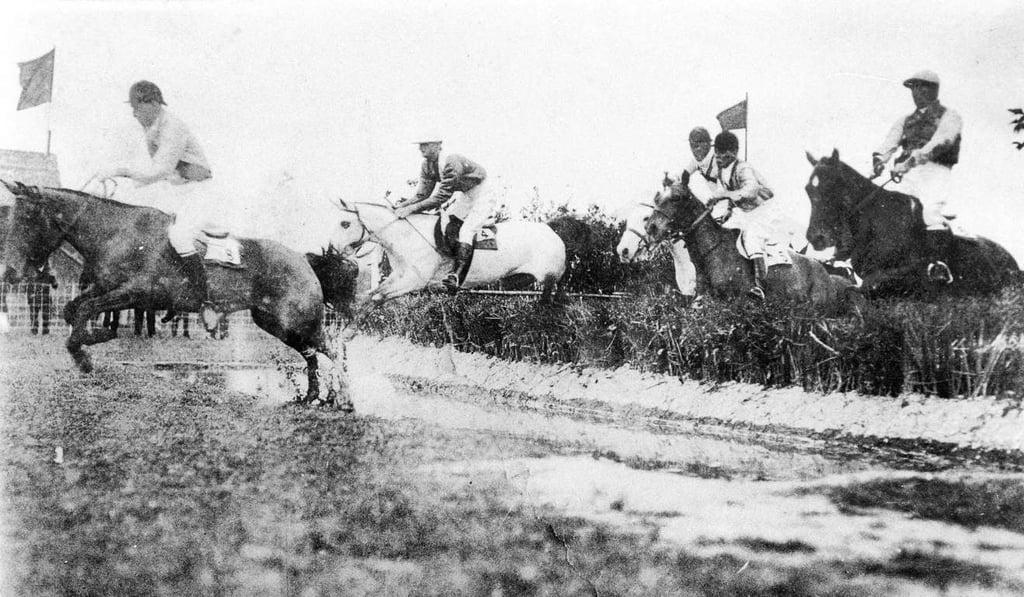
Before local racing was professionalised in 1971, amateur trainers and jockeys were allowed to prepare and ride horses on the circuit. This meant that in the early years, most local jockeys were part-time equestrians who rode primarily for leisure and pleasure. The only people who could afford to do this were those with either significant private incomes or tolerant employers who themselves had an abiding passion for the turf. A few fortunate individuals enjoyed business or professional lives that afforded them time to spend with their horses. Known as “gentleman jockeys”, sheer enjoyment – and not money – was their principal motivation.
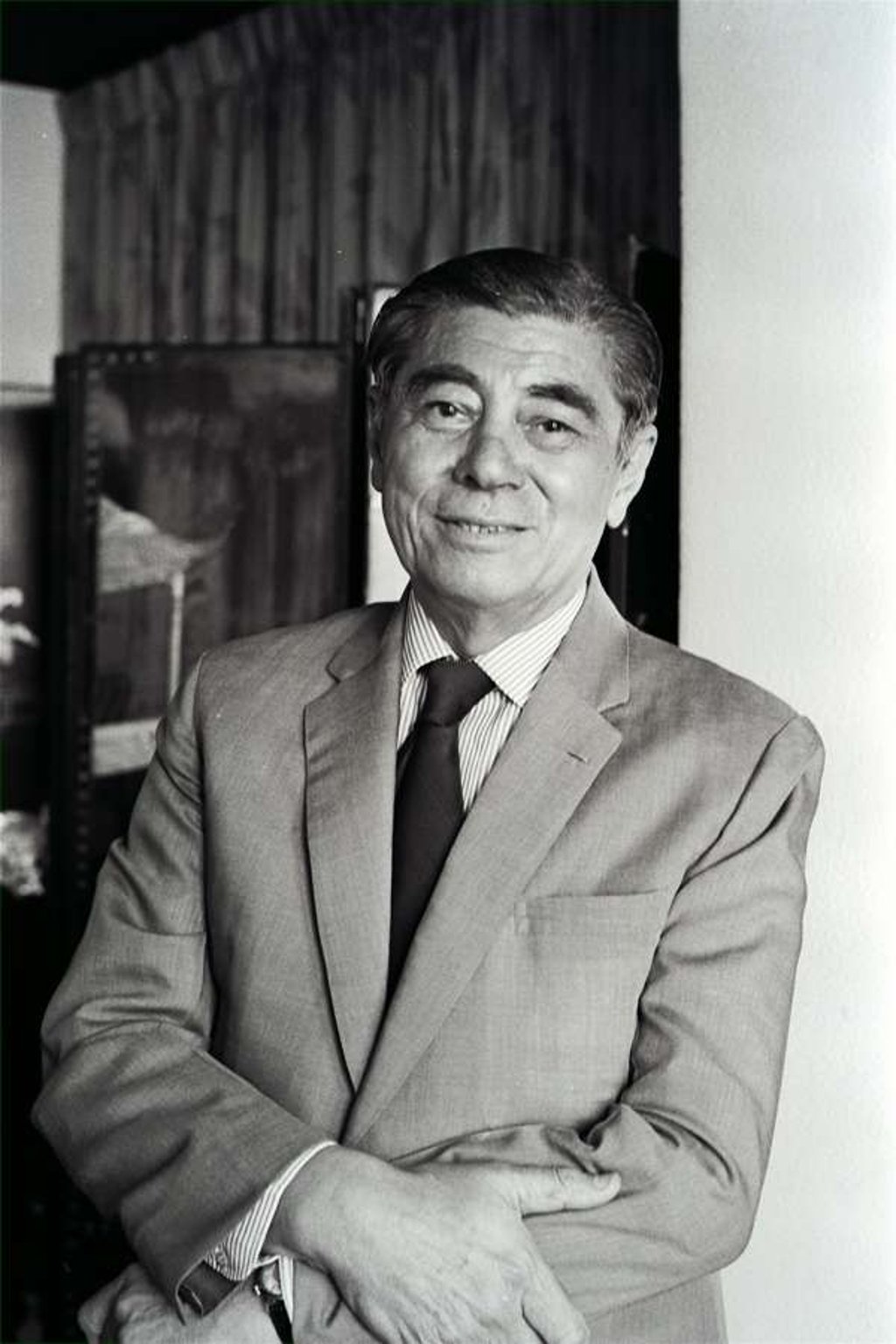
Another “gentleman jockey” was Eric Moller, from the prominent Shanghai-based China coast shipping and dockyard-owning family. Moller also relocated to Hong Kong after the Communist takeover, and continued to race as a successful owner well into the 1960s.