Then & NowWhen capital flight meant a trip to Hong Kong with suitcases of cash: how the smart money got out of China then and now
Wealthy Chinese have always stashed a portion of their wealth beyond China’s borders for a rainy day, be it in Hong Kong and Macau or, these days, sunk into property in London and New York and retirement schemes in Southeast Asia

Official efforts to stem capital flight from China have been much in the news lately. As the country’s equivalents of Monaco – freewheeling places in the sun for shady people – Hong Kong and Macau have also been in the spotlight. But capital flight is nothing new in a country that’s seen bouts of internal disorder; whichever regime may have been in power, and especially so when dynasties started to falter, keeping all one’s financial eggs in the same basket was never considered prudent.
Capital flight takes many forms. In recent years, international property developers have sought out Chinese investors quietly slinking towards the exit door. Their investments range from luxurious apartments in London, New York, Sydney, Singapore and the other usual destinations, to medium-priced properties in Bangkok, Kuala Lumpur and elsewhere in Southeast Asia. Almost anywhere outside of “Greater China” – and since the 1997 handover, Hong Kong no longer qualifies – will do.
Taking a sizeable hit on currency exchange is simply part of the price, as getting something safely out of the country is preferable to the risk of being left with nothing at all. The acquisition of foreign passports and educational qualifications in Western countries (the eventual destination for most of China’s asset shifters) is all part of the process. Other Asian countries’ generous investment and retirement visas also lure wealthy Chinese and their money with the possibility of a pleasant life. Malaysia, in particular, has led the field in recent years with various visa-investment schemes.
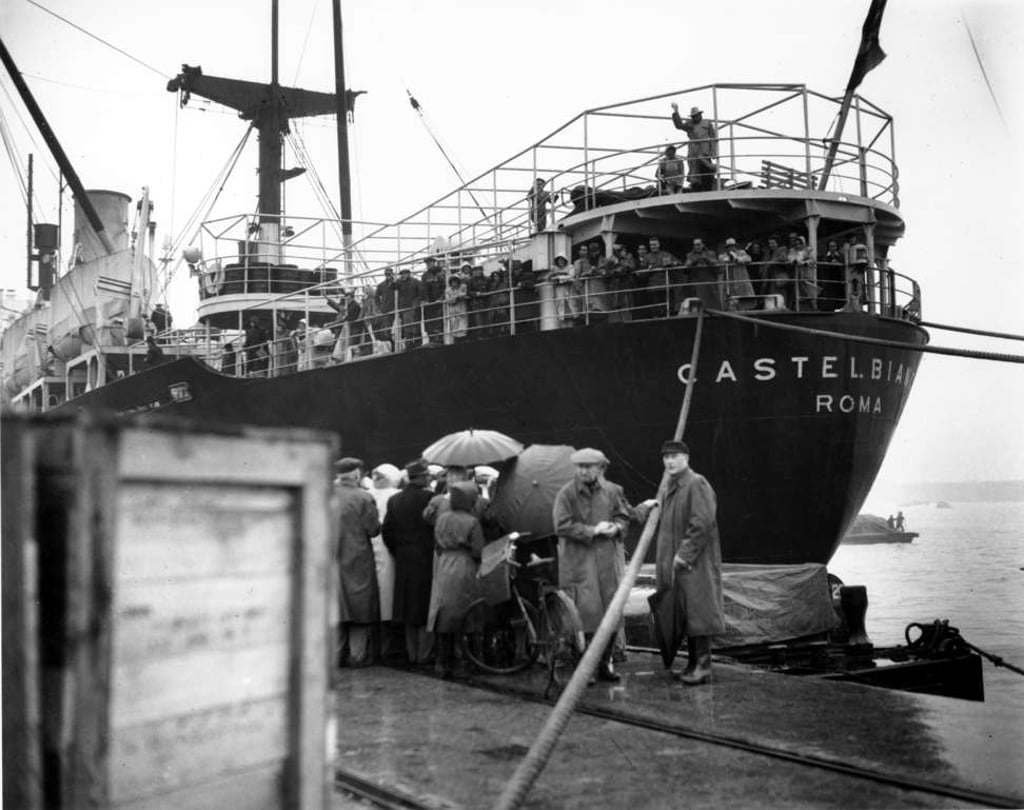
China’s last large-scale capital flight occurred in the late 1940s when – with Japan finally defeated – large parts of the country collapsed into civil war. The smartest people – which included most members of the Kuomintang government as well as industrialists, bankers and shipping magnates – moved large chunks of their portable assets to safer havens overseas.