Then & NowMessages from behind the Bamboo Curtain: how letters were smuggled into and out of China during communist isolation
During China’s years of isolation from the 1950s to the late 1970s, its people found ingenious but highly risky ways to communicate with loved ones outside the country


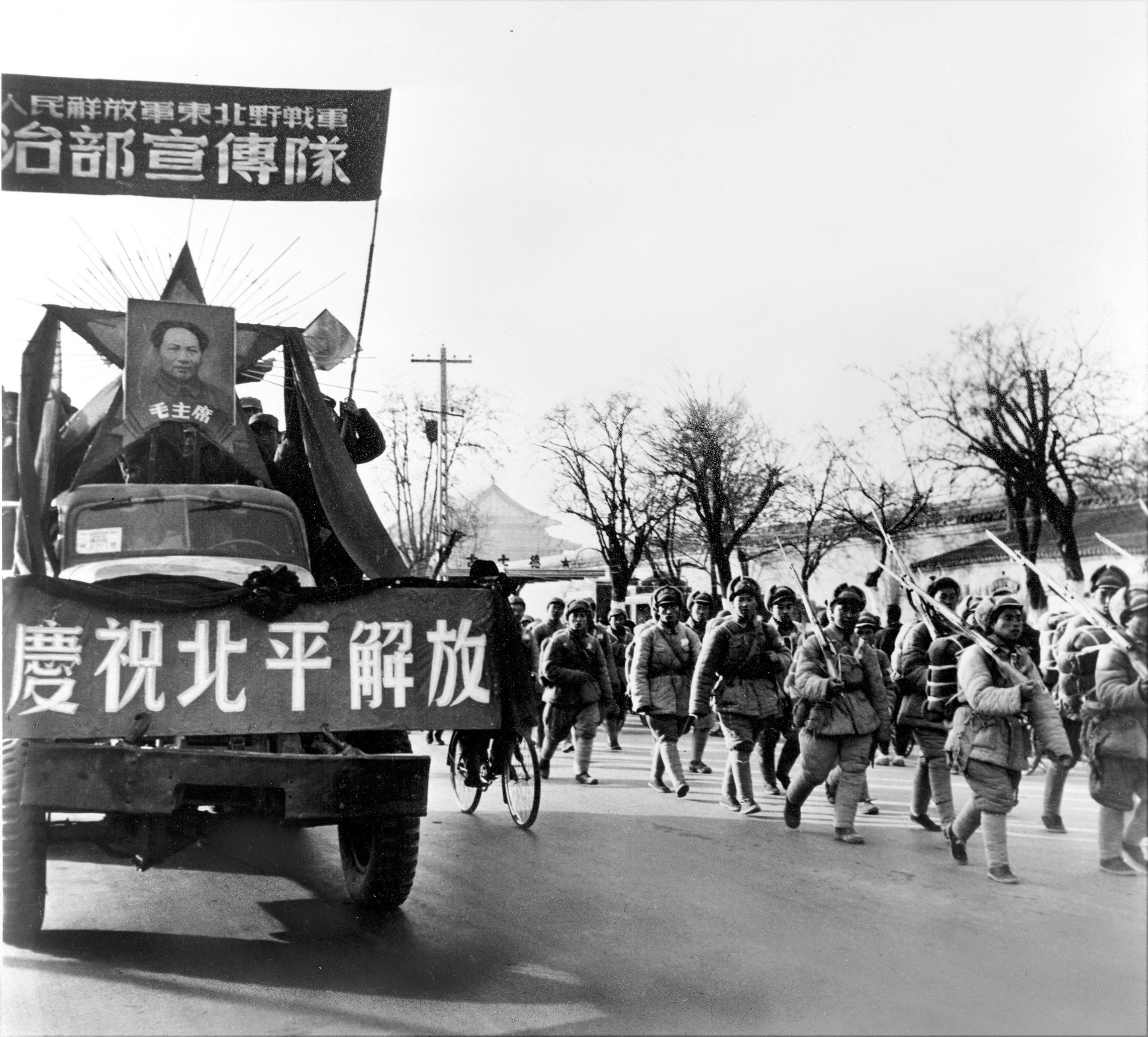
Not unnaturally, when the Communists assumed power in China in 1949, the “Bamboo Curtain” became the Asian equivalent. But like all easy labels, this phrase obscured as much as it illuminated. The Bamboo Curtain was more porous than its European counterpart; during communist China’s years of relative isolation, from the early 1950s until the late 1970s, there was greater connection with the rest of the world than is widely believed.
How did those who left China with the Communist Party’s assumption of power communicate with those who remained behind? Until the late 1950s, there was considerable human traffic between China and the wider world. British diplomatic recognition of the Communist regime in 1950 meant that mail services, while subject to surveillance at both ends, continued from British territories such as Hong Kong and Singapore – a tremendous boon for those with relatives outside China.