Language MattersDragon Boat Festival: its true significance lies in its Chinese name
Also called Tuen Ng or Duanwu, it is one of Hong Kong’s biggest festivals – but what do the dragons and rice dumplings signify?

One of Hong Kong’s biggest festivals currently sees its shores and waterways inhabited by brightly hued dragon boats. The commonly used English name for the holiday refers to this aspect: the Dragon Boat Festival, known as Festividade do Barco-Dragão (Portuguese) in Macau and Mendayung Perahu (“rowing boat”) in Indonesia.
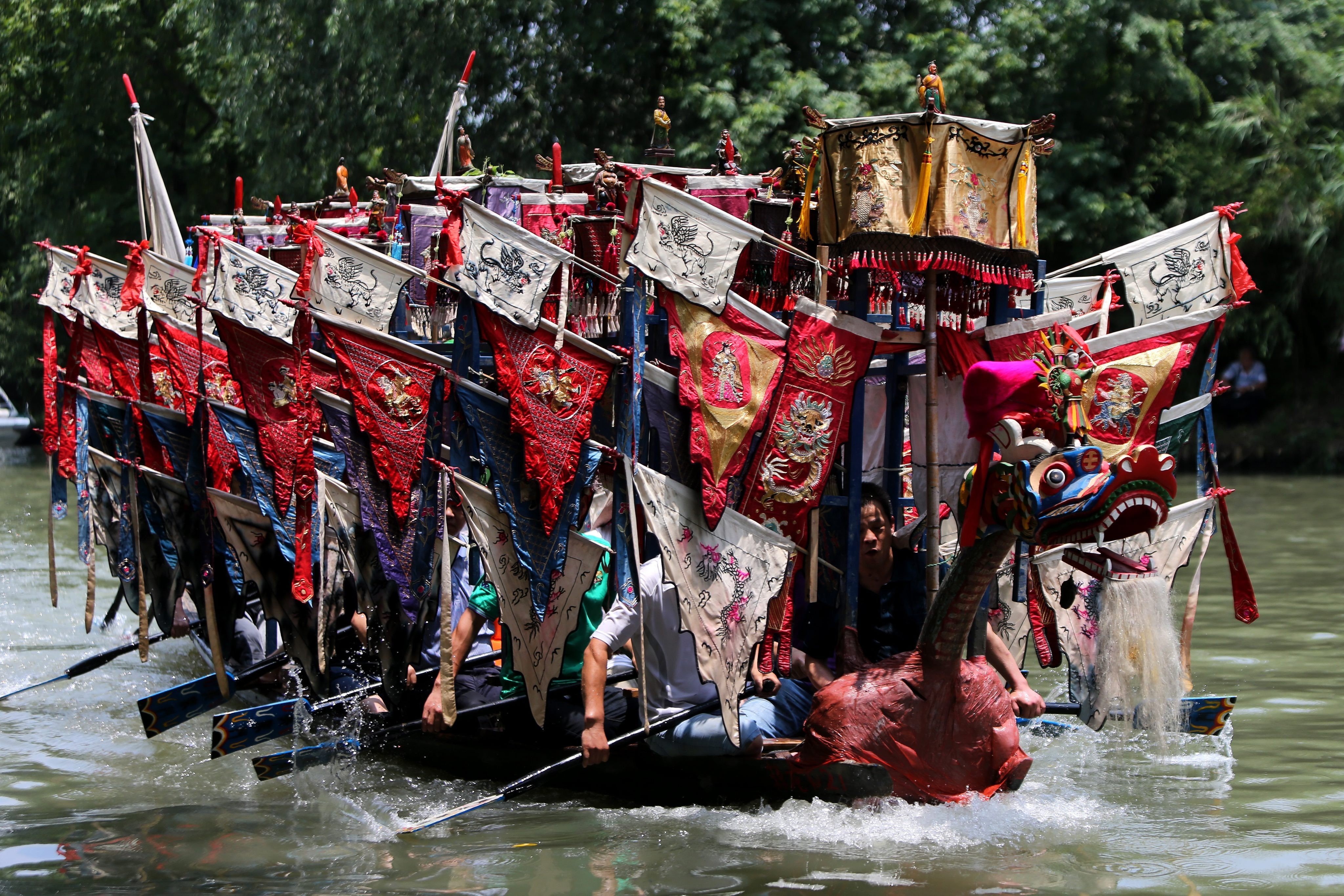
But it is the Chinese name of the festival 端午節 – Duanwu (Putonghua) in mainland China, Taiwan, Singapore and Macau, and Tuen Ng (Cantonese) in Hong Kong – that reflects its significance in the lunisolar calendar, and explains its accompanying traditions. “Wu” and “ng” refer to the sun’s position at the meridian, its highest point in the sky, and “duan” and “tuen” mean “extreme, upright”, together referring to the summer solstice, the longest day of the year in the northern hemisphere. Falling on the fifth day of the fifth lunar month, its alternate name is Double Fifth Festival.
The folklore traditions – carrying sachets of fragrant herbs, the attachment of five-colour threads with healing properties, drinking realgar wine – were for protection from midsummer plagues and pestilence.