Language MattersWhere did the word ‘godown’ come from? India, most probably via Malay
Traces of the word godown – a word meaning warehouse that goes back to the Indian subcontinent – can still be found in the waterfront areas of Hong Kong and Singapore. Old-timers will remember the city’s Godown bar

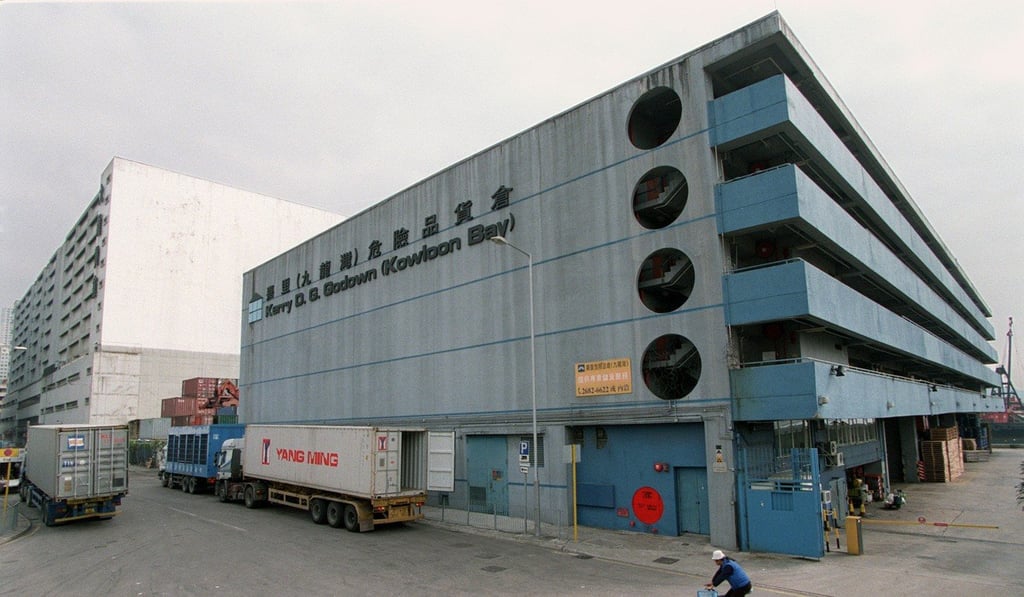
Wander down to the dock and waterfront areas in Kowloon Bay, Chai Wan or Tsuen Wan, and you might come across old warehouses bearing the word “godown”; the term also remains in the names of long-standing Hong Kong associations and companies.
Meaning a warehouse or place for storing goods, “godown” was originally used with reference to Southeast and South Asia, as well as East Africa, and is found in writings from the late 1500s of servants – officers, merchants – of the British East India Company traversing these regions; in Portuguese it was documented in 1552 as gudão.
Etymons are found in Dravidian languages – a language family spoken mainly in southern India and parts of eastern and central India, as well as in Sri Lanka – from Tamil kidangu, Telugu gidangi, Malayalam kitannu, or Kannada gadangu, meaning “store, warehouse, a place where goods lie” (from kidu, “to lie”) – and one might postulate that the word entered English (via Anglo English), and Portuguese, on the subcontinent, as many English words have done.
However, there is good reason to believe that the word’s entry into English is from Malay, as the Europeans’ earlier dealings with, and sites of early factories, lay more in the East Indies than in India. Indeed, most sources ascribe the origin of English godown to Malay gedong (also gadang, gudang, gedung), meaning warehouse or stone house, acquired by European travellers to Southeast Asia.