
Then & Now | Gloria Barretto’s Hong Kong stories gave a glimpse of the city history
Be it local plants or local life, the Portuguese botanical specialist, who was born and raised in Hong Kong, was a fount of knowledge with many an entertaining story to narrate

As someone keenly interested in human history’s ebb and flow, one friendship offered me a rare glimpse into a local family’s Hong Kong journey. Gloria Barretto’s story encompassed Hong Kong’s history from 1842 onwards. On the night of June 30, 1997, she held a party at Girassol, the old family home on the Tai Po Kau headland in the New Territories – to bid it all farewell.
Gloria’s grandfather, J. M. d’Almada e Castro, and his elder brother, Leonardo, were born in Goa, India, and moved to Macau as children. Employed by the British Board of Trade in Macau, they came with Sir Henry Pottinger in 1842 to help establish the newly formed Hong Kong government. Leonardo ended up as the equivalent of today’s director of administration and served until his death, in 1875. One daughter became a nun, and Glenealy, the house he provided for the Canossan Order, subsequently became the site of the Italian Convent and Roman Catholic Cathedral, in Central.
Gloria’s father and uncles were pioneers and prominent figures in Hong Kong’s legal world. Her barrister brother Leo d’Almada e Castro, Hong Kong’s youngest Legislative Council member when he was appointed in 1937, later became the first local king’s counsel.
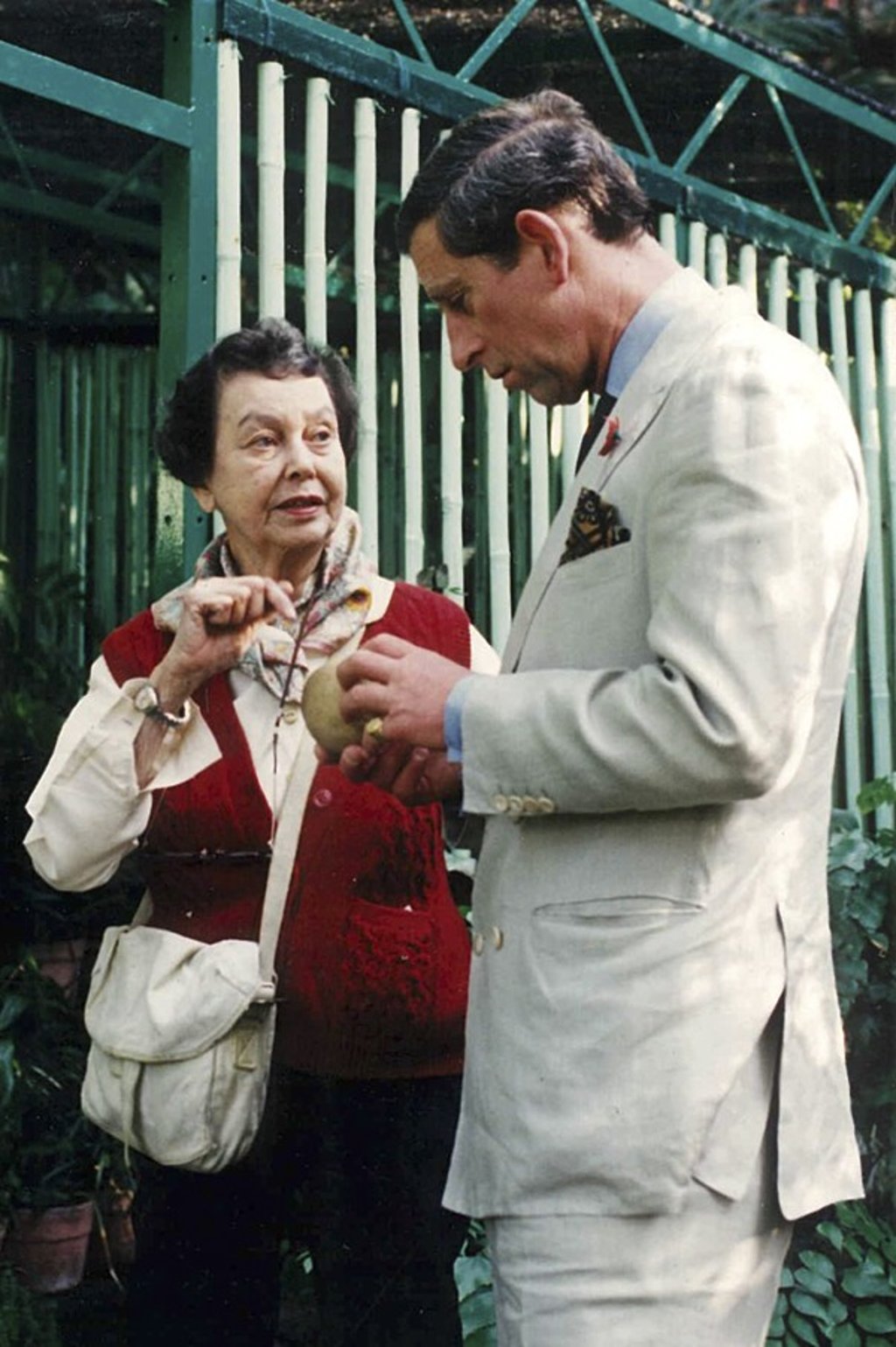
Gloria was a fund of entertaining stories about Hong Kong’s past – usually related over afternoon tea and a walk around the garden, when these and other characters were brought magically back to life. Born in 1916, she grew up between the wars in d’Almada Bungalow, a large house with a lychee orchard in rural Fanling. An adventurous, nature-loving child, Gloria chased KCR trains on her pony, became a crack shot and developed a lifelong interest in local plants and, eventually, conservation.
Local Portuguese civilians were considered “third nationals” by the Japanese during the occupation and were not interned. Gloria would smuggle messages, medicines and once – with the connivance of a Japanese guard – herself and her sister-in-law, Tilly, into Sham Shui Po prisoner-of-war camp to see her husband, Alfonso. War stories were invariably told in a self-deprecating, bemused manner that belied both risk and heroism.