Then & NowPatent medicines Hongkongers took to avoid Western doctors, and why they set such store by them
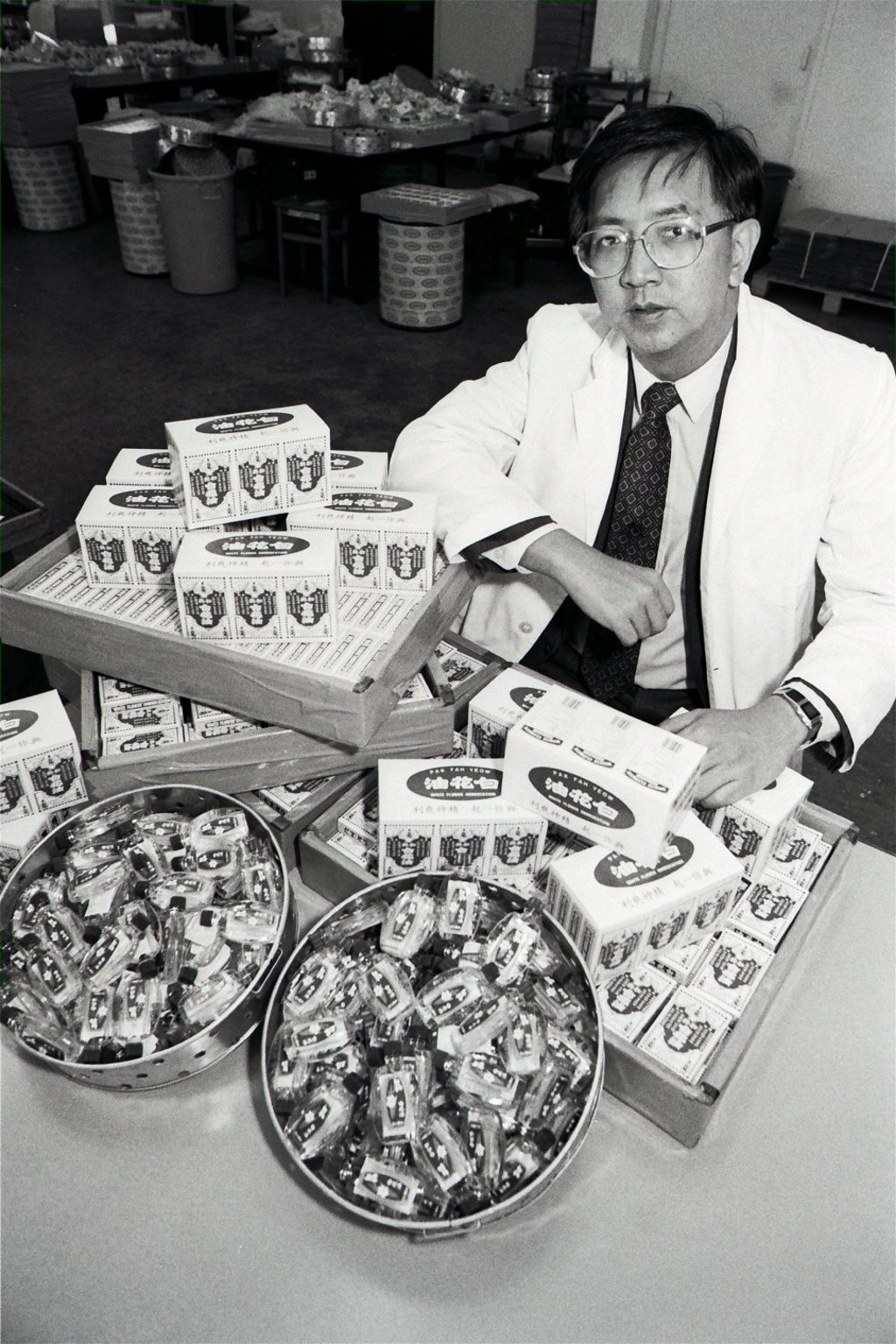
Well into the 20th century, Chinese patients preferred remedies such as Po Chai pills and White Flower Oil to seeing Western-trained doctors, either on cost grounds or for fear of losing a body part to surgery - a no-no in the afterlife

Western-trained medical doctors gained widespread public acceptance in Hong Kong only in relatively recent times. In the 19th century – and well into the 20th – emphasis on surgery put traditionally minded Chinese patients off going to a Western-trained practitioner, often until it was too late for them to be saved.
People would literally rather die than risk entering the next world limbless, eyeless or minus other essential body parts, largely out of fear that they would spend the rest of eternity crippled, blind or worse if they submitted to an operation.
A steely logic ran through this thinking: the traditional Chinese view was that posthumous existence would be exactly the same as earthly life, and the physically disabled would be discriminated against and ridiculed for their misfortunes. Such attitudes, closely related to Buddhist notions of karma and retribution for previous misdeeds, have only recently given way to more relaxed thinking.
Fees were also a major consideration. Doctors and herbalists cost money, and as most Chinese people lived only a few rice bowls away from starvation, medical practitioners were consulted only when absolutely necessary. Herbalists, being scantly regulated, were far cheaper to consult than trained medical practitioners, and thus tended to get more business.