-
Advertisement
PostMag
Life.Culture.Discovery.
Old Hong Kong
MagazinesPostMag
Jason Wordie

Then & Now | From opium wars to HSBC, writer Maurice Collis brought Asia to vivid life

Disliking the widespread racism of the day, the British author brought an enlightened thoughtfulness to his work, treating his subjects with sympathy, empathy and understanding

Reading Time:2 minutes
Why you can trust SCMP
Maurice Collis dramatised the life of China’s Empress Dowager Cixi, pictured above with the wives of foreign diplomats and their adopted orphan. Picture: Alamy

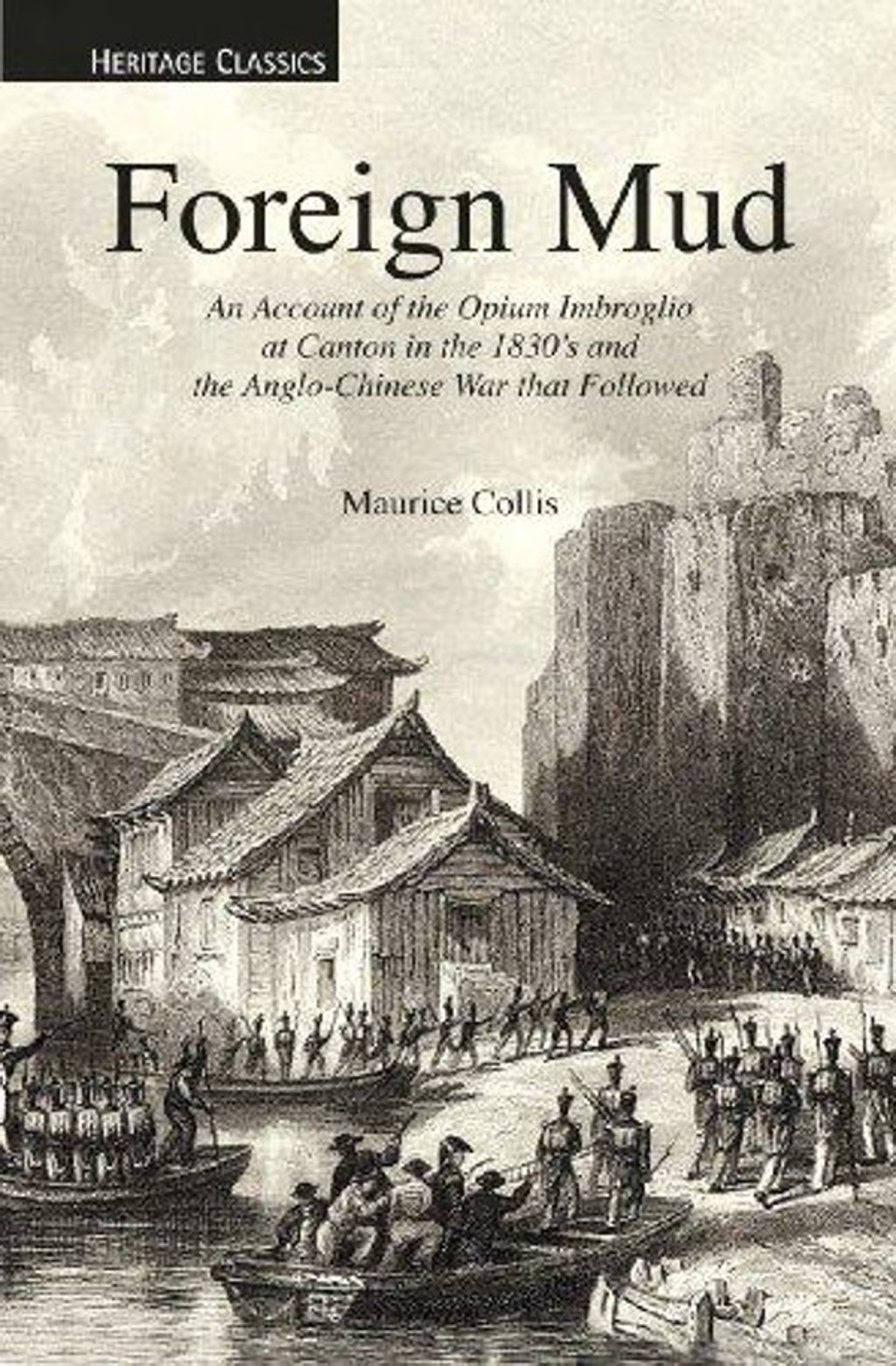
Maurice Collis, who wrote Foreign Mud: Being an Account of the Opium Imbroglio at Canton in the 1830s and the Anglo-Chinese War that Followed (1946), an enduring histori­cal acc­ount of the early establishment of colonial Hong Kong, never actually lived here.
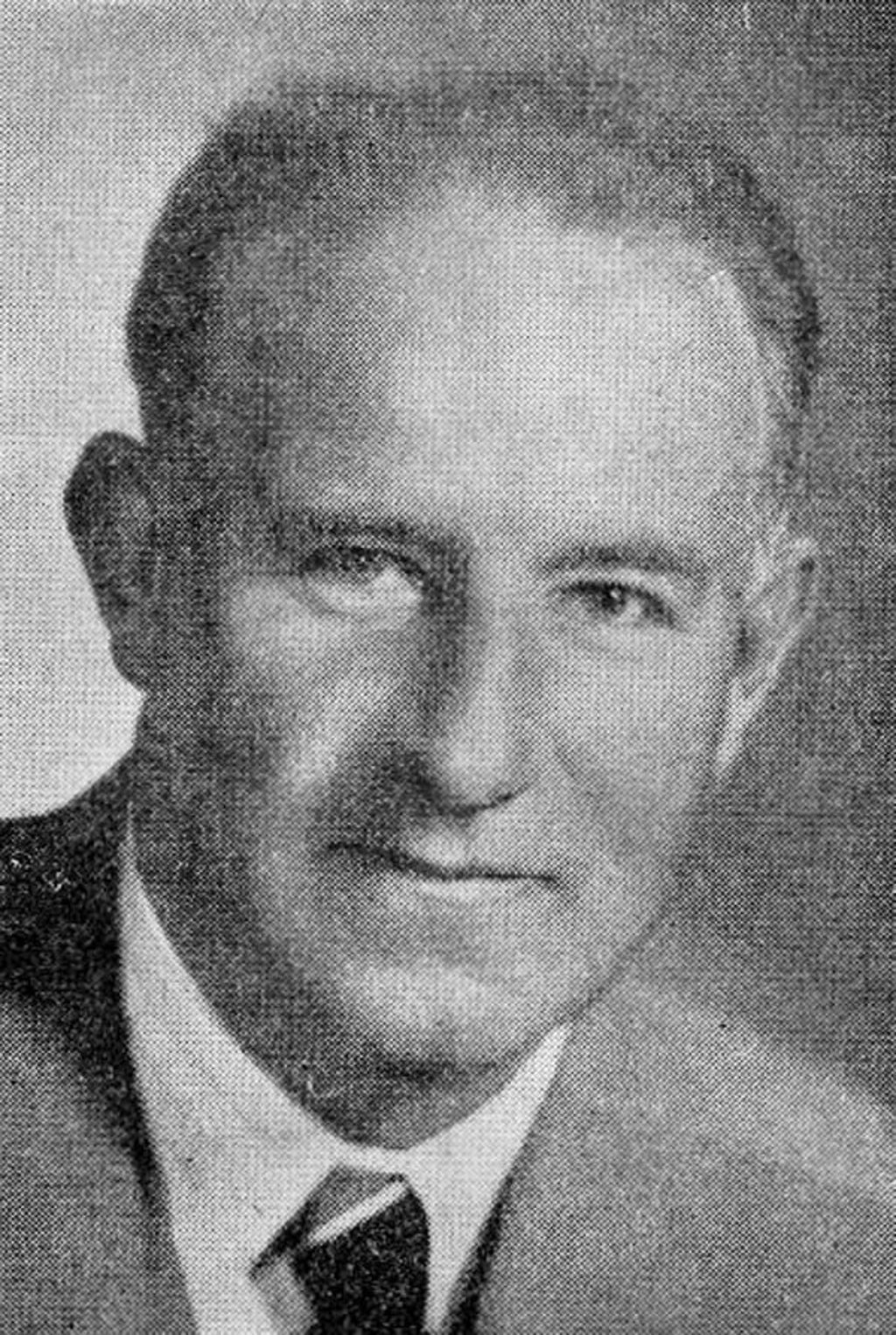
Maurice Collis
Maurice Collis
Of Anglo-Irish descent, Collis had a clear eye for the unpleasant nuances of race relations that were sadly commonplace among his generation. In the manner of open-minded individuals, whose apprecia­tion of the world was driven by wonder at what they saw, heard, smelled and experi­enced, Collis regarded the racism he encoun­tered in the course of his life in Asia with an incomprehension and dislike that is reflected in his writings.

His Burma memoirs, inspired by service there as a government administrator from 1912 onwards, remain minor classics of their time. After leaving the colonial service in 1934, he concentrated on writing for the rest of his life. Collis brought to the craft the same combination of dili­gence, imagination and enthusiasm that characterised his earlier administrative career. This happy blend led to a remarkably varied literary output over the span of a few decades; novels, histories, plays and mem­oirs were produced at regular intervals – usually one every other year. Earlier works such as She Was a Queen (1937) and Siamese White (1940) drew heavily on his Burma experiences.
Advertisement
Foreign Mud by Maurice Collis
An enduring interest in Asia produced several China-related works. Unsuccessful British attempts from the early 17th century to foster diplomatic relation­ships with China, which eventually led to the establishment of Hong Kong, inform The Great Within (1941). The Grand Peregrination (1949) expands upon the exciting trans-Asian travel narra­tive of 16th-century Portuguese adventurer Fernão Mendes Pinto, while Marco Polo (1950) transforms The Book of the Marvels of the World (c. 1300), which recounts the Venetian explorer’s adventures, into a highly readable travel account, with extensive region­al context and a compelling biograph­ical sketch of Polo himself.

The Motherly and Auspicious (1955) provides a dramatised version of the life of China’s Empress Dowager Cixi. Collis’ telling offers sympathetic treatment of a complex figure frequently, and often unfairly, reviled in modern Chinese history.
Advertisement
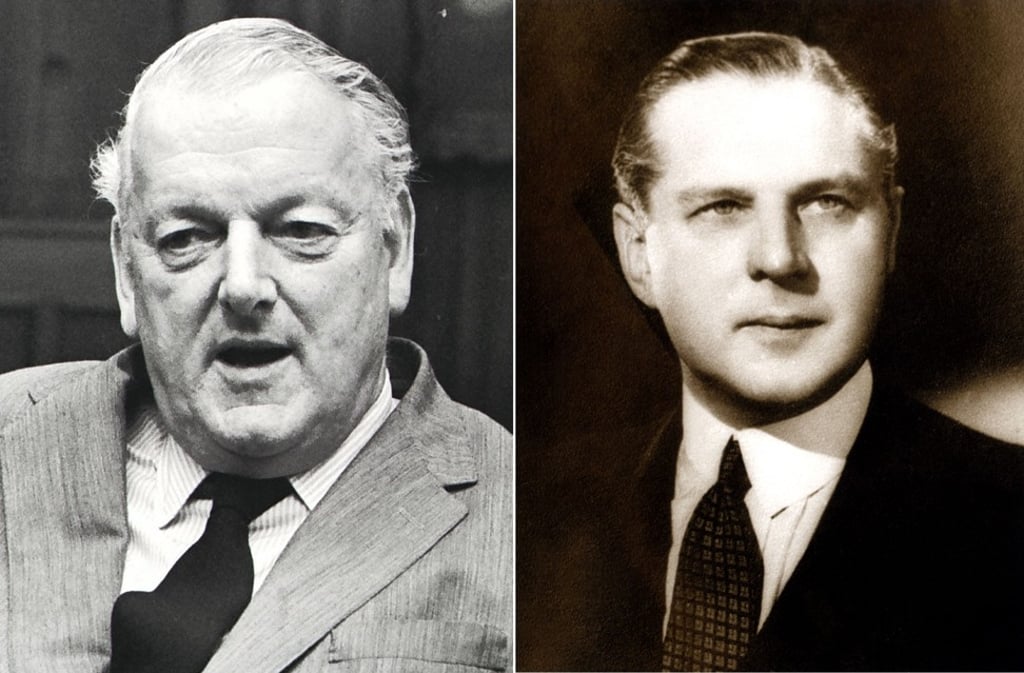
John Keswick (left) and Tony Keswick.
Advertisement
Select Voice
Select Speed
1.00x