
Then & Now | What do Donald Tsang, Thomas Kwok and scores of Hong Kong men have in common?
As this Post Magazine columnist takes the grey leap, he ponders on Hong Kong men’s obsession with all-black glossy manes

Entire shelves at local pharmacies are filled these days with hair dyes, styling products, conditioners and restoratives. Herbal hair treatments have been commonplace for centuries in China, and widely resorted to by both sexes.
Traditionally, various kinds of wood shavings were steeped in boiling water, to extract pigments and oils, before hair was washed with the liquid. Such concoctions also contained lacquer, which kept hair firmly in place, while hair oils and other styling agents helped fix elaborate coiffures with minimal maintenance.
For much of the 20th century, thick, glossy brilliantine, often scented with jasmine, lavender or rose, was widely used by both men and women.
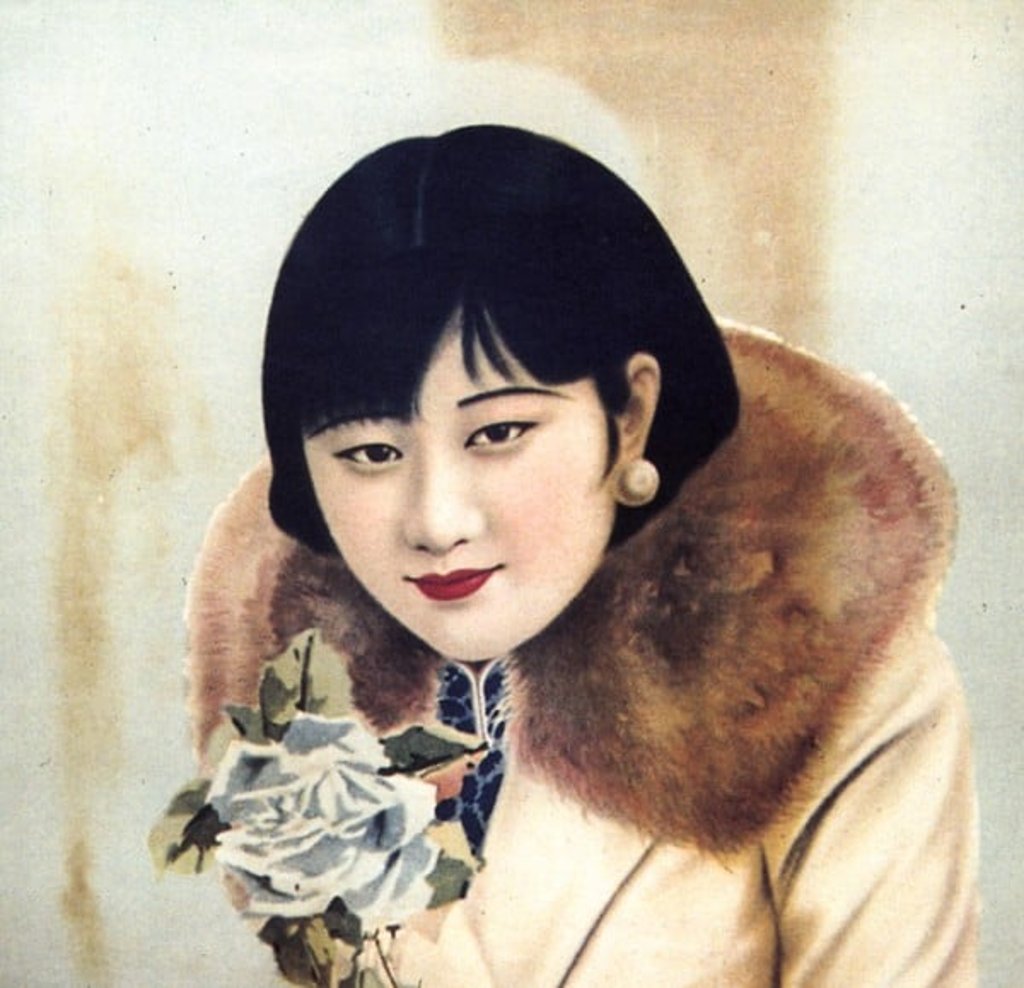
Permanent waves became popular with women in the 1930s, partly due to Shanghai’s influence, and had become universally favoured by the 60s. Around this time, some Chinese men also went in for elaborate perms, in partial imitation of Elvis Presley’s ducktail style. These days, however, few Hong Kong males – with the exception of ageing New Territories gangster/legislator types, for whom the 80s never ended – sport a curly perm.
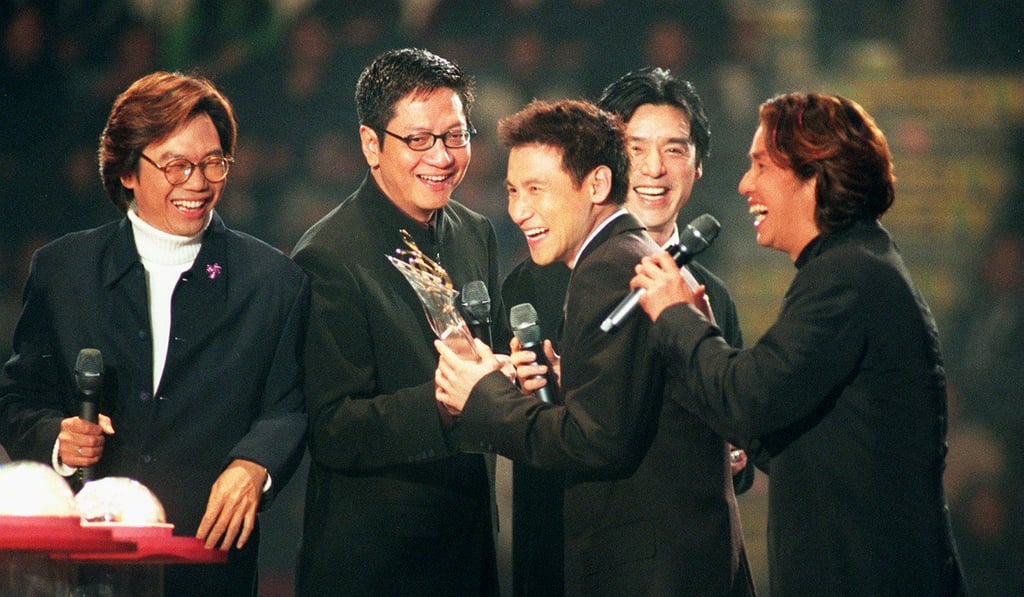
Another 80s and 90s Hong Kong look – blond highlights and the coppery redhead effect – is now passé on men. There was a time when such contrived affectations – much like multiple earrings, body piercings and brightly coloured tattoos – gave the wearer a sexy, “naughty boy” vibe, but today the Mong Kok jai look has little shock value. Occasionally, bright statement hair colours – pink or blue or green or similar – can be spotted, but these are usually only possible for those whose employment status doesn’t depend on a conservative look.