Advertisement

Reflections | What India’s Hindu hardliners and Han Chinese nationalists have in common
China’s hanfu movement and the denouncing of the Taj Mahal as a ‘blot on Indian culture’ by a member of India’s ruling Bharatiya Janata Party are both attempts to dilute the past
Reading Time:1 minute
Why you can trust SCMP

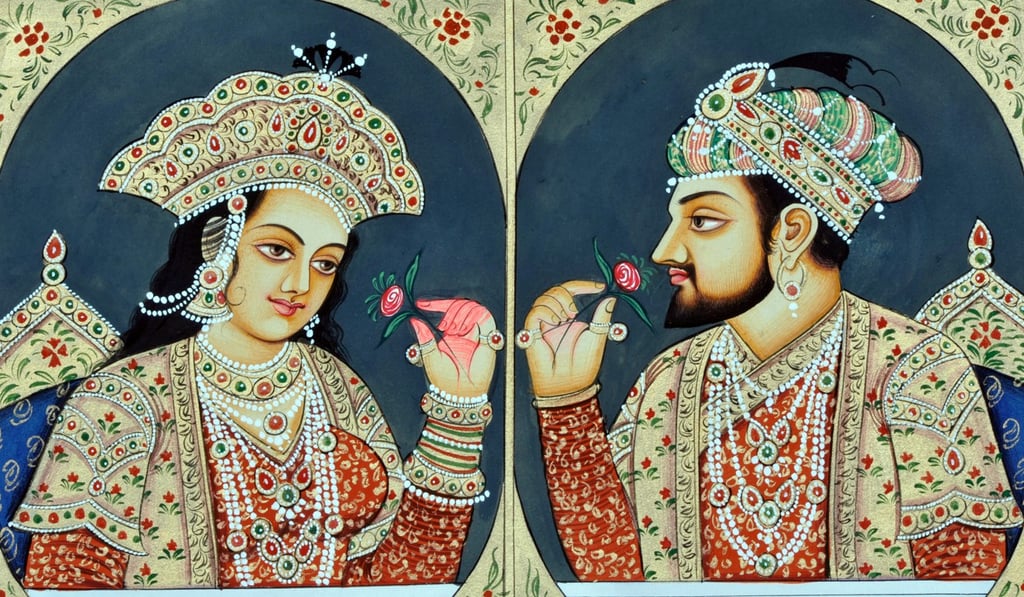
Some of the more fanatical members of India’s ruling Bharatiya Janata Party, itself known for championing right-wing Hindu nationalism, have called the Taj Mahal “a blot on Indian culture”. These incendiary words are among the latest salvoes in the attacks on India’s Islamic past by Hindu extremists. The Muslim Emperor Shah Jahan had the Taj Mahal constructed between 1632 and 1654 as a mausoleum for his favourite consort, Mumtaz Mahal.
It may be hard for some of the holier-than-thou Muslims in Malaysia to reconcile their present Islamic piety with the animistic folk religions and the Hindu and Buddhist faiths of their ancestors before Arab missionaries and traders brought Islam to Southeast Asia. And so they try not only to forget it themselves but also to make everyone else forget it.
Advertisement
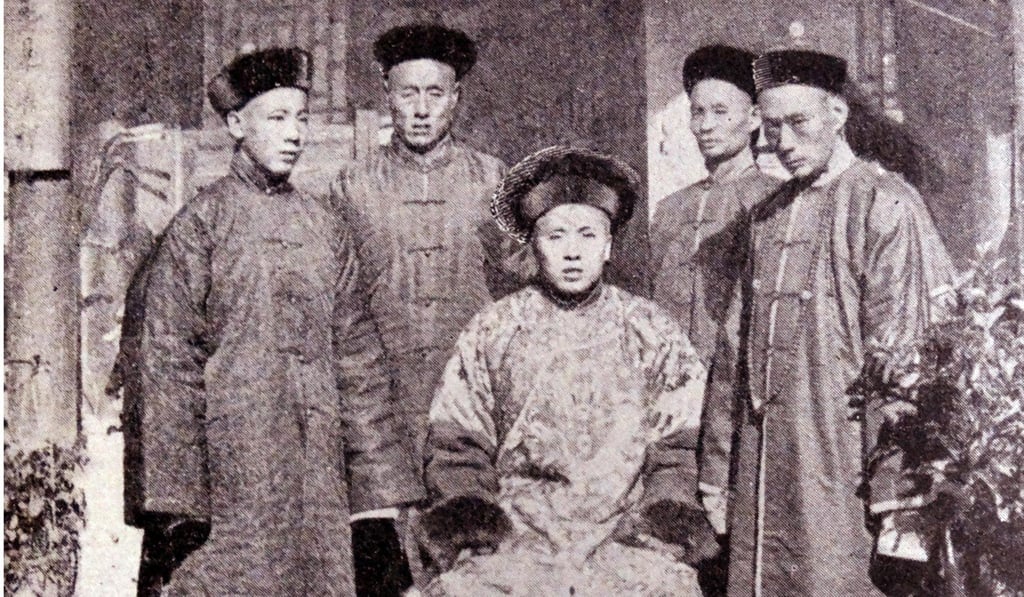
This deliberate historical amnesia is also present in some of the advocates of China’s hanfu movement, who are pushing for the revival of the traditional clothing of the Han Chinese.
Advertisement
Advertisement
Select Voice
Select Speed
1.00x