Language MattersHow catty and tael entered the English language, along with picul, mace and candareen – Asian weight measurements
Measures of weight taken from Malay and Javanese and in wide use in East Asia were adopted by early European settlers and passed into English, giving the language caddy – a box for holding tea

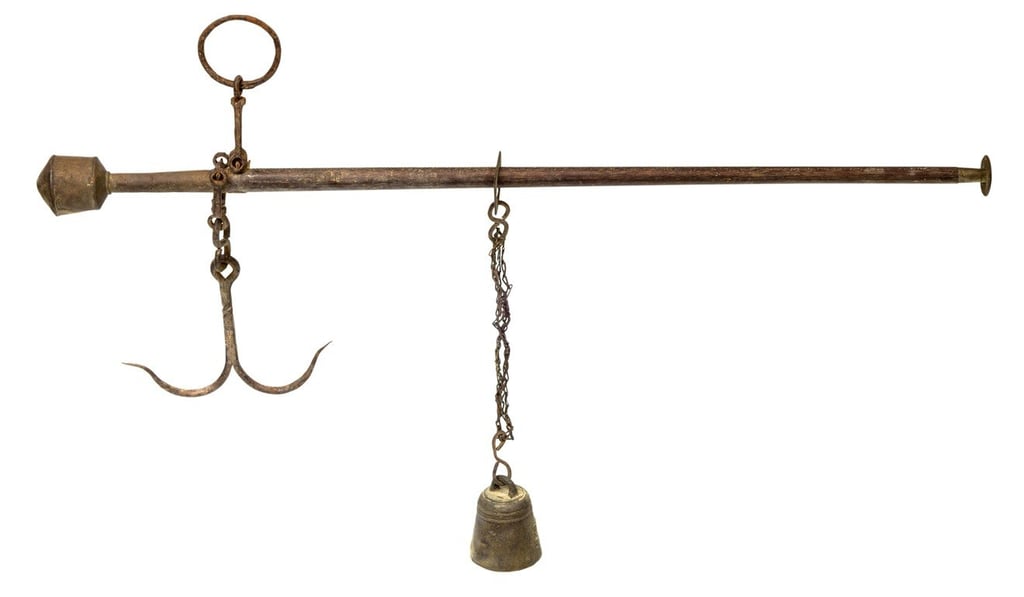
Those who frequent traditional retail outlets in Hong Kong (herbalists, goldsmiths, wet markets) will have dealt in weight measurements of the Cantonese kan/gāan and léung. These units – silver ingots in late imperial China weighed a nominal liǎng, equivalent to a léung – are used across East and Southeast Asia, with the trade names catty and tael respectively.
A catty – comprising 16 taels (since the 16th century; in the 14th century it was 20 taels) – is traditionally equivalent to one pound avoirdupois, formalised as 604.78982 grams in Hong Kong, with similar values for Singapore’s and Malaysia’s kati; but rounded to 600g in Taiwan, Japan, Korea and Thailand. China’s more specific market catty, the shìjīn, is rounded to 500g, distinguished from the metric catty gōngjīn, the kilogram.
Live the history of Hong Kong, how it grew from colonial opium trading outpost to global finance mecca