Why New York, Mumbai and Guangzhou were once known by other names
- Colonialisation, a change in the prevailing political ideology and financial gain have all been reasons for places to rebrand
- For London commuter suburb Staines-upon-Thames, it was humiliation at the hands of comedian Sacha Baron Cohen

Towns and cities change names for a number of reasons. The revamp might be to reflect new rulers and a shift in the prevailing political ideology. Or it could be to move on from a colonial past or to celebrate the achievements of a public figure.
In some cases, the switch is to erase an embarrassing name – Sexmoan (the Philippines) and Gay Head (the United States), for example – or to purge a moniker that has negative connotations. The town council in Asbestos, in Quebec, Canada, recently presented residents with a choice of four less carcinogenic-sounding alternatives for them to rank in order of preference. There are even instances of places agreeing to a rebrand in exchange for financial gain …
In a 2005 deal with a satellite television company, Clark, Texas, became Dish, Texas. As part of a guerilla marketing campaign, all 55 homeowners were granted a free 10-year subscription while the EchoStar Corporation benefited from a spike in brand awareness that traditional forms of advertising couldn’t compete with. On being asked by a New York Times reporter whether he preferred Clark or Dish, a resident replied, “I wished Jack Daniel’s would have looked us up.”
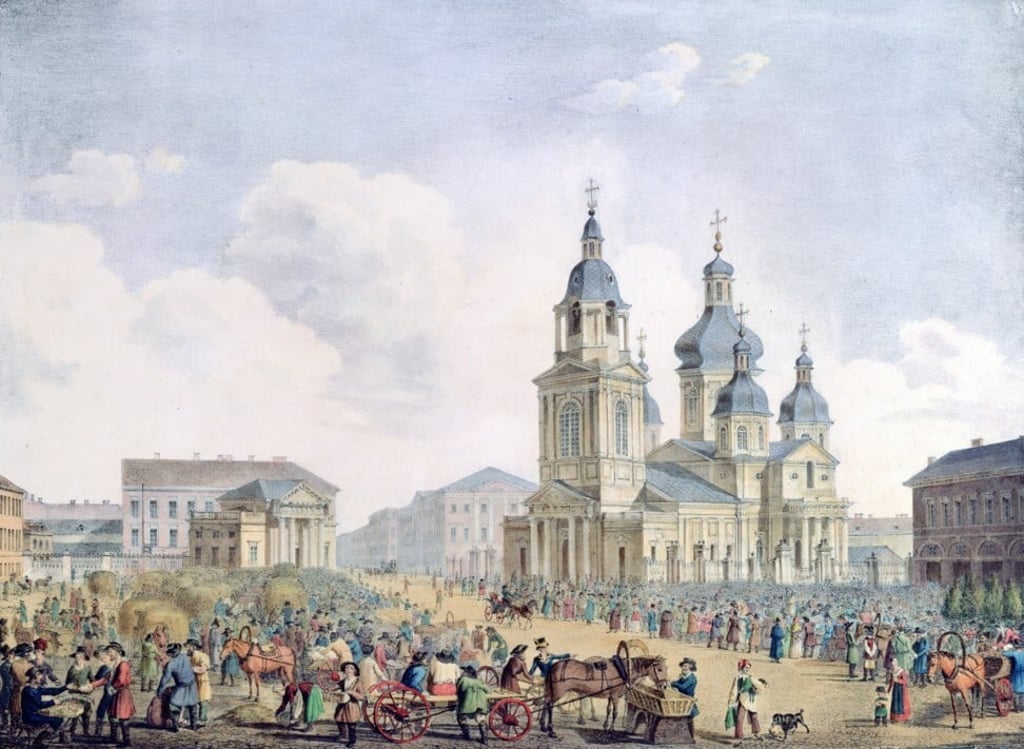
Founded by Tsar Peter the Great, St Petersburg has endured more name changes than your average KGB spy. The city was known as Petrograd when, in October 1917, it found itself at the epicentre of the Bolshevik revolution that led to the fall of the Russian monarchy and the rise of the Soviet Union. It became Leningrad in 1924 before returning to its original name in 1991. Russian President Vladimir Putin’s hometown has also been called Petersburg, Sankt-Peterburg and Piter by locals – and the Venice of the North by tourism PR agencies.
Not many places change their name after being made fun of by a comedian but, in 2012, business owners in Staines convinced borough councillors to rename the middle-class English town Staines-upon-Thames. The switch came about after the London commuter suburb was parodied by spoof rapper Ali G. Opinions were divided: the chairman of the business forum claimed Sacha Baron Cohen’s alter ego “put the stain in Staines” while the local football club called the decision “pretentious”.