The Russian hotelier who brought Nepal’s first tourists, and his legacy
- Known as the father of tourism in Nepal, Boris Lissanevitch is remembered fondly in Kathmandu
- He opened the Himalayan nation’s ‘first proper hotel’ and put Ukrainian borscht on its menus

Few people involved in the travel industry have led a life as tumultuous – and joyous – as Boris Lissanevitch. Born in Russia, he fled to China after the 1917 revolution, then gravitated to Nepal in the 1950s. There, off his own bat, he kick-started tourism – no mean feat given that the then kingdom had changed little since medieval times.
An inspired entrepreneur rather than a financial genius, everybody’s pal and an Olympic-level raconteur – especially of tall tales – Boris may have died at the age of 80, in 1985, but he lives on in the memories of scores of old friends and colleagues, both Nepalese and expatriate.
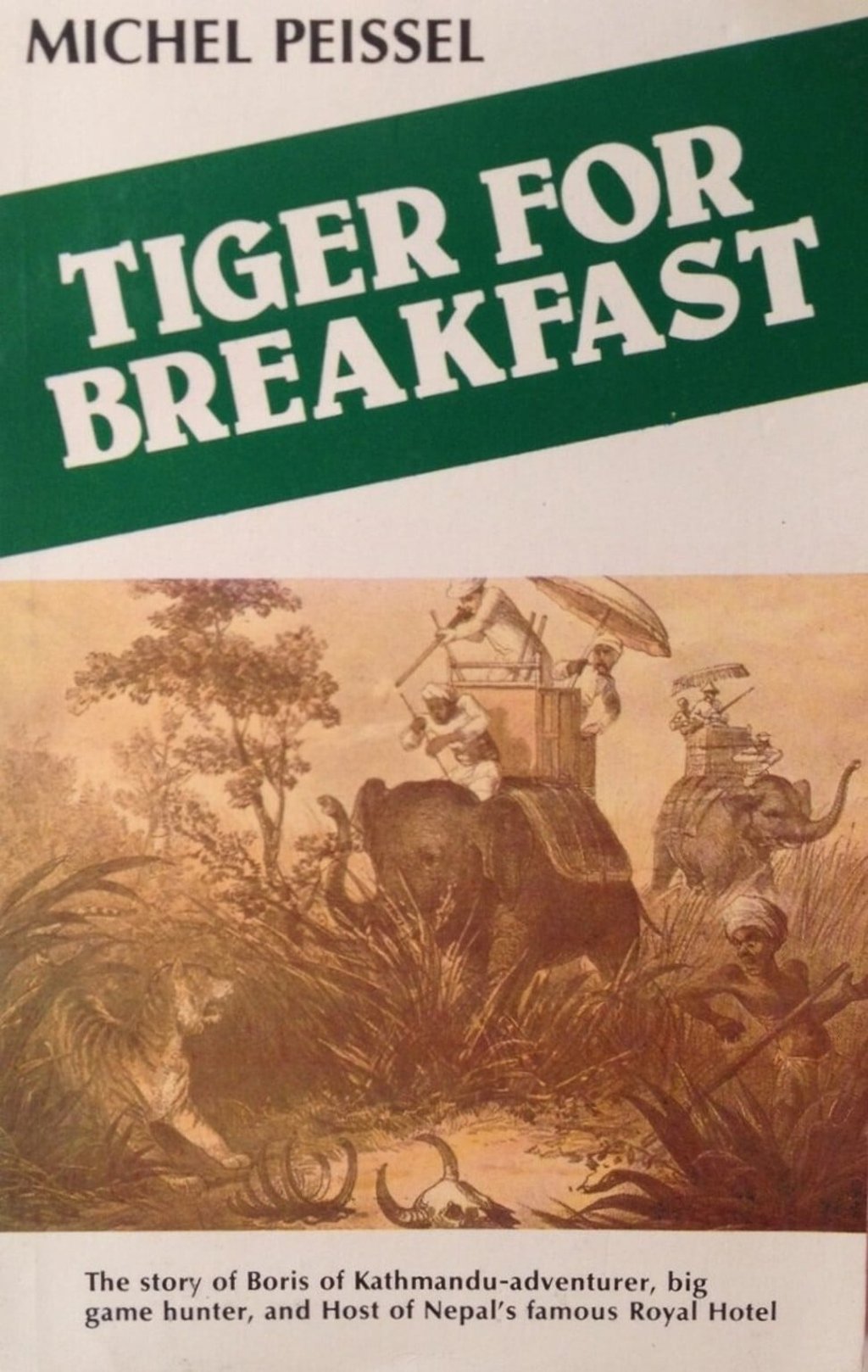
Boris’ life was written up in Tiger for Breakfast (1966), a near hagiography by Swiss ethnographer Michel Peissel. The book relates how Boris fled Odessa for Paris in 1924 and then – accompanied by his wife, Kira Stcherbatcheva – sped to Shanghai, where they hit the big time staging a burlesque dance show, The Gay 1900s.
Enamoured of Asia and its multifaceted opportunities, Boris shifted to Calcutta, where he launched the 300 Club, which was open 24 hours to anyone whatever their ethnicity as long as they were rich enough. King Tribhuvan of Nepal soon became a friend as well as a favoured member, and he invited Boris to Kathmandu, where the resourceful Russian émigré – accompanied by his second wife, Inger – struck a deal with another member of the royal family to open a hotel in a former palace, in 1951.
The Royal Hotel swiftly became not only the capital’s premier accommodation, but its social centre as well. Bonnie Ellison, then nine, was an early guest, her agricultural engineer father having been posted to Kathmandu as part of an aid project in 1956.