ReviewCan anyone ‘own’ land? Author Simon Winchester explores the history, morality and legalities of such claims
- The British-American writer peppers his book Land with anecdotes and wry observations
- However, the reader might have been better served had the author lingered more on Asia

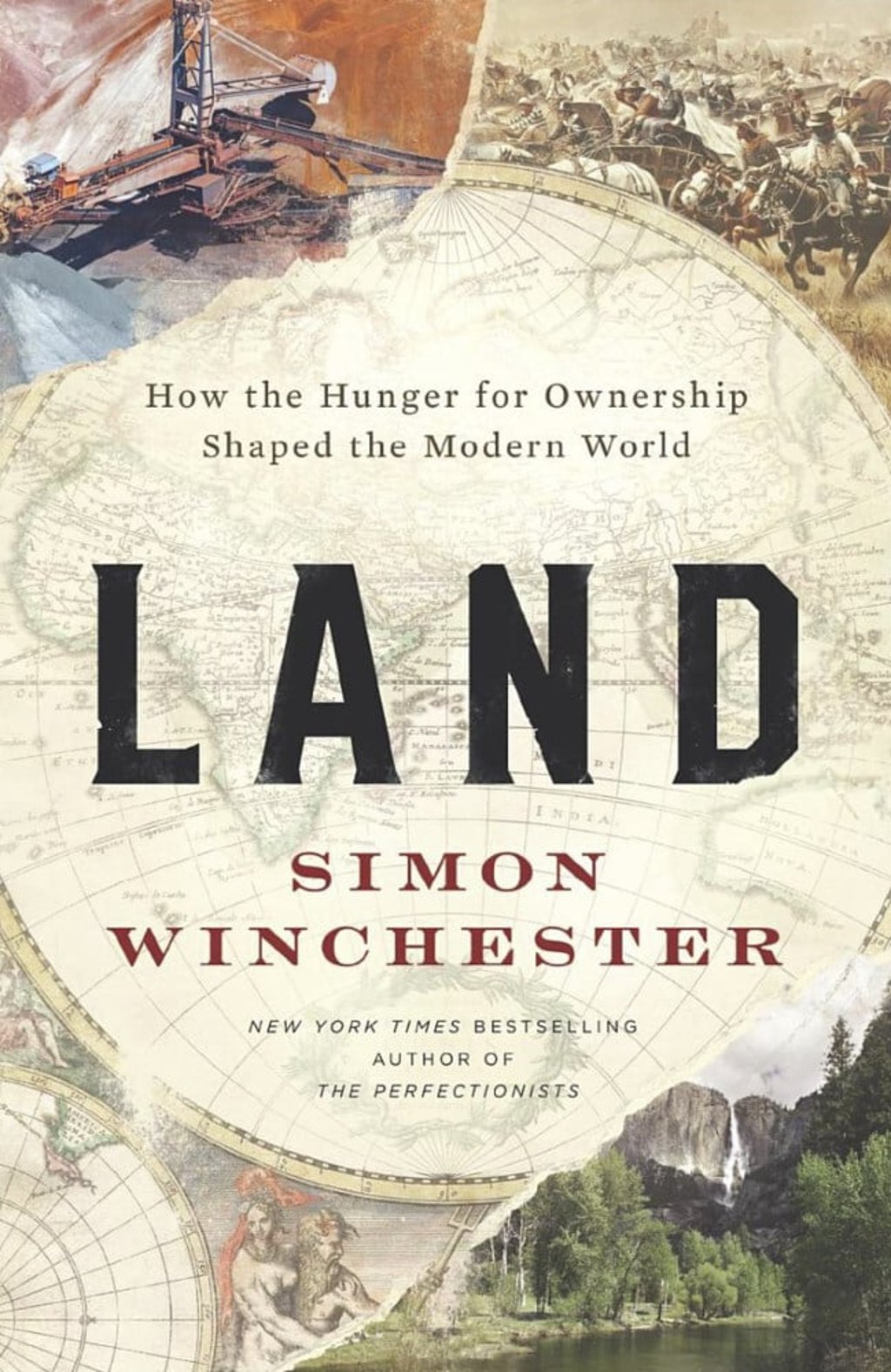
Land
by Simon Winchester
Harper Collins
3.5/5 stars
Just before the turn of the century former Guardian, Sunday Times and Condé Nast Traveler journalist Simon Winchester bought a 123½-acre (0.5 square kilometre) piece of New England, in the United States. But he did so with some mental caveats.
“What does my ownership of this land truly signify?” he mused. “What does it mean, to own land? Surely land is an entity that cannot really be owned, by anyone.”
As the author of 1998 bestseller The Professor and the Madman goes on to recount at length in Land, many have had this thought before him.
“The aboriginal Australians, the Maori, the Canadian First Nations populations, the Inuit who inhabit the high latitudes from Siberia to Alaska and back again, the Aztecs, the Incas, the North American Indians – to all and each of these, land was a commodity so precious and so life-giving that it was indeed to be shared by all, and owned by none,” explains Winchester.