Review | Three books about lying: from fictional ‘fake words’ to the very real difference between lies and BS
- Debut The Liar’s Dictionary from Eley Williams is a pitch-perfect lexical romp filled with flawed-but-adorable characters and delightfully inventive words
- On Bullshit and Calling Bullshit attempt to educate about the nature of BS, and also call it out

Fiction
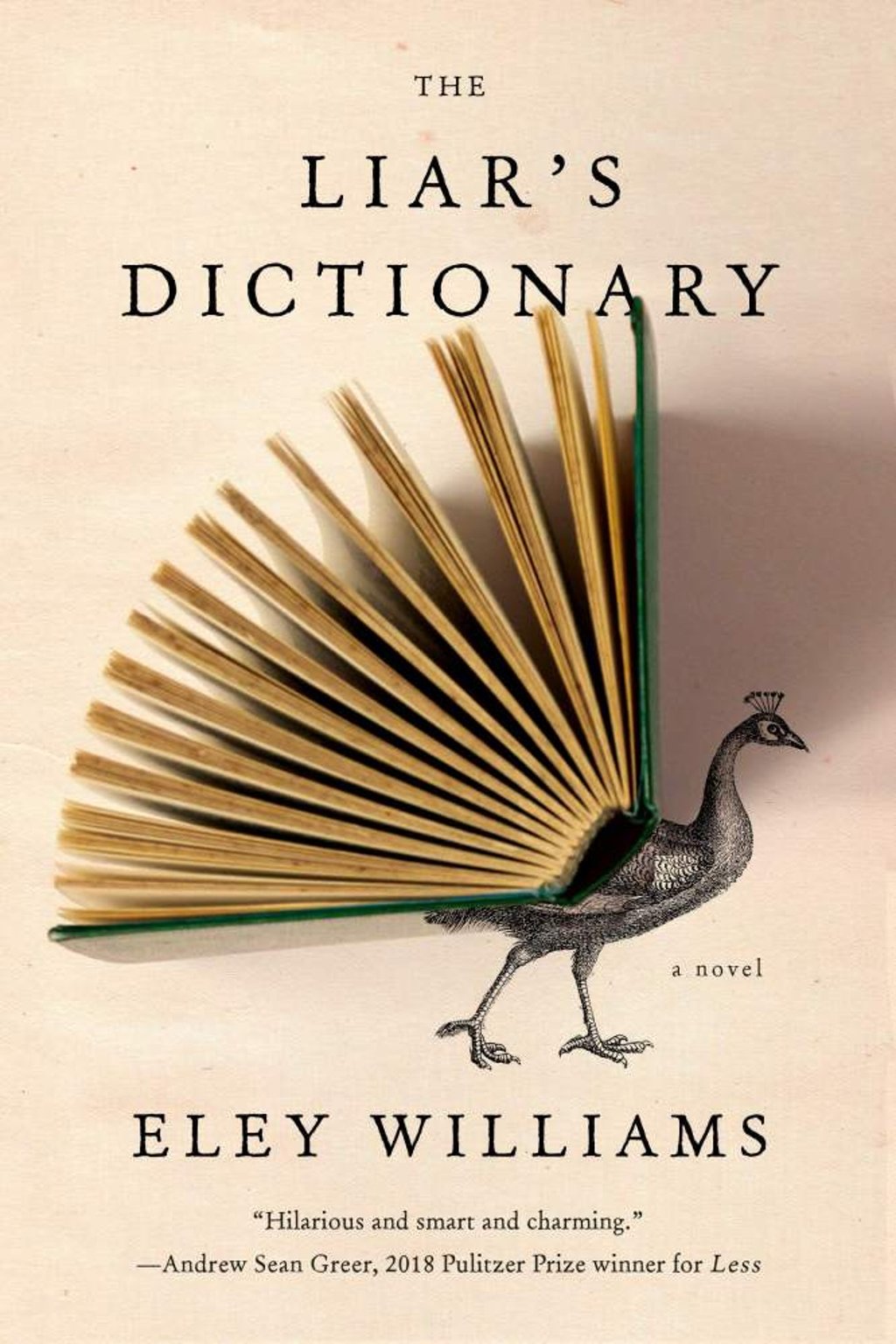
The Liar’s Dictionary
by Eley Williams
Doubleday
We’ve heard of fake news, so fake words should not come as a surprise. But be prepared to be dazzled by the “mount-weazels” around which Eley Williams constructs her hilarious novel, The Liar’s Dictionary. The weaselly neologism was coined to refer to the fictitious entries that serve as copyright traps in dictionaries and encyclopaedias. One per edition is all that is needed to nab copycats.
The problem is that at least two have been inserted into Swansby’s New Encyclopaedic Dictionary. It is up to young intern Mallory, the present-day narrator, to find the bogus words before the dictionary is digitised. That “the first, last and only physical edition of the incomplete Swansby’s had come out in the 1930s” indicates the importance of the task, especially to editor-in-chief David Swansby, a descendant of the dictionary’s Victorian founders.
Chapters arranged alphabetically also tell the story of Mallory’s 19th century predecessor, Peter Winceworth, a lexicographer so comfortable with untruths that he affects a lisp to make himself more endearing, and amuses himself by making up words. Both he and Mallory tussle with love, she with her female “flatmate”, he with a woman he can never have.
Williams’ first novel is a pitch-perfect lexical romp filled with flawed-but-adorable characters and delightfully inventive words. That include cassiculation (n): the “sensation of walking into spider silk”.
Non-fiction
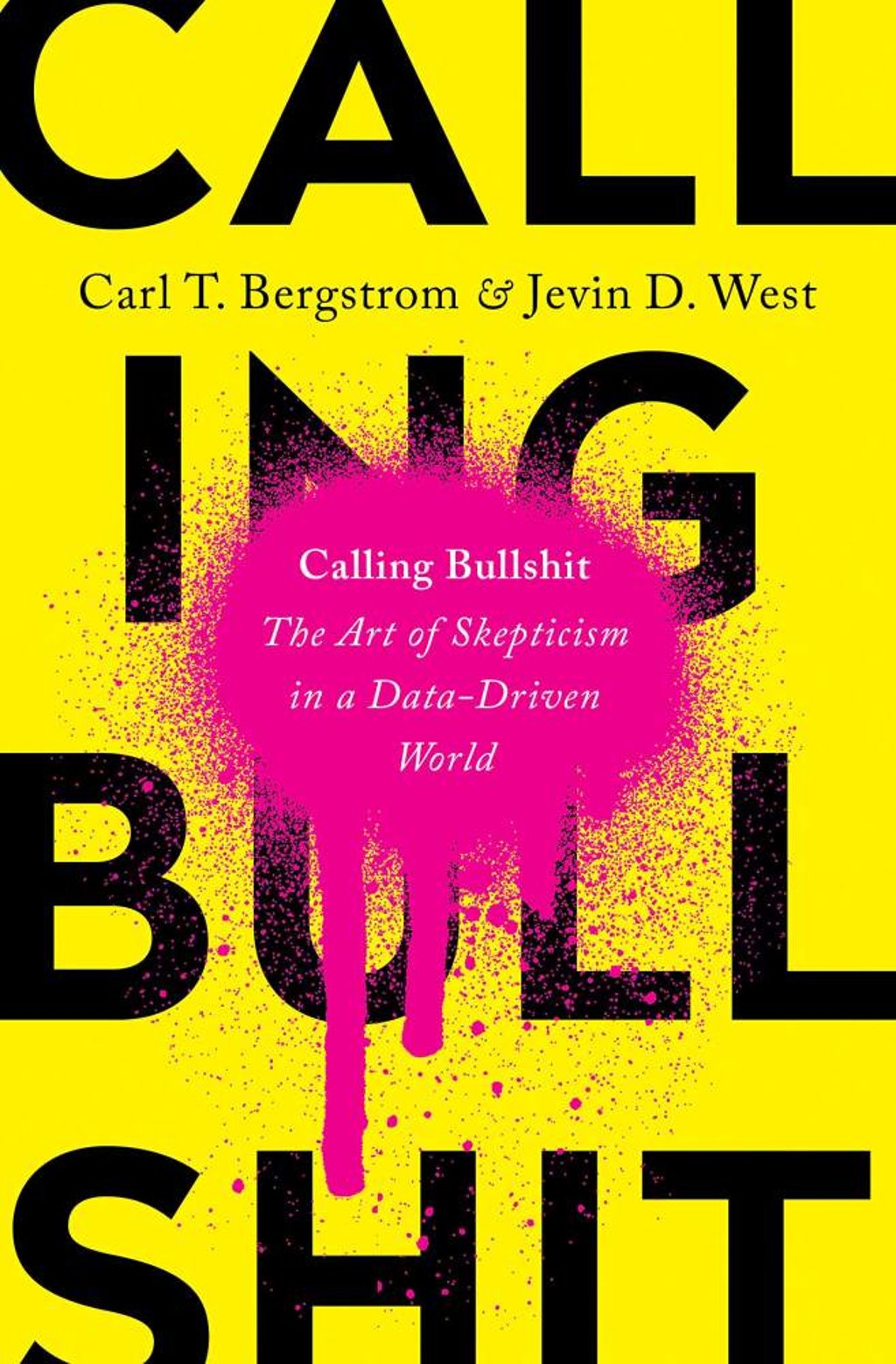
Calling Bullshit
by Carl T. Bergstrom and Jevin D. West
Random House