Then & NowPaintings of landmarks, portraits, nostalgic depictions of home – how art tastes developed among Asia’s early expats
- Uniformity of aesthetic tastes among small-pond expat worlds scattered across Asia created a ready market for artists
- Various travelling artists made a solid living through painting old residents and new arrivals, with George Chinnery among the most well known

Art for art’s sake was not something found in Hong Kong until relatively recently.
Periodic large-scale international art sales offer a convenient way for more-than-tepid money to be parked in portable assets that can then be left to quietly accumulate in value, discreetly away from prying eyes – or auditors.
At major art fairs, some extraordinary items are intermittently offered for sale. Until Kanye West’s sneakers broke sales records as “a piece of art”, this writer had never heard of this piece of otherwise unremarkable footwear’s short-term occupant – probably one of the few on Earth who hadn’t.
But what was considered desirable artwork in resolutely mercantile societies such as Hong Kong in earlier times? And how have these definitions shifted over time? For many consumers – perhaps most – an “artwork” was ultimately something decorative to hang on the wall, to break up an otherwise unrelieved expanse of painted plaster. Original artistic taste was always a bit “suspect”, though of exactly what was seldom defined. Versions of more modern art usually took a generation or two to become familiarised into acceptability.
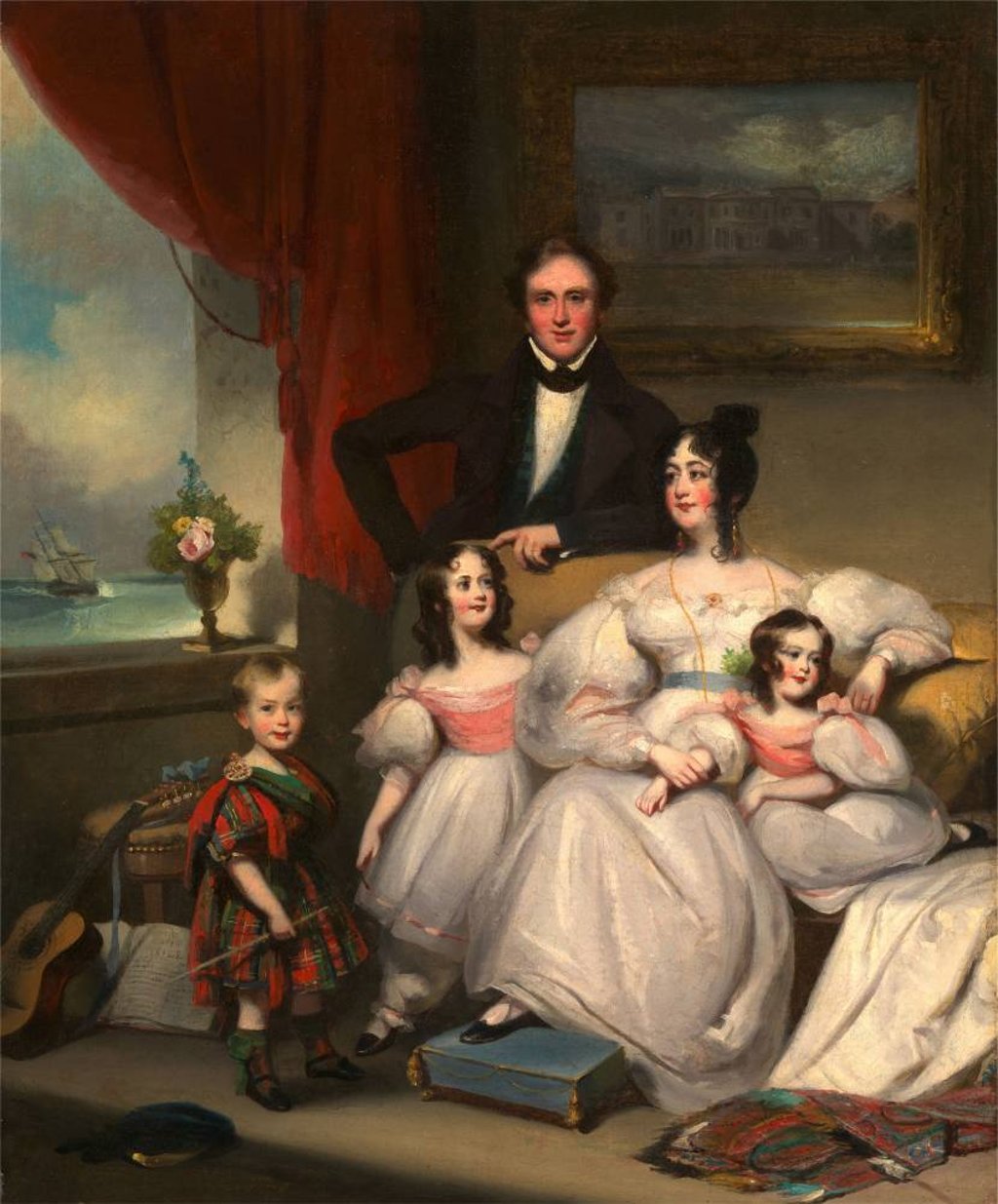
China Coast artwork was mostly representative of familiar surroundings, and was created for – and sold to – people who wanted a pictorial depiction of something readily recognisable.
Every Asian port city, from Calcutta to Kobe, inspired numerous iterations of civic views that everyone who had ever been there would readily remember.