ProfileBrazilian capoeira master ‘Eddy Murphy’ on teaching China the martial art, and how he got his nickname
- Born in the slums of São Paulo, in Brazil, Edilson Almeida had to fight the odds just to survive, until he was introduced to capoeira when he was nine years old
- At 54 and after two decades in Hong Kong, China and Macau, he is one of five masters in the premier organisation teaching the martial art, he tells Ed Peters

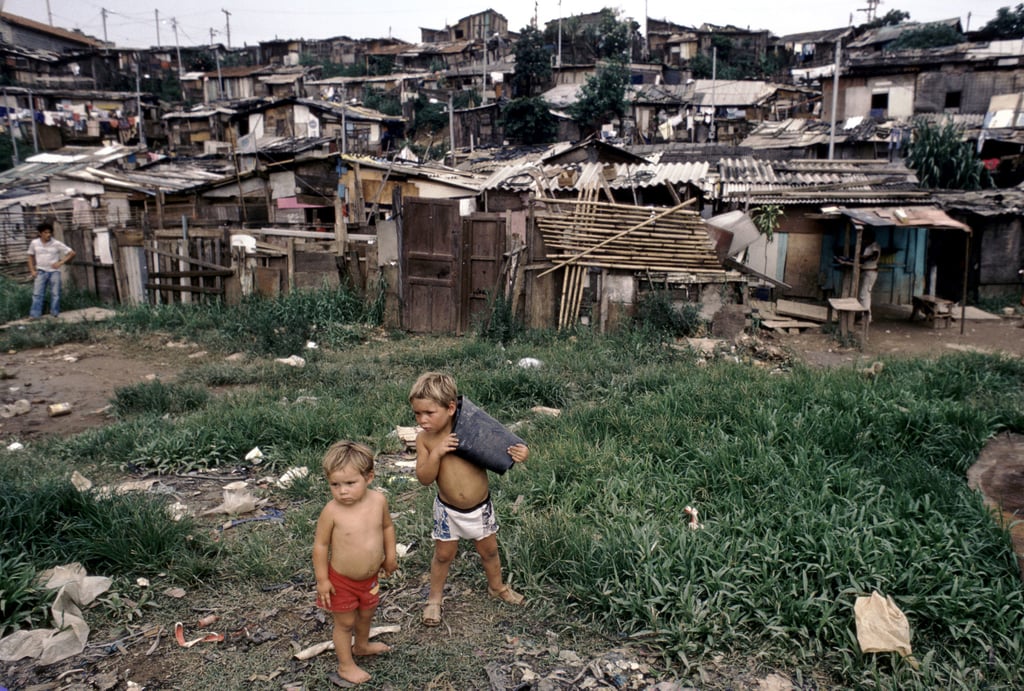
Starting small I was born prematurely, at six-and-a-half months, in the slums of São Paulo, in southeast Brazil, and was extremely lucky to survive. My father was a truck driver, and my mother looked after us six kids – I was the youngest – so with eight mouths to feed there wasn’t a lot of money left over at the end of the week.
I grew up small, skinny and extremely helpless in the sort of neighbourhood where I would have been at a disadvantage even if I’d been relatively healthy, but somehow I managed to fight the odds and survive. I did OK at school; I always used to have a big smile on my face and that helped me win a lot of friends.
New course Everything changed – and by that I mean the whole direction of my life and its meaning – when I was nine years old. It wasn’t so much a case of my getting into capoeira, Brazil’s signature martial art, as capoeira getting into me. I was taken up by one of the city’s top capoeira practitioners, Mestre Big Dinho, and he taught me my first ginga, which is the fundamental footwork that looks more like a rhythmic dance step than an orthodox fighting stance.
Capoeira’s been at the centre of my existence ever since. I’m 54 years old now and a mestre (master) myself, one of just five in the Grupo Axé Capoeira, which is the premier organisation teaching the martial art.
Cultural legacy Capoeira is a fully fledged martial art, but it started out as a way for slaves in Brazil to defend themselves, to react quickly and avoid being hit, as well as training them to trip and kick. It was disguised as a dance, which is how it came to be accompanied by music. Brazil abolished slavery back in the 1880s, but capoeira has endured, and Unesco recognised it as part of the country’s unique cultural heritage.