Then & NowHong Kong has made participation in politics pointless, in a new version of the ‘old normal’ under British colonial rule
- Hong Kong is inexorably returning to an earlier time, somewhere before the first tentative attempts at local government elections were held in the early 1950s
- What now remains in public life, after the ‘troublemakers’ have been stripped away? Holders of dubious university ‘degrees’, rural ‘fixers’ and wealthy scions

In these strange, unsettling times, various public commentators have taken it upon themselves to crow triumphantly that Hong Kong and its people are finally going back to what – in their otherwise historically illiterate minds – the place always did best; shut up, make money, consume vacuously and conspicuously, and then get out (if one wishes) and enjoy an afterlife elsewhere, while there are still a few good miles left on life’s odometer.
For much of Hong Kong’s urban history, this grim observation was a fair one, for most residents, in particular the Chinese population who – until recent decades – were overwhelmingly sojourners who regarded their time in Hong Kong as transient, even for an entire lifetime.
Cold realism played a role; when opportunities for participation in public life were – by design – non-existent for the overwhelming majority, there were clearly better things to do with one’s time and energies than play pointless games of political charades. For almost everyone else, the basic struggle for existence was paramount; those who remained a few rice bowls ahead of hunger were life’s fortunate folk.
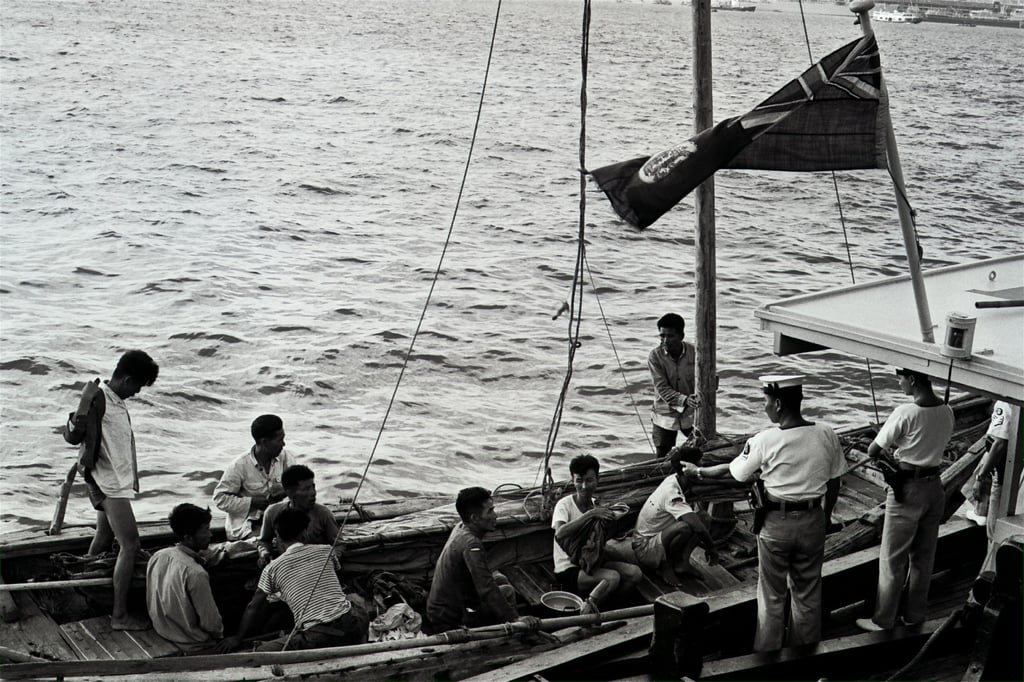
In the post-war era, large-scale refugee movement from mainland China diluted and transformed Hong Kong society. Those who had voted with their feet against vicious political campaigns wanted nothing more than to live their lives in peace. Hong Kong became a way station, with much that reflected this temporary, “this-will-do-for-now” mindset.