Then & NowEdwardian English is alive and well in the memos Hong Kong civil servants draft
- Hong Kong administrators are taught English usage so arcane one might think it a parody. It’s bad enough on paper; when speaking they sound constipated
- In earlier times people didn’t expect much from their appointed ‘representatives’ and so the latter’s pompous civic sentiments rarely left them disappointed

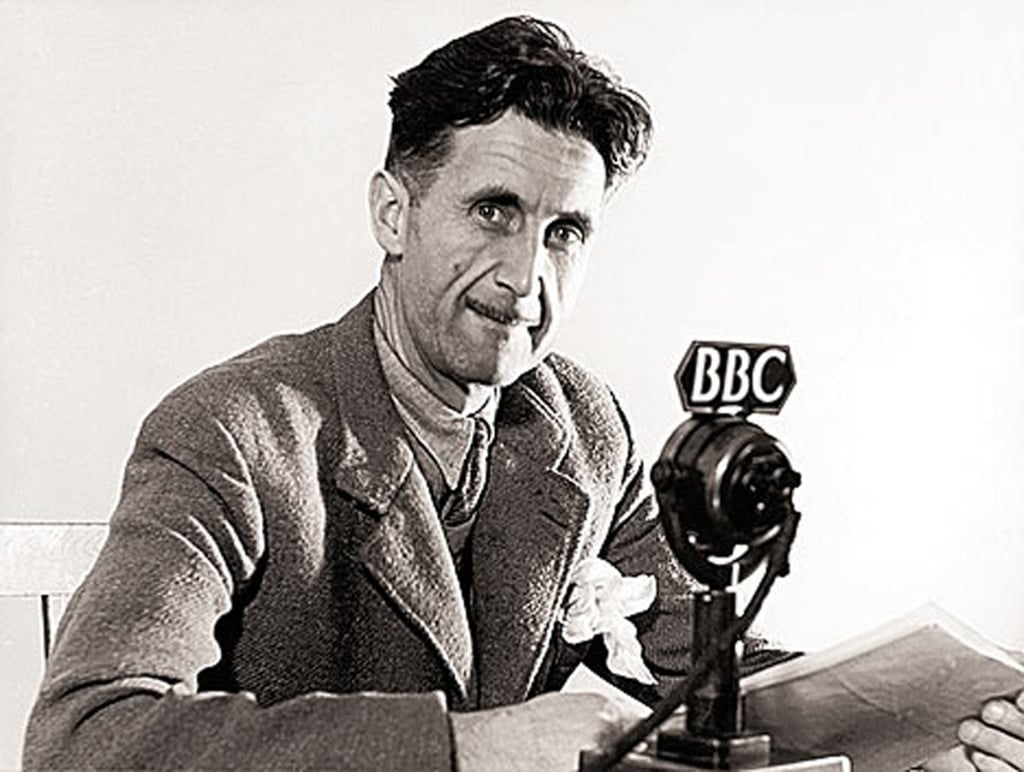
As George Orwell memorably wrote in his essay Politics and the English Language (1946), “If thought corrupts language, language can also corrupt thought”; this shrewd observation remains as starkly true in contemporary Hong Kong as in post-war Britain.
As dummies across Hong Kong’s political and administrative spectrum scramble to master their new ventriloquist’s language, squirm-making linguistic contortions are hilariously evident – or at least, they remain entertaining to those able to see the gallows humour that underpins various chilling present-day political realities.
But how did this ventriloquism appear in the past, when the actual language deployed by an earlier generation of ciphers in Hong Kong’s public life – English – was not merely unfamiliar, but foreign as well? Like everything else, from clothing and pastimes to patterns of thought, forms of language used were directly borrowed – or else carefully mimicked – from those in power.
Legislative Council Hansard reports, and other records of public speeches from a century ago, invariably reveal aldermanic turns of phrase and pompous civic sentiments that would not have been out of place in Leeds or Liverpool. In an earlier Hong Kong, most people didn’t expect much from their appointed “representatives”; when a low bar for expectations is firmly set from the outset, and then given no realistic cause for revision over time, the verbal antics of others rarely disappoint.
Other emotions come into play – disgust, dismay, resignation, despair – but not disappointment, which seldom arises when little is expected to begin with.
Arcane usages from earlier times tenaciously remain in other areas of Hong Kong life. Astonishing though it may seem, local civil servants still attend English-language memo-drafting courses in which writing style and general usages remain firmly anchored several decades before the 1997 handover.