Then & NowEurope’s obsession with Chinese flowers through the centuries, and how a portable greenhouse transformed the intercontinental plant trade
- Shipping Chinese plants like chrysanthemums and azaleas to Europe became big business in the 1800s, but many flowers died at sea from saltwater exposure
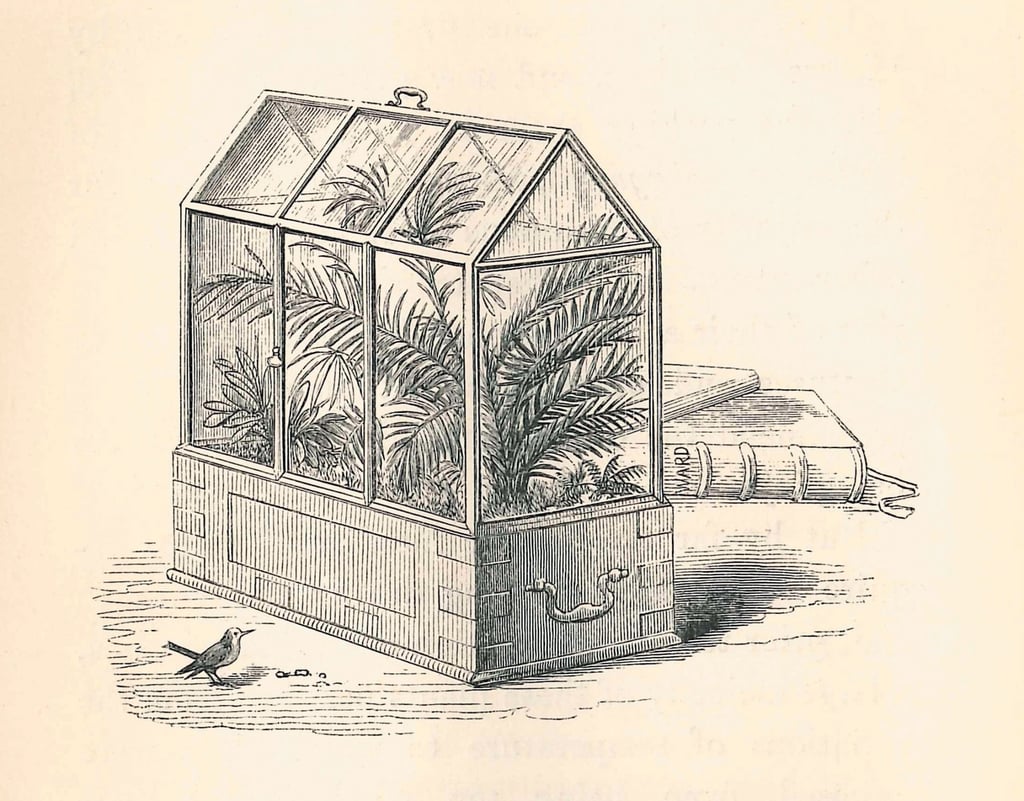
- This changed with the invention of an early terrarium that shielded flowers from the elements, in a new age of successful plant transport that continues today

Among the most unexpected exports from China to Europe in the late 18th and throughout the early 19th centuries were live plants destined for botanical gardens and burgeoning numbers of private horticultural collectors.
Wealthy Chinese merchants in early 19th-century Canton – now Guangzhou – who were then among the richest men in the world, had standing contracts with local nurseries to supply their homes with a wide variety of flowering plants throughout the year.
Plants at the time considered rare and unusual by Western standards were sent to Europe, and those that survived the lengthy sea voyage became prized collector’s items. Demand for new varieties steadily grew among botanical connoisseurs.
In time, recognition grew among businessmen that the transport of exotic plants from China to emergent European markets was potentially profitable. Plants were packed in wooden cases with span roofs, which would be unscrewed and removed in fine weather to allow exposure to sunlight and fresh air.
In common with anything horticultural-related, extensive experimentation and trial-and-error methods prevailed, particularly for unfamiliar species.