
The story of gin, from its Dutch roots via London Gin to the gin and tonic, invented in British India to mask the bitter taste of anti-malaria medicine
- Dutch distillers called the drink genever, from the juniper berries that flavoured it. When a craze for the drink hit London, its name became a monosyllable
- The gin and tonic was created by army officers in British India to mask the bitter taste of anti-malaria medicine, then embraced by social drinkers everywhere

Gin is a colourless alcoholic spirit of about 40 per cent alcohol by volume, which is distilled from grain or malt, and is primarily flavoured with juniper berries – as is required by law for it to be considered gin – as well as a variety of herbs and spices.
It is indeed from the berries that gin gets its name. With probable origins in liquors produced in the Middle Ages – such as a spirit attested in a 13th century Flemish manuscript – this highly flavoured aromatic drink was, by the late 16th century, being produced on a wide scale by Dutch distillers.
This was genever, Dutch for “juniper”, derived via the Old French genevre, from the Latin juniperus.
In the late 17th and early 18th centuries, the drink made its way across the channel to England, where its name became clipped to how we know it in English.
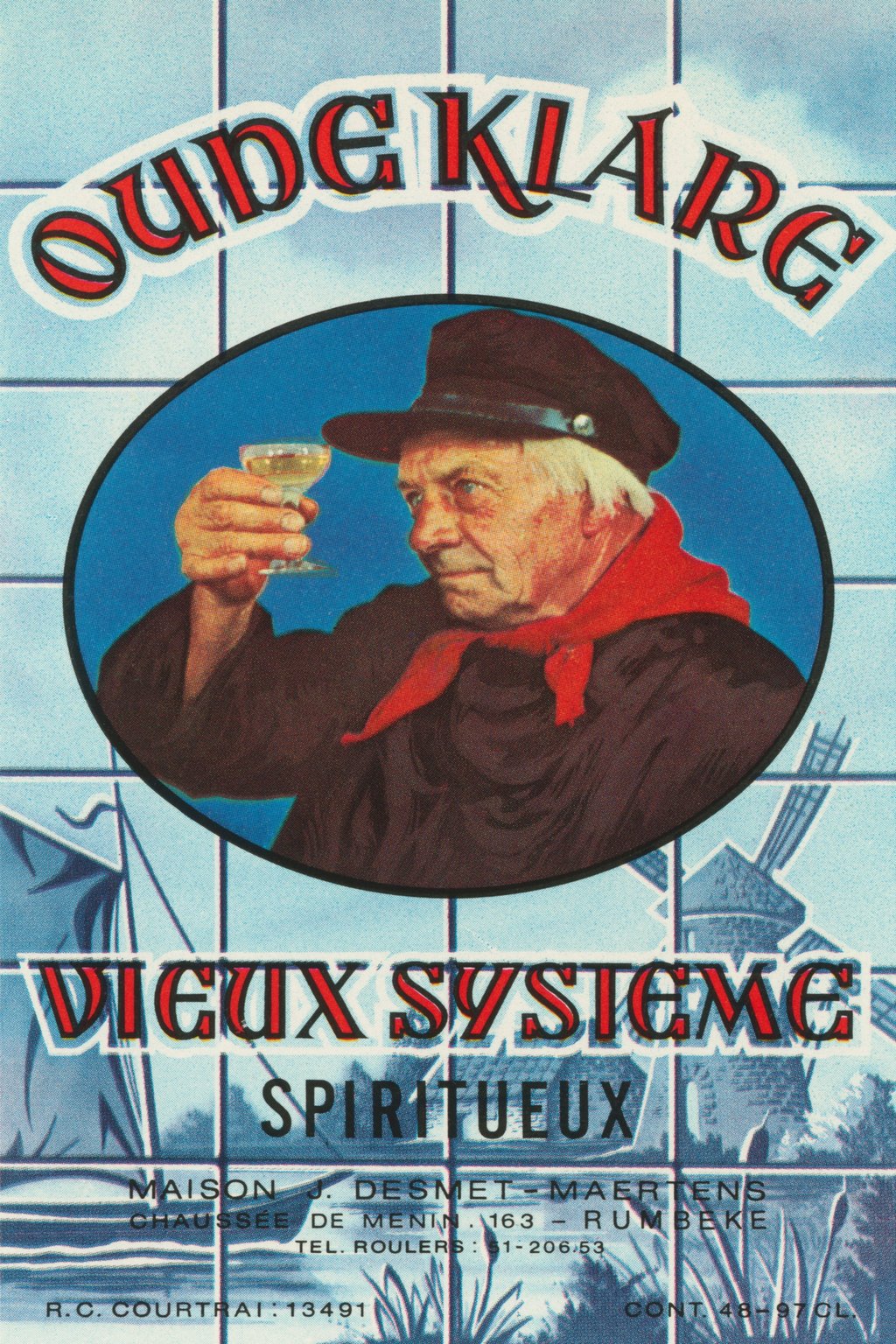
Anglo-Dutch philosopher Bernard Mandeville observed in the early 18th century: “The infamous Liquor, the name of which deriv’d from Juniper-Berries in Dutch, is now, by frequent use […] from a word of midling length shrunk into a Monosyllable, Intoxicating Gin.”
A “Gin Craze” arose: poet and satirist Alexander Pope’s 1738 account of Hanoverian England describes “[a] spirituous liquor, the exorbitant use of which had almost destroyed the lowest rank of the People till it was restrained by an act of Parliament in 1736”.