16 women who changed Chinese art
A new book by American writer Michelle Vosper, the Asian Cultural Council’s former Hong Kong director, pays tribute to groundbreaking woman artists from China, Hong Kong, Taiwan and Macau

In 1901, an already-famous book became the first American novel to be translated into Chinese. It had a man’s name in its title – Uncle Tom’s Cabin – and the translator, Lin Shu, was also male. It was written, however, by a woman: Harriet Beecher Stowe.
This unhelpful fact caused a few problems for Stowe’s Chinese biographers. After all, wasn’t it well known that, “a woman without talent is a woman of virtue”?
American writer Michelle Vosper quotes that remarkable Chinese saying in the introduction to her book, Creating Across Cultures – Women in the Arts from China, Hong Kong, Macau and Taiwan (2017). It’s a collection of stories about women who, at least in the eyes of the Asian Cultural Council (ACC), have the virtue of being talented. The ACC, which was established in New York in 1963 by John D. Rockefeller III, has awarded fellowships to all of them.
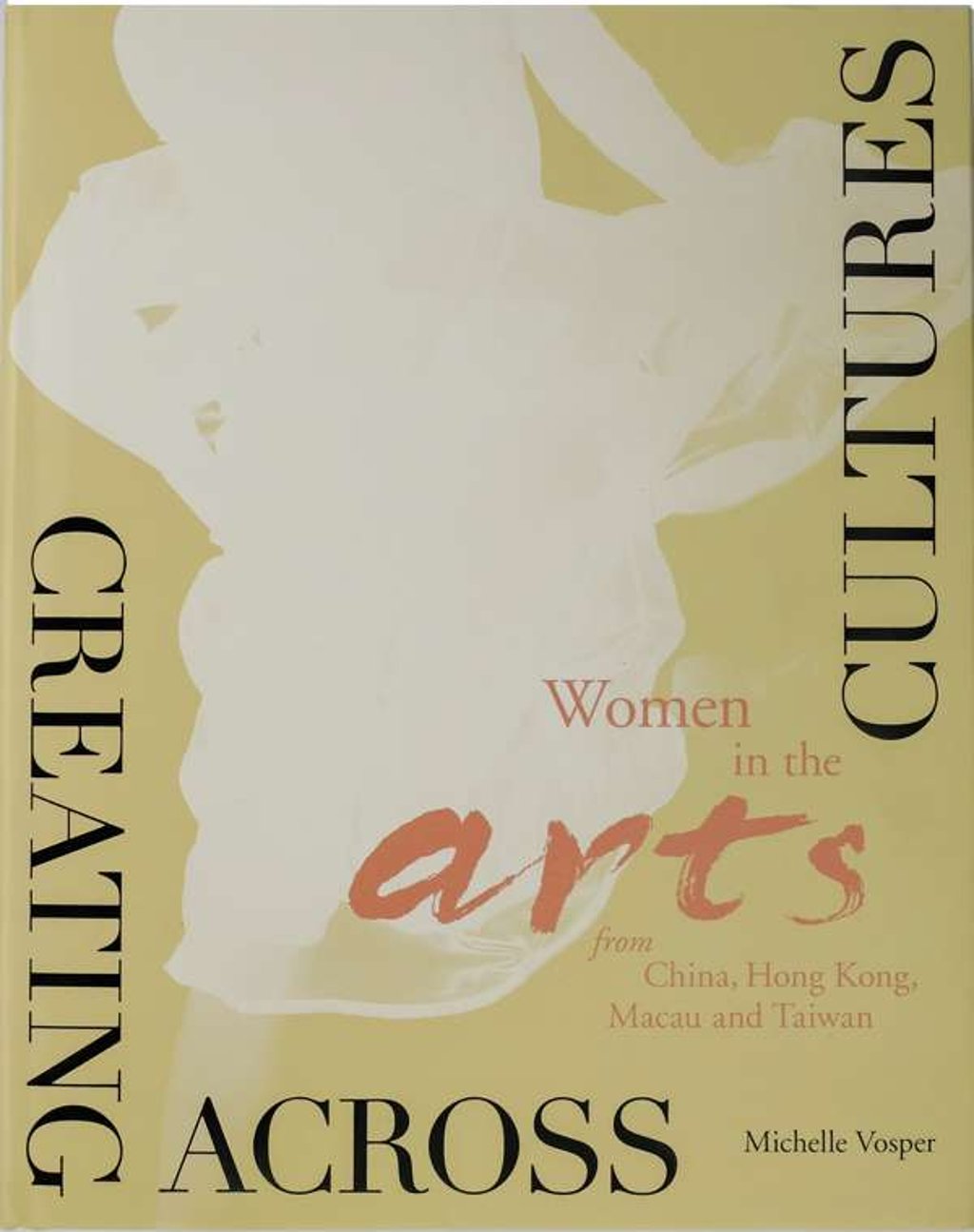
Originally, she was going to include men. “But what I found is there’s a lot of information on them,” she says, in the ACC’s office in Sheung Wan, in Hong Kong’s Central & Western district, a few days before the book’s launch on March 8, International Women’s Day. “The men are already out there! The women are nowhere.”
Her initial concerns that some high-flying women might be reluctant to be included in a book confined to their own sex were dispelled. “They don’t see it as a demotion or a smaller category, they see it as interesting – a thread holding them together.”