What does the postman have to do with why the Hong Kong festival has so few films from China
Using draconian new law, Chinese leadership appears intent on stopping any films cadres haven’t licensed being shown outside China, plugging loopholes independent-minded filmmakers had previously exploited

In a recent post on his Weibo account, filmmaker Xu Xin lambasted authorities in China for the lengths he had to go in order to mail a DVD abroad. He was asked to have the local police station or residents’ committee certify the disc did not contain subversive, pornographic or vulgar material, Xu says.
He didn’t say what was on the DVD or whether he managed to send it, but he asked how all these officials – police officers, low-level cadres, state-employed postal workers – had the time and ability to adjudicate and approve of all the discs (and flash drives) being dropped into the mail every day.
With the advent of the internet, of course, films can be more readily sent in the form of links and files than as shiny discs. Still, the draconian mail vetting may be the epitome of the central government’s intent to regulate cultural exports – and, specifically, those from articulate artists and independent-minded intellectuals like Xu, whose documentaries have received critical acclaim worldwide but have remained mostly unreleased and unseen in China.
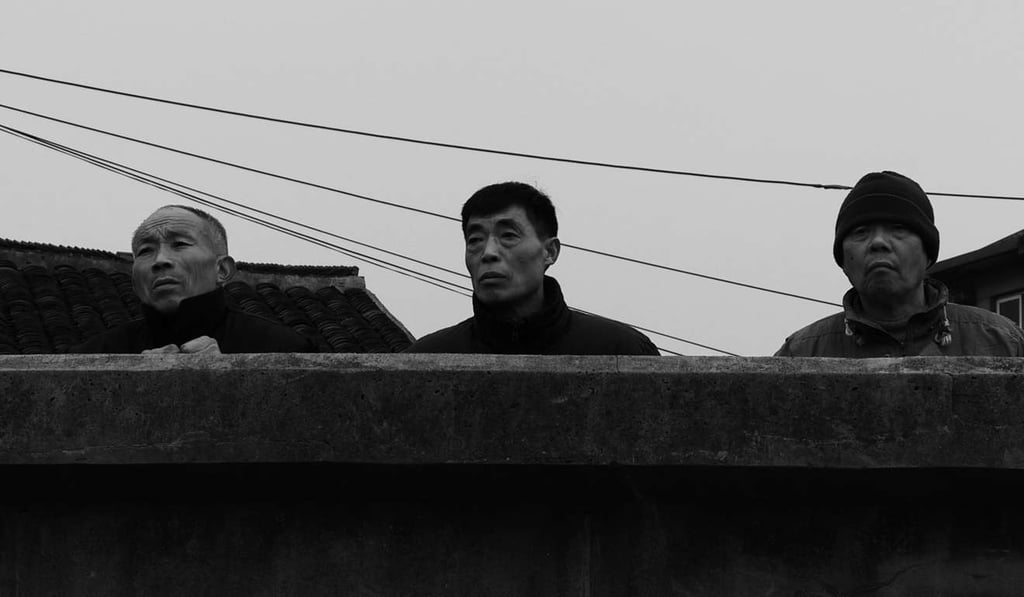
Xu, who is now better known in China for his bold and acerbic social media posts about official wrongdoing and social injustice, first showed his anti-establishment streak in 2010 with the production of six-hour black-and-white documentary Karamay.About a fire at a theatre in Xinjiang in 1994, in which hundreds of schoolchildren died because cadres chose to usher party officials out of the venue first, the film allowed the victims’ parents to finally vent their grievances after years of suppression by the state.