
The CollectorRichard Streitmatter-Tran wants to bridge the gap between traditional and contemporary Vietnamese art
Streitmatter-Tran’s exhibition in Wong Chuk Hang also includes works by painters from Vietnam who chose to live in Paris in the 1930s. Plus: Fung Ming Chip takes a darker turn with new sculptural works

At Sotheby’s April auctions, Le Pho’s Family Life (1937-39) was sold for HK$9.1 million (including buyer’s premium), making it the first Vietnamese painting to break the US$1-million line at auction. That the value of Vietnamese art should go up shouldn’t be a surprise. The country has consistently ranked among the fastest growing economies in the world in recent years, even as the government worries it won’t meet its 6.7 per cent growth target this year. And when a country gets richer, the market value of its art rises.
But Vietnam still lags behind other Southeast Asian countries in that respect, considering it has been 31 years since Doi Moi (Vietnam’s equivalent to Deng Xiaoping’s open-door reforms) was initiated. By comparison, the Philippines saw its first painting auctioned for more than US$1 million in 2011 – contemporary artist Ronald Ventura’s Grayground (2011).
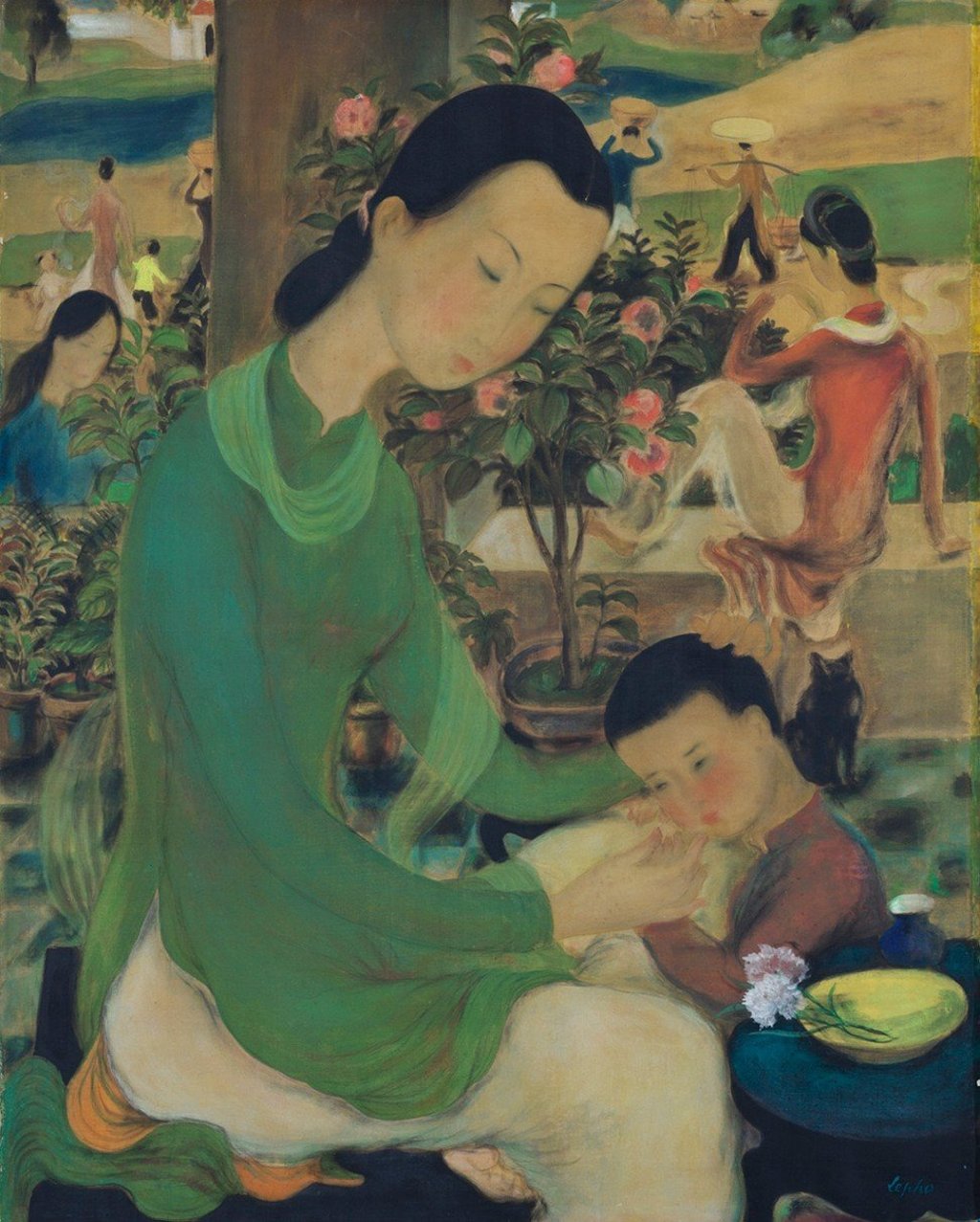
There are numerous theories out there. For older Vietnamese paintings, provenance could be a challenge, partly because museums commissioned copies of important works as a safeguard during the Vietnam war. The local contemporary art ecosystem and collectors circles remain immature, which means a lack of international exposure for those Vietnamese artists not based outside the country, like Danh Vo and Dinh Q. Le.
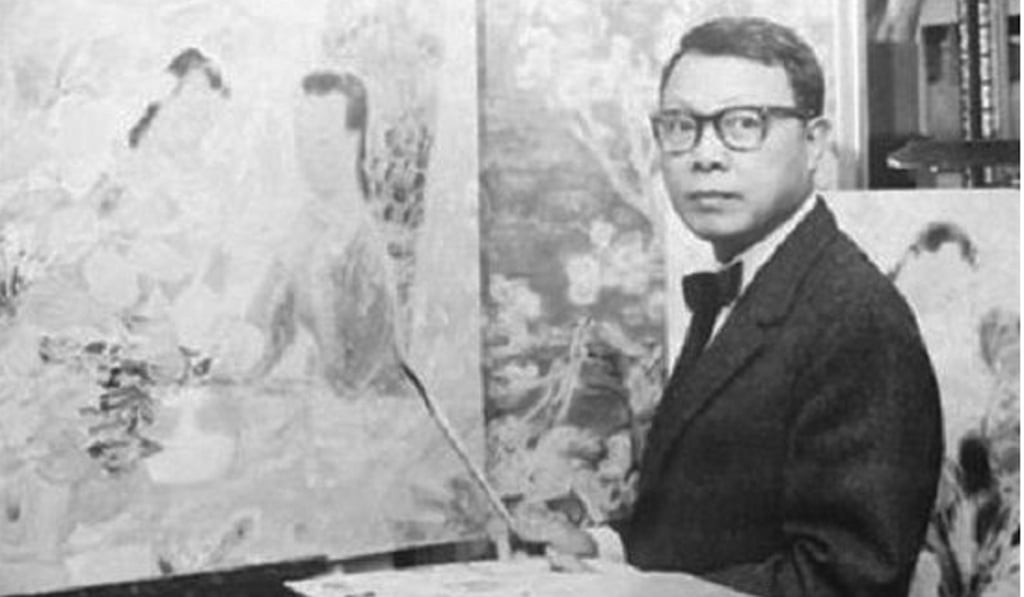
And so the market focuses on established names such as Le Pho (1907-2001). His was a generation that grew up with French rule and attended the École Supérieure des Beaux Arts de l’Indochine in Hanoi, under the founding director Victor Tardieu. Le Pho and fellow art students Mai Trung Thu, Vu Cao Dam and Le Thi Luu all settled in Paris in the 1930s and merged their country’s folk tradition with Western training to create poetic, nostalgic images of Vietnam and its people. Painting on silk was the favoured medium, another nod to tradition. Such paintings showed the reimagined past of these exiled artists, and now they seem even more remote.