Flashback: L’Atalante (1934) – Jean Vigo’s romantic classic an undisputed landmark of French cinema
The rediscovered romance/drama/comedy is a landmark of the genre

Life bursts forcefully from the screen in French director Jean Vigo’s 1934 film L’Atalante. Often quoted by critics as the apotheosis of film art, it is a fascinating blend of realism and unbounded flights of the imagination. Anticipating the future developments of cinematic art in about 88 minutes (the length varies in different prints), the classic contains romance, comedy, drama, pathos, startling moments, exuberance and even musical sequences, but remains homogenous throughout.
L’Atalante was Vigo’s only full-length feature, coming soon after 1933’s controversial short Zero de Conduite. Sadly, it was also his last – the director contracted tuberculosis near the end of shooting, and died the year of the film’s release, at the age of 29.
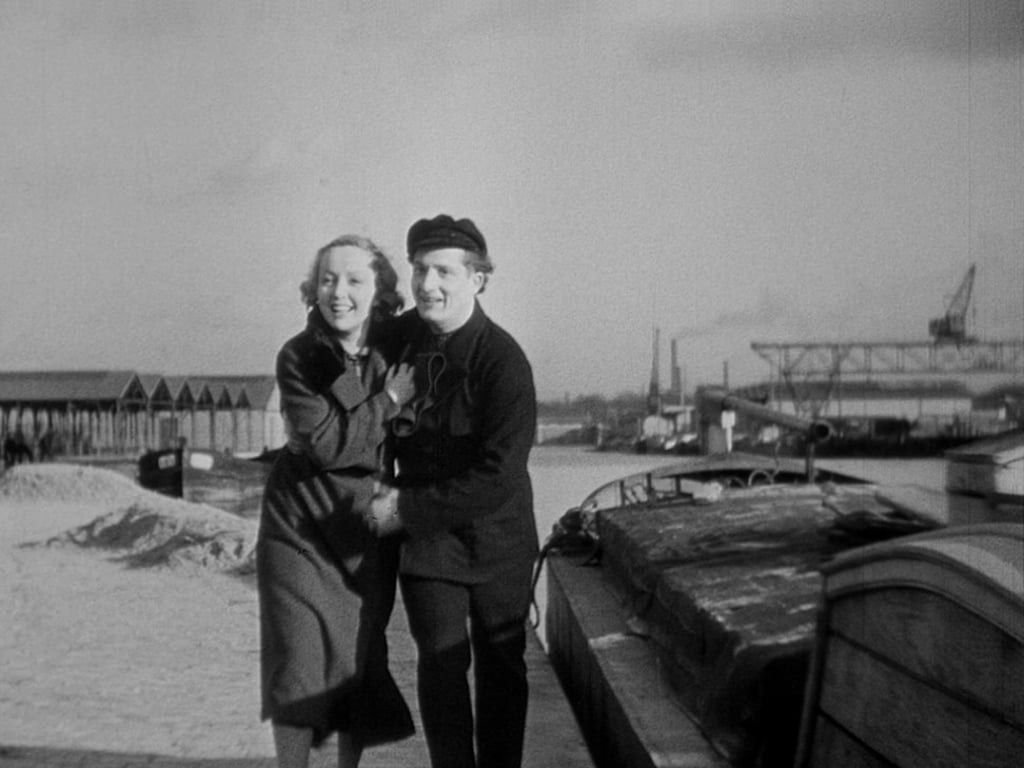
The film focuses on the difficulties of the early years of marriage, with drama arising when Juliette flirts with a peddler in a bar and is abandoned by a jealous Jean, who sets sail without her. It’s left to the good-natured Jules to find Juliette and reunite the two lovers.
Flashback: A Night at the Opera (1935) – Marx Brothers’ anarchic MGM comedy
As with the films of Orson Welles, the production and release of L’Atalante were fraught with difficulties. Vigo had made a strong impression with Zero de Conduite, but its criticism of the French educational system had led to a government ban.