The CollectorNice, not Andy Warhol, was top for pop art, Le French May show suggests
French Riviera city’s pioneering artists were years ahead of Warhol and his peers, exhibition in Hong Kong would have us believe

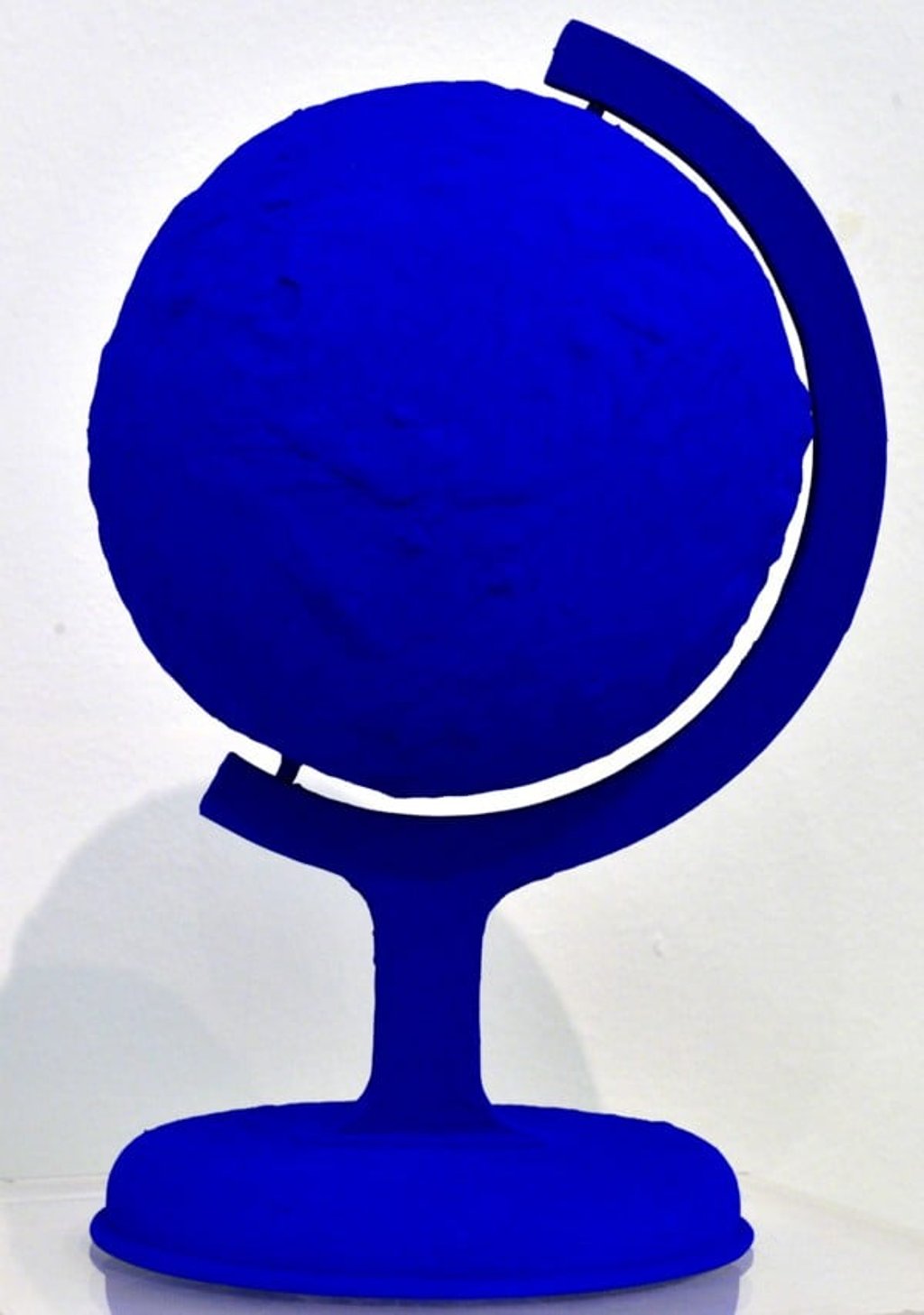
When considering early pop art, most people would not automatically think of France, let alone a single French city. But according to a new exhibition in Hong Kong, a group of artists in Nice were converting household objects into art well before Andy Warhol turned his attention to soup cans and Brillo pad boxes.
“School of Nice – From Pop Art to Happenings” is part of this year’s Le French May Arts Festival, the annual, weeks-long celebration of French culture in Hong Kong and Macau. It features 100 pieces that have come mostly from the Museum of Modern and Contemporary Art (Mamac) in the French Riviera city, the adopted hometown of Henri Matisse, which conjures up visions of luxury yachts bobbing on azure seas in Mediterranean sunlight.
The show reveals that Nice also served as a backdrop to the so-called New Realist school, the equivalent of the Anglo-Saxon world’s pop art.
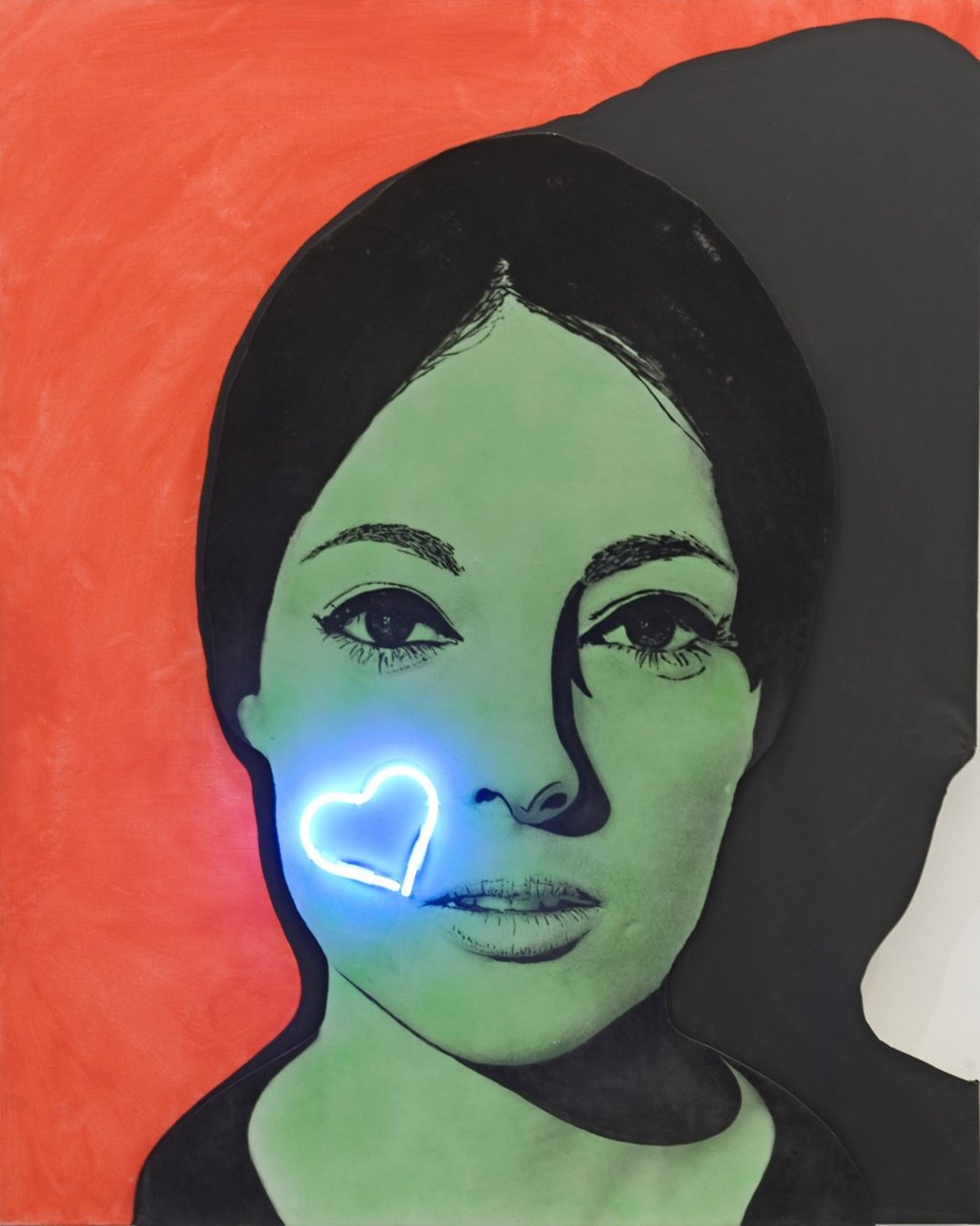
It was the time of the New Wave movement in film, too, and avant-garde artists were similarly eager to close the gap between “fine art” and real life.